ABA: SOUTHEASTERN NIGERIA'S COMMERCIAL HEARTLAND
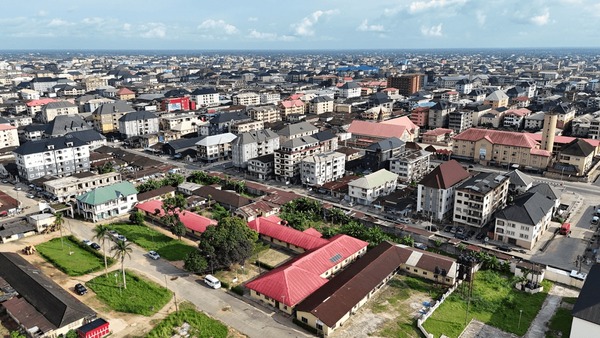
Aba is a vibrant city of approximately 1.16 million people located in Abia State in southeastern Nigeria. Known as a major commercial and manufacturing hub, Aba pulses with entrepreneurial energy and sits at the crossroads of major regional trade routes. For visitors and residents alike, the city offers a compelling portrait of contemporary Nigerian urban life, where business acumen, cultural pride, and community spirit intersect.
GEOGRAPHY AND LOCATION
Aba is positioned at coordinates 5.10658N, 7.36667E in the southeastern part of Nigeria, situated at an elevation of 64 metres above sea level. The city lies along the west bank of the Aba River, a geographical feature that has historically shaped settlement patterns and commerce in the region. This riverine location is significant; the waterway has historically facilitated trade and transportation, though the modern city's importance now derives largely from road connectivity rather than water transport.
The city's strategic position as an intersection point for regional roads makes it a natural meeting place for commerce and travel. Major routes connecting Aba to Port Harcourt, Owerri, Umuahia, Ikot Ekpene, and Ikot-Abasi converge here, making the city a logical hub for traders, manufacturers, and travellers moving through southeastern Nigeria. This connectivity has been instrumental in establishing Aba's role as a commercial centre, and it remains true today that the city functions as a vital node in the region's economic network.
HISTORY AND HERITAGE
Aba has a recorded history as a commercial settlement, and this heritage remains central to its identity. The city evolved from a small trading post into a significant economic centre, a trajectory driven by the entrepreneurial spirit of its people and its advantageous location. The transformation of Aba reflects broader patterns of urbanisation and economic development in southeastern Nigeria, though the city has carved out its own distinctive character in the process.
The manufacturing and trading sectors have deep roots in Aba's story. The city became known for production of goods ranging from textiles to leather products to footwear, with many enterprises operating at small-to-medium scale and driving significant local employment. This industrial character remains visible in the city's landscape and continues to define much of daily life. Understanding Aba means recognising it as fundamentally a working city, where production, commerce, and trade are not abstract concepts but visible, tangible activities woven into the urban fabric.
WHAT TO SEE AND DO
Visiting Aba offers opportunities to experience genuine urban Nigeria away from the most well-trodden tourist routes. The city's character emerges most vividly through exploring its commercial districts, where workshops, retail spaces, and trading activities create a dynamic atmosphere. The energy of the market areas reflects the entrepreneurial vitality that has defined the city for generations.
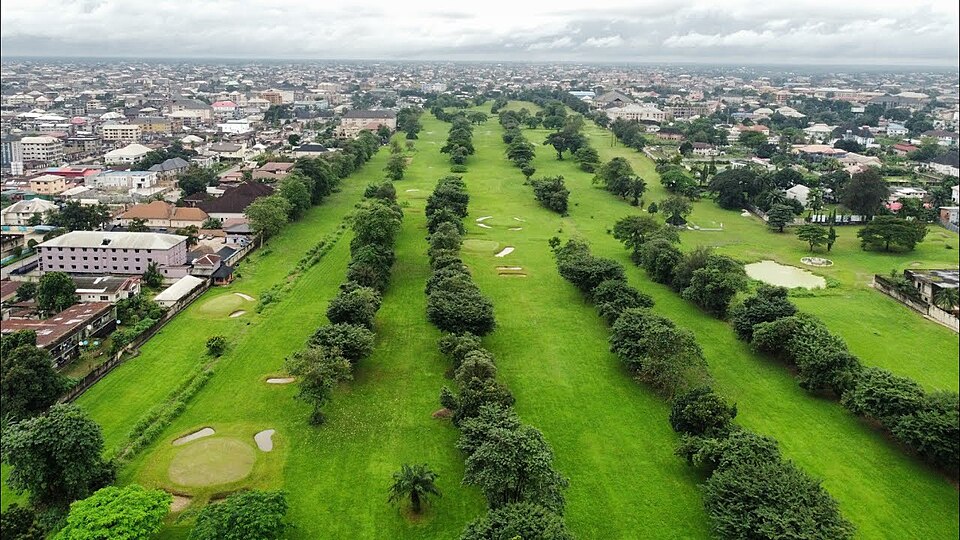
The Aba River itself remains a geographical feature of interest, providing respite from the intensity of the urban centre. The natural landscape of Abia State around Aba includes vegetation typical of southeastern Nigeria's tropical environment, and visitors interested in local ecology and landscape will find areas of interest both within and immediately surrounding the city. For those with an interest in manufacturing and production, observing the various industries that operate in and around Aba offers insight into small-scale Nigerian manufacturing. Cultural sites and community gathering spaces provide windows into local life and traditions. Engaging with the city's residents, visiting local markets, and experiencing the rhythm of daily commercial activity provide perhaps the most authentic and rewarding experiences for visitors interested in understanding contemporary Nigeria.
GETTING THERE AND AROUND
Aba's position at the intersection of major regional roads makes it accessible by road from Port Harcourt, Owerri, Umuahia, and other nearby cities. Road travel is the primary means of reaching Aba for most visitors and residents. Within the city, transportation options include commercial vehicles, motorcycles, and private cars. Like many Nigerian cities, Aba's road network can be congested during peak hours, and road conditions vary. Visitors should plan journeys with adequate time and be prepared for typical urban traffic patterns. For those arriving from further afield, Port Harcourt, with its airport and port facilities, is the nearest major transportation hub, located west of Aba along existing road routes.
LOCAL LIFE
For the people who call Aba home, the city is fundamentally defined by commerce and manufacturing. The informal economy is particularly significant, with countless small enterprises, workshops, and trading operations providing livelihoods for a substantial portion of the population. This economic character shapes the rhythm of daily life; business hours are often irregular and extended, reflecting the entrepreneurial nature of much activity. The city attracts traders, manufacturers, and businesspeople from across Nigeria and beyond, creating a cosmopolitan environment despite its regional location. Community networks, trade associations, and informal business groupings form the backbone of social and economic organisation. For residents, Aba represents opportunity and the possibility of building successful enterprises, which explains both the city's ongoing growth and its appeal as a destination for those seeking economic advancement.
PRACTICAL INFORMATION
Aba is home to approximately 1,160,000 people, making it a substantial city by Nigerian standards. The city operates on West Africa Time, Africa/Lagos timezone. Its elevation of 64 metres above sea level places it in the low-lying terrain typical of southeastern Nigeria. The city experiences a tropical climate with distinct wet and dry seasons. Visitors should plan visits with awareness of seasonal rainfall patterns and should carry appropriate clothing and supplies. As with travel anywhere in Nigeria, visitors should remain informed about current conditions and exercise standard travel precautions. The warmth and hospitality of Aba's residents, combined with its genuine character as a working commercial city, make it a distinctive and rewarding destination for those seeking to experience authentic contemporary Nigeria.