In This Guide
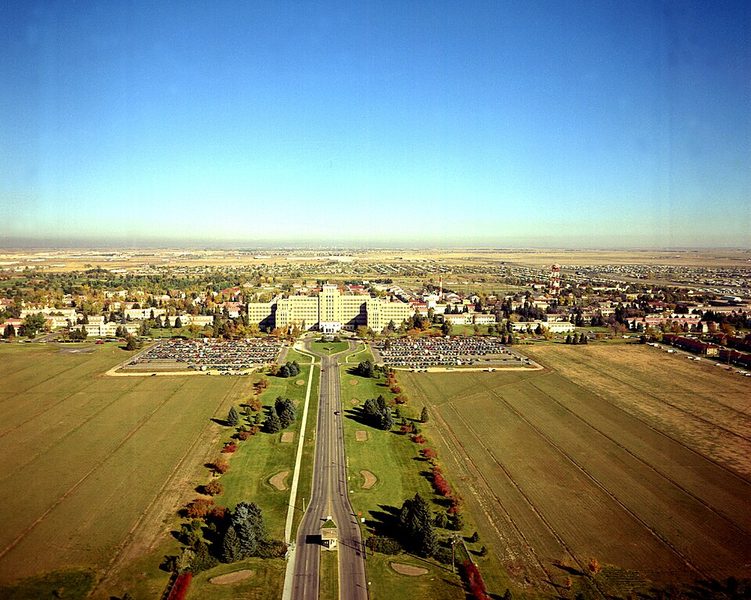
Aurora is Colorado's third-most-populous city and the 51st-largest in the United States, yet it carries that scale with little fanfare. Positioned on the high plains at the eastern edge of the Denver metro, it spreads across three counties — Arapahoe, Adams and Douglas — with wide roads, open sky and the Front Range visible on clear days across the western horizon. It is not a city built for short visits; it is a place where people live, work and put down roots, and the visitor experience is shaped by that fact.
What distinguishes Aurora from many comparable cities in the American West is its cultural makeup. Often ranked as the most diverse city in Colorado, Aurora has for decades attracted immigrants and refugee communities from across the world. That diversity is visible in its restaurant corridors, its community organisations and its annual events — and it gives the city a character that sets it apart from the surrounding metro area.
Setting and Orientation
Aurora occupies a wide stretch of the Colorado high plains at roughly 1,600 metres above sea level, part of the Front Range Urban Corridor that links Fort Collins to Pueblo along the eastern slope of the Rockies. The city's urban form is horizontal and car-oriented — a product of post-war development patterns — so arriving visitors should expect suburbs rather than a dense walkable core. The mountains to the west are genuinely visible from much of the city on clear days, which are frequent on the plains.
The city spans three counties, which produces an unusual administrative geography: local services, school districts and even some tax structures differ depending on which part of Aurora a visitor is in. For practical purposes, most points of visitor interest sit within Arapahoe County, which contains the largest share of the population.
Denver International Airport lies to the north and is accessible from Aurora, making the city a practical base for travellers arriving by air. The Regional Transportation District (RTD) operates light rail connections into Aurora: the R Line runs through the city and connects to the A Line at Peoria Station, from which the University of Colorado A Line provides a direct link to Denver International Airport. The H Line connects Aurora to central Denver. For many journeys within and beyond Aurora, however, a car or rideshare remains the more practical option.
A City Shaped by Migration
Aurora's identity is inseparable from immigration. The city has consistently attracted newcomers — first through the post-war expansion of defence and aerospace industries along the Front Range, and more recently through the settlement of refugee and immigrant communities from Africa, Asia, Latin America and beyond. The result is a city where, as the Sentinel Colorado has reported, tens of thousands of immigrants make up a significant share of the community.
That demographic reality is most tangible along the city's restaurant corridors, where visitors can find food from across six continents within a few miles. It is also reflected in the city's annual Global Fest, a daytime community festival that features a Parade of Nations, international music and dance performances, food trucks, an international marketplace and a fashion show. The event has been held in August in recent years; visitors should check the city's events calendar for current scheduling. The city's separate Aurora Fest event has similarly featured a Parade of Nations alongside food vendors, live performance and cultural showcases.
Stanley Marketplace
One of Aurora's most distinctive visitor destinations is the Stanley Marketplace, a converted former aviation manufacturing plant at 2501 Dallas Street. The building originally housed Stanley Aviation, which at its peak in the 1950s was the largest employer in Aurora, producing ejection seats for the military. The plant was subsequently repurposed and opened as a marketplace in 2016, and now houses more than 50 locally owned Colorado businesses — restaurants, food stalls, fitness studios, retail shops and creative spaces — within a 75,000-square-foot structure. It functions as a community hub as much as a retail destination, and is one of the more concrete examples of Aurora's independent business culture.
Outdoor Access
Aurora's most significant outdoor destination is Cherry Creek State Park, located at 4201 South Parker Road. The 4,000-acre park is anchored by an 880-acre reservoir and open year-round. Facilities include over 130 campsites, swimming areas, hiking trails, horseback riding, boating and a large off-leash dog area. The park is managed by Colorado Parks and Wildlife and sits within easy reach of the city centre.
Aurora Reservoir, separately managed by the city, is one of Aurora's larger open-space sites and covers over 800 acres of water surface. Both reservoirs offer water-based recreation and are popular with local residents through the summer months. Visitors planning active time outdoors should be aware that Aurora's elevation — above 1,600 metres — means acclimatisation is advisable for those arriving from sea level, particularly before undertaking strenuous activities.
Practical Information
Aurora operates on Mountain Time (UTC−7 in summer, UTC−6 in winter). Summers on the Front Range bring intense afternoon thunderstorms that can develop quickly; carry rain gear if planning outdoor activities in the afternoon between June and August. Winters are variable — often mild by mountain standards but occasionally harsh — and conditions can change rapidly.
The city's elevation means visitors arriving from lower altitudes should allow a day or two for acclimatisation, especially if physical activity is planned. Altitude-related symptoms — headaches, fatigue, mild breathlessness — are common among new arrivals and generally resolve within a couple of days.
The UK Foreign, Commonwealth and Development Office currently maintains Level 1 (normal precautions) advice for travel to the United States, with no specific warnings relating to Aurora or the wider Denver region. International visitors should consult the UK FCDO guidance at gov.uk/foreign-travel-advice/usa or their own national travel authority. US travellers should check current entry requirements and advisories at travel.state.gov before departure.