


Austin is Texas's capital and a rapidly expanding city that has transformed itself from a quiet government town into one of the United States' most dynamic technology and creative centres. Sitting on the Colorado River with a current population of around 974,000 residents, it has become a magnet for people seeking work in innovation, entrepreneurship and media. The city carries an unusual identity—part state administrative hub, part university town, part innovation powerhouse—and that collision of purposes shapes what visitors and residents experience on the ground.
First Impressions and Setting
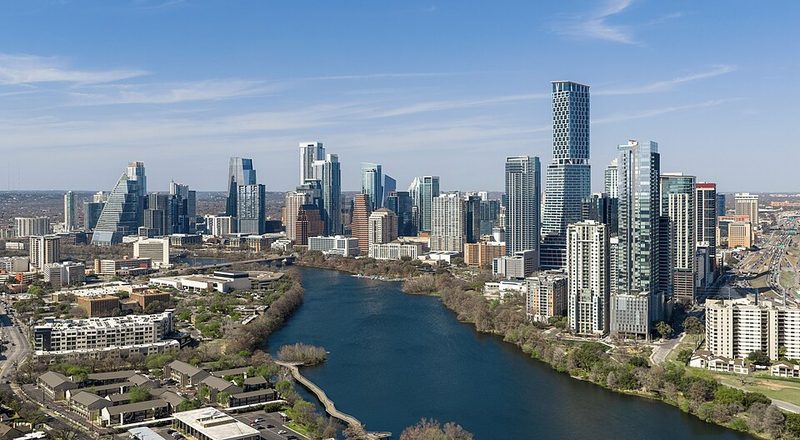
The landscape around Austin is defined by the Colorado River, which cuts through the city and has been a source of both opportunity and challenge throughout its development. The river is dammed in places to form Lady Bird Lake, a significant recreational feature where residents and visitors swim, paddle and walk. Beyond the urban core, the Barton Creek Greenbelt extends into natural parkland, offering accessible wilderness within reach of downtown streets. The elevation is modest—165 metres above sea level—and the terrain is relatively gentle, though the surrounding region can experience extremes in weather: severe drought years, flooding events and winter storms have all shaped how the city manages water and infrastructure. The city sits in the central Texas timezone and experiences hot summers and mild winters.
On arrival, the city feels contemporary and still expanding. Construction is visible everywhere, and the skyline has grown noticeably in recent decades. Downtown concentrates high-rise development, while neighbourhoods spread outward, many still undergoing transformation. The older districts retain character from earlier eras, but the overall visual impression is of a city in motion rather than settled into a fixed identity.
History, Identity and Local Stories
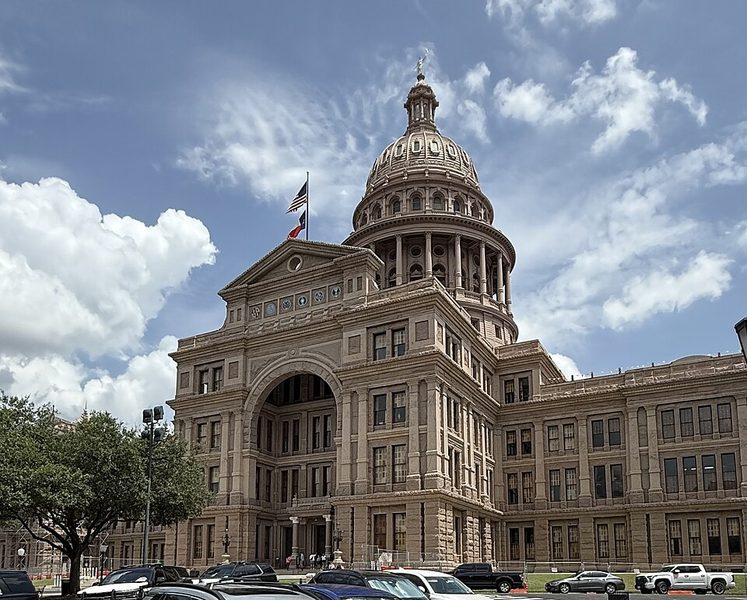
Austin was incorporated on 27 December 1839, making it a relatively young city by American standards. Its early identity was tied tightly to government—it was established as the state capital—and to the University of Texas, which was founded in 1883. For much of the twentieth century, until the Second World War and beyond, Austin remained fundamentally a government town. State government offices, the university and, after 1942, Bergstrom Air Force Base were the dominant employers. The city grew modestly and deliberately.
The transformation that followed the war was gradual but profound. Over roughly six decades, Austin shifted from economic dependence on government and education toward becoming an information technology and innovation centre. The Balcones Research Center, a University of Texas science facility established in northwest Austin, served as an early incubator for technology development. IBM's recruitment to the city in the 1950s-1980s era marked a critical turning point. Branch plants and technology companies followed, and by the late twentieth century, Austin had successfully rebranded itself as a centre for corporate headquarters, software development, semiconductors and advanced manufacturing. The 1985 economic challenges the city faced led to management changes and strategic refocusing, but the momentum toward diversified technology and creative industries continued.
This economic history is essential to understanding Austin today. It is not a city that inherited wealth or industry; it created a new identity for itself deliberately and over time. That narrative—of reinvention and forward momentum—is embedded in how the city sees itself.
Daily Life, Economy and Culture
Austin's current economy is built on multiple pillars. Information technology remains significant, but the city has developed expertise in aerospace and defence, biotechnology and life sciences, semiconductors, advanced manufacturing, clean technology, corporate operations, data management, financial services, and creative and digital media. This diversification was deliberate, pursued through active economic recruitment and development efforts that have been documented since at least the 1950s.
The University of Texas remains a major presence, with a student body of around 53,864 as of 2024, and the institution continues to shape both local culture and the workforce pipeline. More recently, Tesla's Gigafactory began operations in unincorporated Travis County just outside Austin, with initial vehicle deliveries in April 2022, representing another significant addition to the local manufacturing base.
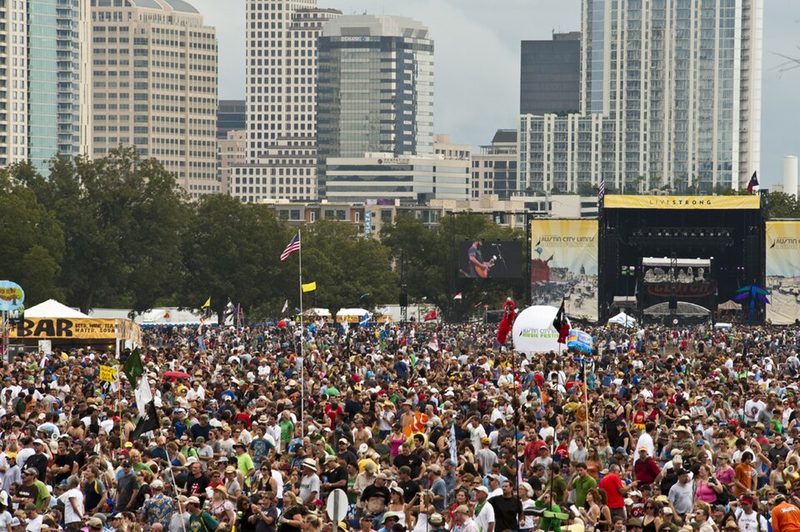
Culturally, Austin has evolved into a centre for music, film, theatre and media. The Austin City Limits Music Festival takes place in Zilker Park on two consecutive three-day weekends and draws visitors from across the region. The festival is inspired by the long-running KLRU/PBS music series Austin City Limits, which itself reflects the city's established relationship with live music. Breweries and food culture have become recognized elements of local identity. Beyond specific events and venues, museums, libraries and recreational amenities serve residents and visitors. The parks system is substantial, and swimming holes and natural water areas are part of how people use the landscape.
What Visitors Notice
Visitors arriving in Austin typically notice the visibility of water—Lady Bird Lake in particular gives the downtown area a public waterfront, and the Colorado River remains a constant geographic presence. The Barton Creek Greenbelt is accessible and offers a sense of natural landscape without requiring travel far from urban streets. Downtown is concentrated and walkable in parts, though the city's rapid expansion means sprawl is also visible.
The cultural calendar carries weight. The Austin City Limits Music Festival and the broader music scene are documented draws. The presence of the university creates an energy and a young demographic in certain neighbourhoods. The older districts retain some historic character, and the city has made efforts to preserve cultural heritage, though tensions between preservation and growth are evident.
Public libraries and museums exist throughout the city, offering points of interest and cultural engagement.
Recent History and Local Context
In recent years, Austin has experienced climate-related stress. A severe drought in 2011, flooding and water crisis events in 2018, and multiple winter storms in 2021 and 2023 have tested infrastructure and planning. The Colorado River and water management remain recurring issues for the city. These events reflect broader patterns of climate volatility that affect how the city functions and plans for the future. They are part of the lived experience of residing in or visiting Austin, not historical footnotes.
Getting There and Around
Austin is served by Austin-Bergstrom International Airport, which connects the city to major hubs and regional centres. Ground access details and local transport options should be checked with local authorities or visitor services, as bus terminals, highway routes and local transport systems are best confirmed directly. The city's size and continued growth mean transport infrastructure is evolving; current information will be more reliable than static descriptions.
Practical Notes
Austin's population continues to grow rapidly, making it one of the fastest-expanding large cities in the United States since 2010. This growth has effects on housing, traffic and infrastructure. Visitors should plan visits with awareness that the city is busy and still developing. Information on seasonal weather patterns, water conditions and current events is worth checking before travel. Local knowledge changes quickly in a fast-growing city, so consulting current visitor resources and local contacts will provide the most accurate picture of current conditions.