In This Guide
Bakersfield sits at the southern end of California's San Joaquin Valley, roughly 110 miles north of Los Angeles. With a population of around 373,640, it is a regional centre rather than a tourist destination — a city built on oil extraction, large-scale agriculture and freight logistics that keeps much of California's economy moving without drawing much attention to itself. Visitors who do come tend to arrive with a specific purpose: the Bakersfield Sound music heritage, the Kern County Museum's outdoor Pioneer Village, or as a staging point for the Sierra Nevada to the east.
Setting and Arrival
Bakersfield covers approximately 151 square miles on a broad, flat valley floor. The Sierra Nevada is visible to the east on clear days; the Tehachapi Mountains mark the southern edge of the valley. The city spreads wide — road-oriented and built at a scale that reflects its role as a hub for a large rural region. Anyone arriving in summer should account for the heat: the San Joaquin Valley reaches extreme temperatures between June and September, and the city sits at low elevation with little coastal influence to moderate it.
Major north-south highway routes connect Bakersfield to Los Angeles to the south and to Fresno and Sacramento further north. The city also has rail connections via Amtrak's San Joaquins service, which links Bakersfield to Oakland and Sacramento. Visitors are advised to check current timetables directly with operators, as schedules change. Most visitors will find a vehicle practical for getting around, given the city's spread and road-oriented layout.
Oil, Agriculture and the Economy That Built the City
Kern County ranks among the most productive agricultural and petroleum-producing counties in the United States. Oil extraction has been a feature of the landscape for well over a century, and the active oilfields on the city's fringes remain visible from major roads. Agriculture on the valley floor produces almonds, grapes, cotton and other crops at large commercial scale. Both industries have shaped the city's character: working-class, practically minded, and not particularly oriented toward outside visitors. The city serves as the county seat and administrative hub for the wider region, which means it carries the services — retail, healthcare, transport infrastructure — that smaller Central Valley communities rely on.
The Bakersfield Sound
The city's most recognised cultural contribution is the Bakersfield Sound — a strain of country music that emerged in the late 1950s and early 1960s as a direct response to the heavily orchestrated productions then coming out of Nashville. Buck Owens and Merle Haggard are its two defining figures. Owens recorded with his backing band the Buckaroos, and Haggard with his Strangers; both worked largely outside the Nashville system and reached the top of the Billboard country charts through the 1960s. Haggard's catalogue includes titles such as "Mama Tried", "Okie From Muskogee" and "The Fightin' Side of Me"; his chart run extended to 38 number-one songs. The Bakersfield Sound is credited with influencing the later development of country rock. Both artists have local streets named in their honour.
The most visitor-facing point of contact with this heritage is Buck Owens' Crystal Palace, a music hall on Buck Owens Boulevard that Owens built and opened in 1996. It functions as a live music venue and restaurant. The Kern County Museum has also featured exhibits relating to the Bakersfield Sound alongside its broader regional history collection.
Museums and Civic Attractions
The Kern County Museum and Pioneer Village is the city's most substantial cultural attraction. Spread across 16 acres, Pioneer Village comprises nearly 50 original historic structures relocated from across the county, representing life in Kern County from the late 19th century through the oil boom and agricultural development eras. The site also includes the Lori Brock Children's Discovery Center. It is one of the more substantive open-air history museums in California's Central Valley.
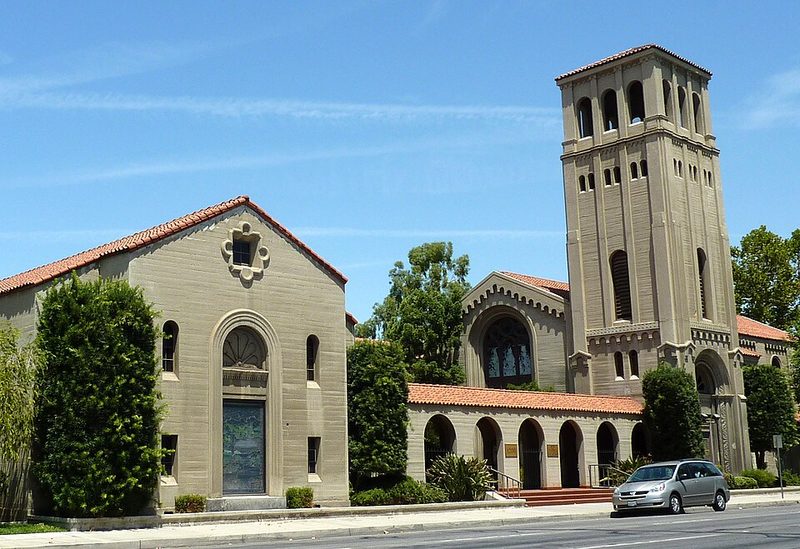
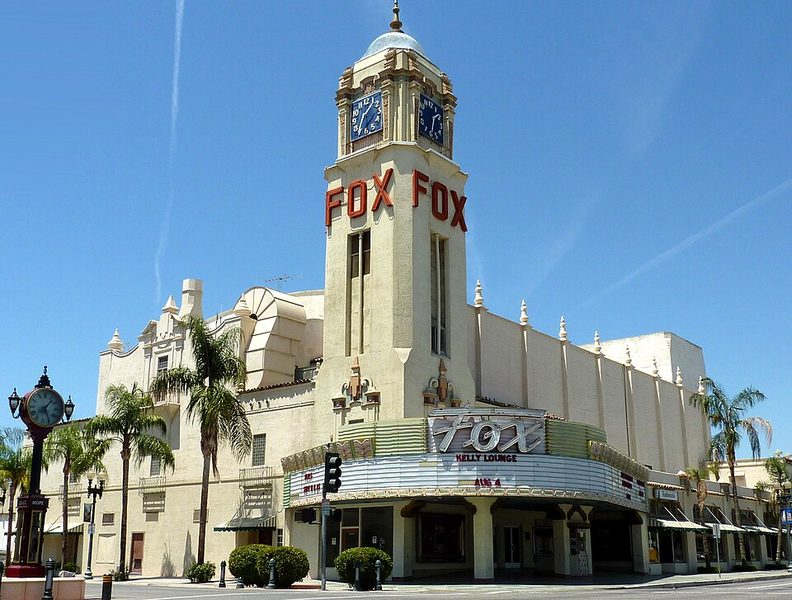
The Buena Vista Museum of Natural History holds fossil collections sourced from the Bakersfield foothills area. Visit California also references an Arts District in downtown Bakersfield, home to the 1930 Fox Theater. The First Baptist Church complex — also known as the Bell Towers, built in 1931 and listed on the National Register of Historic Places in 1979 — now operates as an office building but retains its original architecture on the streetscape.
Food, Culture and Daily Life
A substantial Hispanic and Latino population has shaped Bakersfield's cultural life over many decades, and local food options reflect that. Reddit discussion threads from the city's own community point to Mexican and Basque food as genuine local strengths, the latter reflecting a Basque shepherd community that settled in the Central Valley in the 19th and early 20th centuries. The city is also noted in those discussions as a testing ground for fast food chains, given its demographics and geography — a minor local distinction. The Kern Tamale Fest is among the named annual food events associated with the city.
Getting Around
Bakersfield is accessible by road via major north-south interstate and state highway routes. Amtrak's San Joaquins service connects the city to Oakland and Sacramento; a connecting motorcoach continues south toward Los Angeles. Given the city's scale and road-oriented layout, most visitors will find a vehicle the most practical way to get around. Current schedules and fares for all transport services should be confirmed directly with operators before travel.
Practical Notes
Bakersfield operates on Pacific Time (UTC−8 in winter, UTC−7 during daylight saving). Summer heat is the most significant practical consideration for visitors: temperatures in the San Joaquin Valley between June and September are consistently high, and the valley's air quality can be affected by agricultural activity and inversions. The UK Foreign, Commonwealth and Development Office currently advises normal precautions for travel to the United States as a whole; no specific advisory concerns apply to Bakersfield or Kern County. US visitors should be aware that entry requirements and immigration procedures are strictly enforced. Current official guidance is available from the UK FCDO and the US State Department.
Kern County Museum and Pioneer Village
The Kern County Museum and Pioneer Village, on Chester Avenue in Bakersfield, is the most substantial museum complex in the Central Valley south of Fresno. Set across 16 acres, it draws together the economic and social history of Kern County into a single walkable site, making it the most practical starting point for visitors who want context for what they are seeing in and around the city.
Pioneer Village
The centrepiece of the museum is Pioneer Village, an open-air collection of more than 50 original historic structures relocated from around Kern County. The buildings are arranged to simulate an actual town from the late 19th century, and visitors explore them on a self-guided tour at their own pace. Signage in front of each structure provides historical context, covering everything from Native American heritage to the early ranching and agricultural economy that preceded the oil era. The village format — real buildings on a landscaped site rather than replicas in a gallery — gives the experience a texture that indoor-only museums rarely match.
Black Gold and the Oil Exhibit
The Black Gold exhibit addresses Kern County's petroleum industry directly, covering the science and impact of oil extraction in the region. Kern County has been one of the most productive oil-producing counties in the United States for well over a century, and this exhibit places that fact in human and industrial context. An early oil derrick is among the pieces on display, providing a physical sense of the equipment that shaped the local landscape.
Neon Plaza and Other Collections
A less expected feature is the Neon Plaza, which displays restored neon signs collected from businesses around the county — diners, service stations, retail shops — that no longer exist. The collection functions as an informal commercial and visual history of the region across the mid-20th century. The museum site also includes the Lori Brock Children's Discovery Center, making it a workable option for family visits.
Practical Notes for Visitors
The museum's official website lists current opening hours as Wednesday through Sunday, 9 am to 4 pm, with no admission accepted after 3:30 pm; it is closed on Mondays and Tuesdays. Visitors should check the official website before travelling, as closures for private events and public holidays are listed there. The 16-acre site warrants at least half a day for a thorough visit. The self-guided format means visitors can move at their own pace, which suits the outdoor village section particularly well in the cooler months — summer temperatures in the San Joaquin Valley can be significant, and the outdoor portions of the site are fully exposed.
Sources: Kern County Museum - Wikipedia • Featured Exhibits - Kern County Museum (official) • Kern County Museum - official homepage • Kern County Museum visitor information - WhichMuseum
The Bakersfield Sound
The Bakersfield Sound is the most internationally recognised cultural export from this Central Valley city, and its roots are directly traceable to the working-class migrants who arrived in large numbers during the 1930s. The style that emerged here in the late 1950s and early 1960s was a deliberate departure from the polished, string-heavy productions that dominated Nashville at the time, and it left a lasting mark on American country music and, through it, on country rock.
Origins and Context
The influx of families from Oklahoma, Texas, and other parts of the American South during the Dust Bowl era of the 1930s brought honky-tonk music with them into the San Joaquin Valley. Bakersfield's working bars and dance halls became the venues where that sound developed, shaped by musicians who recorded largely independently of the Nashville establishment. The style is characterised by electric guitar — particularly the Fender Telecaster — sharper rhythms, and a directness that distinguished it from the orchestrated productions then coming out of Tennessee.
Buck Owens and Merle Haggard
Two artists define the Bakersfield Sound for most listeners. Buck Owens and his backing group the Buckaroos dominated the Billboard country charts through the 1960s, recording with a raw, driving energy that influenced generations of musicians after them. Merle Haggard, who grew up in Bakersfield, built a catalogue that included 38 number-one songs; tracks such as "Mama Tried", "Okie from Muskogee" and "The Fightin' Side of Me" became enduring reference points in American country music. Both artists have streets named in their honour in Bakersfield. The sound they developed influenced later artists including Dwight Yoakam, and is widely credited with helping spawn country rock as a genre.
Buck Owens' Crystal Palace
The most direct visitor connection to the Bakersfield Sound is Buck Owens' Crystal Palace, a combined restaurant, museum and live music venue that Owens opened in 1996 off US Highway 99. The venue contains the Buck Owens Museum, with items related to his career and the history of the Bakersfield Sound on display. The building's design references the visual language of the Old West. Live country music performances continue at the venue; visitors should check current schedules directly, as programming changes. The Crystal Palace is the single most practical place in Bakersfield for visitors with an interest in this chapter of American music history to spend an evening.
Visitor Context
The Bakersfield Sound's influence extends well beyond its originators, and the Ken Burns documentary series on country music (PBS) gives it significant attention, which has helped bring broader awareness to Bakersfield's role in the genre's development. For visitors, the Crystal Palace is the primary physical anchor for this history. The Kern County Museum also touches on the Bakersfield Sound in its wider coverage of local culture. Street names and the general civic acknowledgement of Owens and Haggard mean the Sound has a genuine presence in the city, even if it is understated compared to, for example, Nashville's music infrastructure.
Sources: The Bakersfield Sound - Visit Bakersfield (official tourism) • Bakersfield sound - Wikipedia • Buck Owens Crystal Palace - Wikipedia • Buck Owens Crystal Palace - Visit California • Bakersfield Sound - PBS Ken Burns Country Music