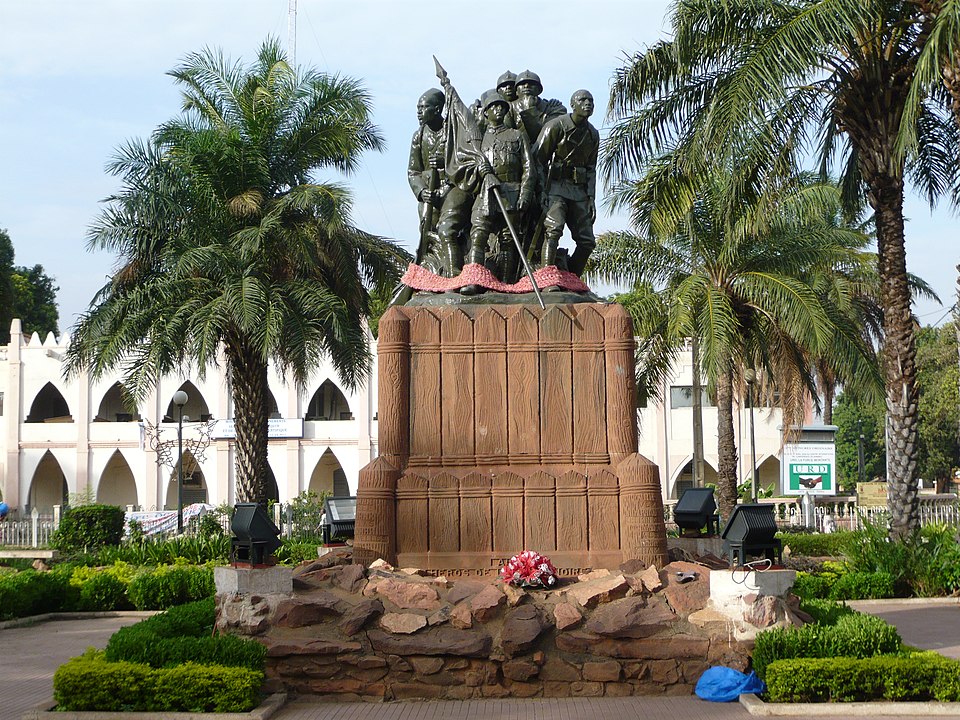
Image: Wikipedia / Wikimedia Commons
Image: Wikipedia / Wikimedia Commons
Bamako is the capital and largest city of Mali, a sprawling West African metropolis where the Niger River flows through the heart of the city and serves as both a geographic anchor and cultural lifeline. With a population of over 4.2 million people, this dynamic city pulses with the energy of commerce, music, and community life that defines contemporary Mali. Though often overshadowed in international discourse by Mali's political challenges, Bamako itself remains a city of genuine character, rooted in its extraordinary riverine setting and the creativity of its inhabitants.
Bamako sits in the southwestern part of Mali, positioned on the Niger River at a crucial geographic point—near the rapids that divide the upper and middle Niger valleys. This location has shaped the city's significance for centuries. The river is not merely a backdrop but an integral feature of daily life, serving as a water source, transport route, and gathering place for residents. The city's coordinates place it at 12.60915 degrees North latitude and 7.97522 degrees West longitude, positioning it in the heart of West Africa's Sahel region.
The landscape around Bamako reflects the transitional ecology of this zone. The river valley provides pockets of greenery amid the broader semi-arid environment, creating distinct microclimates within and around the urban area. The city itself sprawls across both banks of the Niger, with neighborhoods and districts connected by bridges that have become essential infrastructure as Bamako has grown. The elevation of the city sits at sea level, making it accessible but also placing it within the climatic patterns of the Niger River basin. The timezone is Africa/Bamako, which operates on Greenwich Mean Time year-round without daylight saving time adjustments.
Bamako's history as a settlement stretches back centuries, though its emergence as Mali's capital is a more recent development. The city gained prominence during the French colonial period and became the capital of the French Sudan, later independent Mali. This colonial legacy left architectural imprints on the city, visible in some of its older quarters and institutional buildings. However, Bamako's identity has been continuously reshaped by Malian culture and the waves of migration that have brought people from across the country and region to seek opportunity in the capital.
The city has become a major center for Mali's renowned musical traditions. Bamako is closely associated with the development of modern Malian music, where traditional instruments and praise-singing traditions have merged with electric guitars, percussion, and contemporary production. This musical heritage remains deeply embedded in the city's cultural fabric, with numerous venues, studios, and gatherings where music continues to be created, performed, and celebrated. The city's role in Mali's cultural life extends beyond music to encompass visual arts, textile traditions, and oral storytelling practices that remain vital to how Bamakois understand and express their identity.
Visitors and residents alike are drawn to experiences centered on the Niger River itself. The riverbanks, particularly in certain quarters, offer opportunities to observe daily life and appreciate the geography that defines the city. Sunrise and sunset along the river provide moments of striking natural beauty, and the waterway remains a focal point for understanding how Bamako functions as a living city rather than a museum piece.
The city's markets represent essential cultural and economic institutions. Markets throughout Bamako reflect the diversity of the city's population and offer insights into local trade, craftsmanship, and commerce. These are spaces where negotiation and social interaction are woven into the fabric of commerce itself. Walking through market quarters provides genuine encounters with Bamako's commercial vitality and the ingenuity of local traders and artisans.
For those interested in arts and culture, Bamako has produced and attracted creative practitioners across multiple disciplines. The city contains museums and cultural institutions that document Mali's artistic heritage, though visitors should verify current opening hours and accessibility before planning visits, as operations can be affected by various factors. The broader urban environment—its street art, music venues, and informal gathering spaces—also constitutes a cultural landscape worth exploring for anyone seeking to understand contemporary Malian creativity and expression.
Bamako is served by an international airport that connects the city to other major African cities and some international destinations. Ground transportation within the city includes shared taxis, buses, and informal transport networks that form the backbone of daily commuting for most residents. The Niger River also continues to serve some transportation functions, though most movement now occurs via roads and bridges that span across it. Travelers should familiarize themselves with local transport customs and exercise standard urban travel precautions.
For the millions of people who call Bamako home, the city functions as an economic center and hub for opportunity. Commerce, trade, and small business are fundamental to how most residents sustain themselves. The city draws migrants from across Mali seeking work in markets, services, construction, and other sectors. Government institutions, education, and media are also centered in Bamako, making it the administrative heart of the nation. Daily life revolves around navigating the challenges and possibilities that come with living in a large, rapidly growing African capital—securing water and electricity, managing transportation, participating in markets, and maintaining social and family bonds that extend both within the city and to rural areas from which many urban residents originate.
Bamako's population stands at 4,227,569 as of 2022, making it by far Mali's largest city. The city operates in the Africa/Bamako timezone. The Niger River location provides a defining geographic feature, while the broader region's semi-arid climate shapes seasonal patterns and daily life. For those planning visits or relocating, understanding that Bamako is a large, complex urban environment with both significant opportunities and genuine infrastructure challenges is important for setting realistic expectations and planning accordingly.
View larger map — © OpenStreetMap contributors
Flight delayed or cancelled?
You could be owed up to €600 compensation. Check your eligibility for free.Do you know Bamako?
Share local tips, recommend a hotel, list a business or add a photo.
✏️ Share your knowledge about BamakoDo you know Bamako?
Share local tips, recommend a hotel, list a business or add a photo.
✏️ Share your knowledge about Bamako