

What Borough of Bronx is known for
Travel Advisory: The UK Foreign Office and US State Department maintain normal travel guidance for the United States. Visitors should check current official advice before travel.
Introduction
The Bronx is New York City's northernmost borough and the only one located primarily on the United States mainland. Home to nearly 1.4 million residents across 42 square miles, this urban borough borders Westchester County to the north, with the Harlem River separating it from Manhattan to the south and west, and the East River dividing it from Queens to the southeast. The Bronx originated hip-hop culture, maintains significant green spaces including major parks and gardens, and functions as a genuine residential borough where local life predominates over tourism.
Arriving and Getting Oriented
The borough occupies varied terrain at an average elevation of 19 metres, though some neighbourhoods sit noticeably higher than others. The northwestern section, including Riverdale—home to nearly 48,000 residents—presents quieter, more spacious residential streets along the Hudson River. This area contains the city's northernmost point at the University of Mount Saint Vincent. Moving south and east, the landscape becomes progressively more dense, with tightly packed apartment buildings defining much of the central and southern sections.
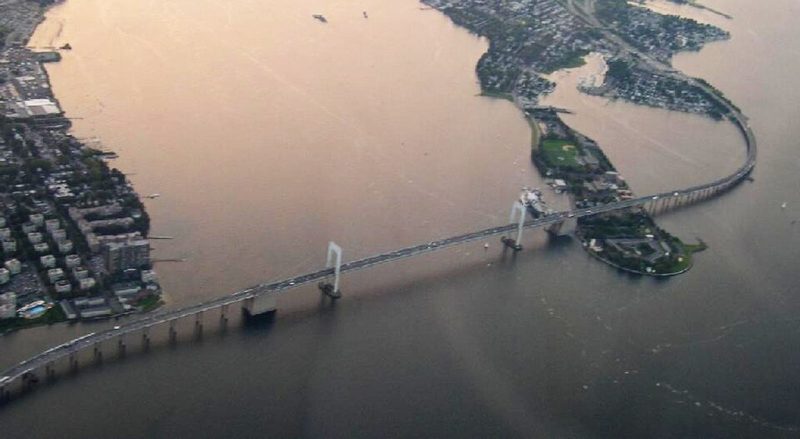
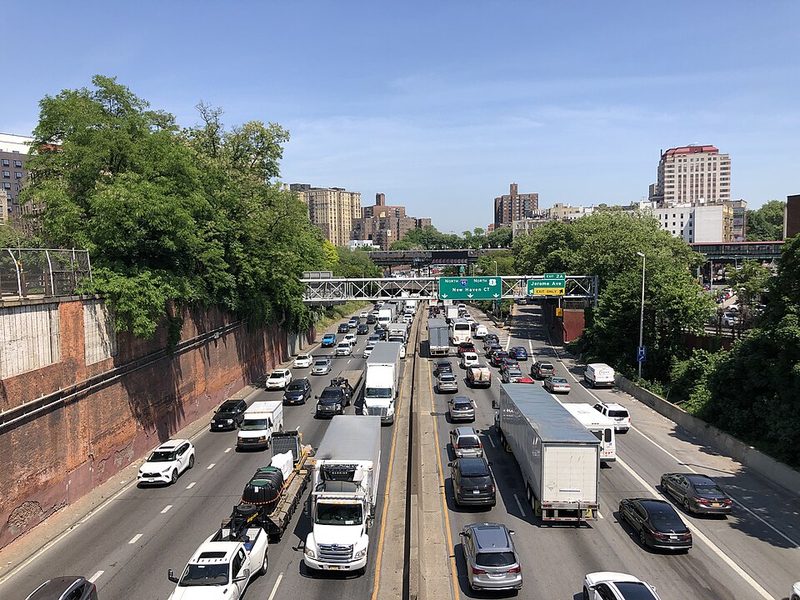
Visitors arriving from Manhattan cross the Harlem River; those coming from Queens traverse the East River; travellers from points north enter from Westchester County. The borough is served by New York City's transit system, though specific line details and current service should be verified directly with the Metropolitan Transportation Authority before travelling.
Historical Background
The Lenape people originally inhabited this region, calling it Rananchqua. Dutch settlement began in the 1640s, with Jonas Bronck, a Swedish settler, purchasing approximately 500 acres from the Lenape in 1639. His land, known as "Bronck's Land", gave the borough its name. British control arrived in 1664 when New Netherland fell to England, and the area served as a Revolutionary War battlefield during the 18th century whilst remaining largely rural farmland.
The 20th century brought radical transformation. Successive waves of immigrants—Irish, Italian, Jewish, Puerto Rican, Dominican, and many others—filled expanding neighbourhoods, each community leaving marks on local institutions and street life. The borough became the birthplace of hip-hop culture in the 1970s, a cultural innovation that emerged from Bronx streets and neighbourhoods before spreading worldwide. This legacy remains central to how the borough understands itself today.
Major Visitor Sites
The Bronx Zoo, a 265-acre metropolitan zoo, houses over 10,000 animals from around the world, with exhibits including the Congo Gorilla Forest, a butterfly garden, sea lion exhibits, and a 4-D theatre. The New York Botanical Garden offers seasonal displays including the Orchid Show and Holiday Train Show throughout the year. Both institutions function as major regional attractions drawing both New Yorkers and visitors from beyond the city.
Yankee Stadium anchors the southern section of the borough, accessible by NYC Subway and commuter trains from Connecticut and surrounding areas. The stadium's presence shapes local pride and community identity, serving as a cultural gathering point beyond its sporting function.
The Edgar Allan Poe Cottage, located at 2640 Grand Concourse, operates as a museum within a structure built in 1812. The writer rented this cottage from 1846 until his death in 1849. The building gained designation as a Bronx landmark in 1962 and recognition from the New York City Landmarks Preservation Commission in 1966. The Bronx County Historical Society now operates it as a museum under the Historic House Trust.
Neighbourhoods and Districts
Arthur Avenue functions as the borough's "Little Italy", a commercial district centred on authentic Italian food traditions. The Arthur Avenue Retail Market, where vendors including Mike's Deli (operating over 75 years), Boiano's Food, and the Bronx Beer Hall serve customers, has been a neighbourhood institution since 1970. The market's atmosphere reflects Italian traditions, with aromas ranging from freshly cut capicola to hand-rolled cigars. New Yorkers describe Arthur Avenue as the "real Little Italy" of the city, and the neighbourhood hosts the annual Ferragosto festival in September.
Riverdale in the northwestern section maintains a distinct character with tree-shaded residential streets and proximity to the Hudson River. Other districts each carry neighbourhood identities, though the borough functions primarily as residential space rather than tourist territory. Shopping districts anchor daily life throughout, serving as economic and social centres where residents conduct regular business.
Cultural Heritage
Hip-hop culture was born in the Bronx during the 1970s, specifically at 1520 Sedgwick Avenue in the West Bronx—officially recognized by New York State as the birthplace of the genre. Pioneers including Grandmaster Flash developed foundational DJ techniques at Bronx block parties that revolutionised music globally. During the late 1970s, when President Jimmy Carter visited the South Bronx in 1977 to survey urban despair, hip-hop culture was simultaneously flourishing in these same neighbourhoods, visible in graffiti covering subway trains and audible in emerging musical forms. Disco Fever in the Bronx became one of the first venues to give hip-hop groups weekly performances starting in 1978.
The borough supports Off-Off-Broadway theatre, arts institutions, and community cultural centres reflecting its diverse population. Music heritage extends beyond hip-hop into jazz, Latin, and other genres that developed in Bronx neighbourhoods over decades. Community celebrations throughout the year reflect the many cultural traditions present amongst nearly 1.4 million residents.
Architectural and Historic Structures
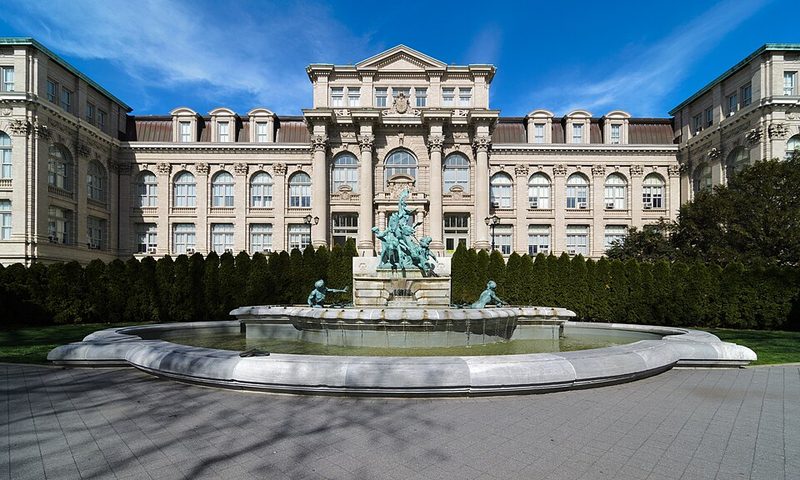
The Kingsbridge Armory, built in the 1910s at Jerome Avenue and West Kingsbridge Road, stands as possibly the world's largest armory structure. The American Bank Note Company Printing Plant in Hunts Point represents industrial architecture now serving new purposes. Throughout the borough, grand older buildings stand alongside contemporary residential construction, creating a streetscape that reflects continuous negotiation between history and development.
Parks and Green Space
Van Cortlandt Park serves as a major green space frequently recommended by residents for visitors. Wave Hill Gardens offers views of the Hudson River alongside landscaped grounds and nearby residential architecture. These parks and others throughout the borough provide recreational space for the resident population whilst also attracting visitors seeking relief from dense urban surroundings.
Practical Considerations
The Bronx functions primarily as home to 1.4 million people living their daily lives. Shopping districts, restaurants, and public spaces serve local needs first, with tourism remaining secondary to neighbourhood function. Streets feel distinctly oriented toward residential rhythms rather than packaged visitor experiences. This character—genuine urban life rather than curated tourist territory—defines what makes the borough distinctive and valuable to understand within the broader New York City context.
Visitors planning trips should verify current transportation routes, attraction opening times, and neighbourhood conditions through official city resources and attraction websites before travelling, as details change regularly.