

What Brampton is known for
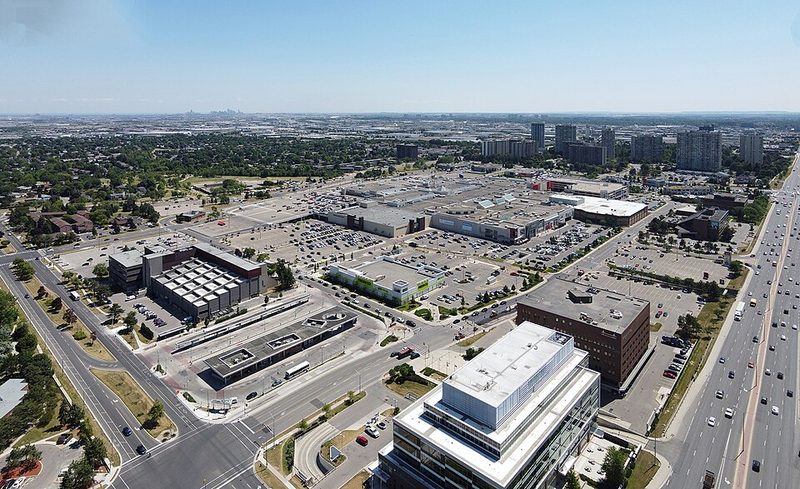
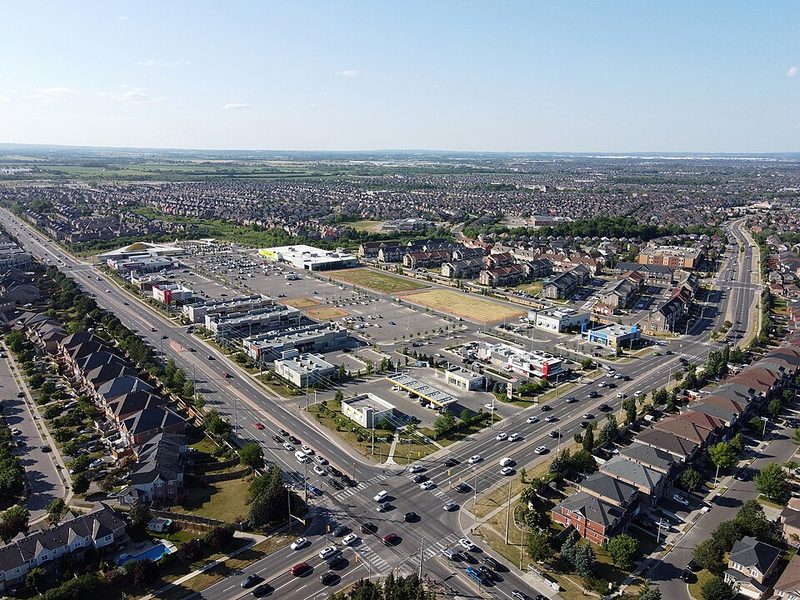
Brampton sits at the edge of Canada's largest metropolitan region with over 650,000 residents, making it the ninth most populous municipality in the country and the third largest city in the Greater Toronto Area. Part of Peel Region in southwestern Ontario, the city occupies relatively flat terrain between Toronto and Hamilton at approximately 221 metres elevation. Its borders touch Vaughan to the east, Halton Hills to the west, Caledon to the north, Mississauga to the south, and Etobicoke (Toronto) to the southeast, embedding it firmly within the dense urban and suburban fabric of Ontario's southwest.
The city operates primarily as a commuter hub and industrial centre, shaped by waves of migration and economic transformation. Visitors arriving by road or rail encounter a working city that blends suburban development with heritage buildings, greenspace, and increasingly dense commercial corridors. The downtown core clusters around Church Street West, where the GO Transit station anchors regional connectivity.
Historical Background
The Mississaugas of the Credit First Nation held 648,000 acres of land north of Lake Ontario before British colonial expansion reshaped the region. European settlers began arriving in the early 1800s. The settlement was surveyed in 1819 and named Brampton by 1834, taking its name from the market town of Brampton in Cumberland, England. The village incorporated in 1853 with approximately 1,000 residents, gained town status in 1873, and achieved city status in 1974.
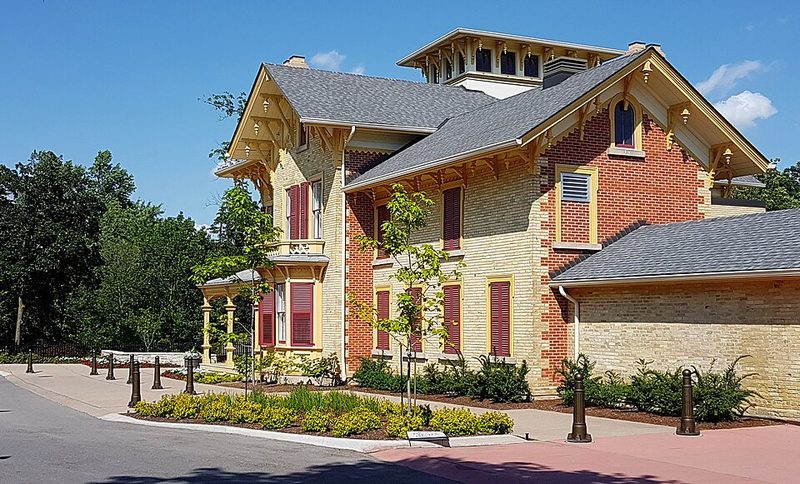
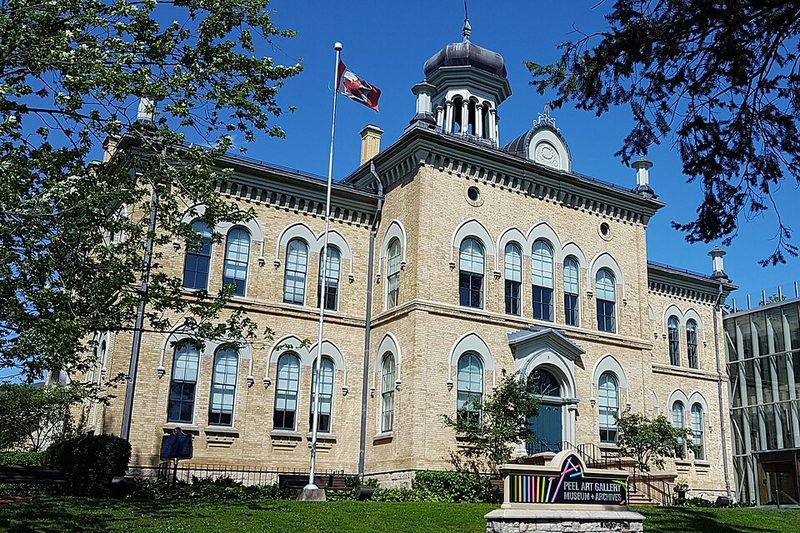
The arrival of the railway in 1856 proved transformative. In 1863, Edward Dale from England established a flower nursery that grew to employ workers in 140 greenhouses, developing into a major export operation. This heritage earned Brampton the designation "The Flower Town of Canada," a title that shaped civic identity well into the twentieth century. The Peel County Courthouse, built by 1877, now houses the Peel Art Gallery, Museum and Archives and offers visitors a physical connection to this administrative and cultural past.
Economy and Contemporary Identity
Modern Brampton supports diverse sectors including advanced manufacturing, food and beverage production, logistics and transportation, clean technology, cyber security, health and biotechnology, and software-as-a-service. This industrial and commercial diversity reflects both heritage and contemporary investment. The city attracts workers from across the Greater Toronto Area and serves as a hub for regional supply chains.
Successive waves of migration have brought residents from across Asia, South Asia, Africa, Europe and the Caribbean. This demographic transformation is visible in daily public spaces, places of worship, community organisations, and the city's restaurant and retail landscapes. Brampton hosts several cultural festivals, including the annual Carabram multicultural festival in July, which transforms venues across the city to represent different cultures through food, dance, music and entertainment.
What Visitors Find
The downtown core centres on the GO Transit station and Church Street West, where heritage and contemporary development exist side by side. The Peel Art Gallery, Museum and Archives (PAMA), housed in the historic courthouse, provides insight into local and regional history. The institution serves as the official archives for the Region of Peel and its constituent municipalities. A self-guided heritage walking tour, "A Walk Through Time," documents downtown's historical architecture and is available from the city.
The Rose Theatre, located in downtown Brampton, operates as a performance venue hosting concerts and theatrical productions. Gage Park, also downtown, provides open space and seasonal skating. Chinguacousy Park and Heart Lake Conservation Area offer outdoor recreational facilities. Reddit discussions among residents frequently mention PAMA as worth visiting for those interested in art and local history, though most acknowledge Brampton functions primarily as a residential and working city rather than a tourist destination.
Transport Connections
Brampton GO Station (officially the Brampton Innovation District GO Station), located at 27 Church Street West in downtown, connects to GO Transit regional rail service and Via Rail, linking the city to Toronto and other destinations within the Greater Toronto Area. The station connects directly to the Downtown Brampton Terminal, which serves GO Transit and Brampton Transit buses. Major highways provide road access to Toronto, Hamilton and surrounding regions.
Is Brampton Worth Visiting?
Brampton operates primarily as a working city and commuter hub within the Greater Toronto Area rather than a conventional tourist destination. Visitors with specific interest in South Asian cultural festivals, Ontario industrial and immigration history, or those using the city as a base for exploring the wider region will find relevant attractions. The Peel Art Gallery, Museum and Archives offers substantive historical and cultural programming. Most travellers to the Greater Toronto Area prioritise Toronto or Niagara, though Brampton's festivals and multicultural character provide distinct experiences for those seeking them.
Where to Stay in Brampton
Downtown Brampton near the GO station provides the most direct access to regional transit connections and local amenities including PAMA, the Rose Theatre, and Gage Park. This area suits visitors prioritising ease of movement within the Greater Toronto Area. Accommodation options throughout the city cater primarily to business travellers and those visiting family. Specific hotel recommendations should be verified for current availability and positioning relative to planned activities.
How Many Days Do You Need in Brampton?
One day suffices for visitors interested in downtown heritage sites, PAMA, and the heritage walking tour. Those attending specific festivals or events should align timing accordingly. Most visitors treat Brampton as a day visit or stopover within a broader Greater Toronto Area itinerary rather than a multi-day destination in its own right. The city's position within the GTA transit network makes it feasible to visit selectively without overnight accommodation.
Is Brampton Safe for Visitors?
Canada is under UK Foreign, Commonwealth & Development Office Level 1 travel advisory status, indicating normal precautions for travellers. The US State Department does not issue a travel advisory for Canada. No regional or city-specific restrictions apply to Brampton. Standard urban awareness and precautions apply. Visitors should consult current official government travel guidance before departure.
Practical Notes
The 2026 FIFA World Cup, co-hosted by Canada, takes place between 11 June and 19 July and may affect transport and accommodation availability during that period. Brampton operates on Eastern Time (America/Toronto timezone). Standard travel insurance is recommended. Most services and amenities are available locally, though some specialised needs may require travel to neighbouring Mississauga or Toronto.