

What Brisbane is known for
Brisbane, the capital of Queensland, occupies a river peninsula 15 kilometres inland from Moreton Bay. With a metropolitan population of 2.7 million, it ranks as Australia's third-largest city—a subtropical centre where heritage-listed buildings stand alongside contemporary development, and where the Brisbane River shapes both the geography and daily movement of residents and visitors. The city grew from a harsh penal settlement established in 1824 into Queensland's economic engine, and that layered past remains visible in its streetscape.
Setting and Orientation
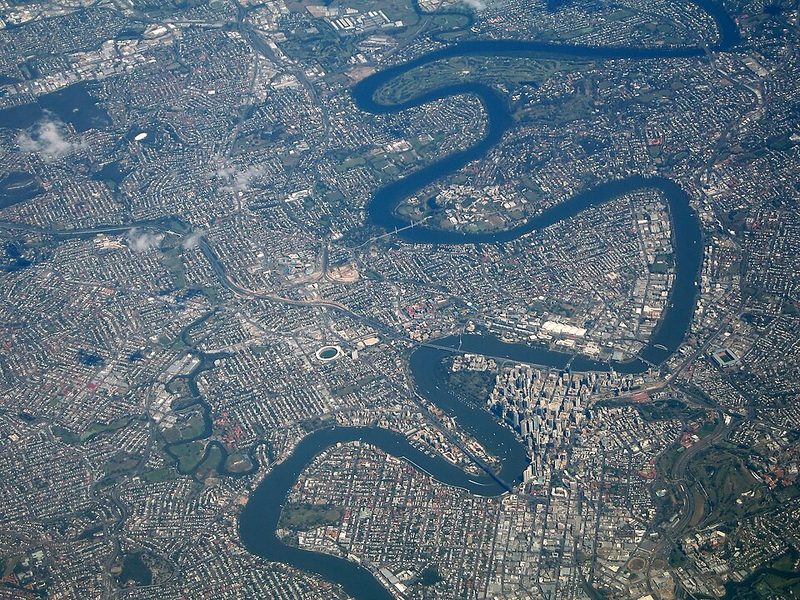
The central business district occupies a peninsula formed by a curve in the Brisbane River, approximately 15 kilometres upstream from where the river meets Moreton Bay. The wider metropolitan area sprawls across the Brisbane River Valley, bounded by the Pacific Ocean to the east and the Taylor and D'Aguilar mountain ranges to the west. The landscape is subtropical and heavily vegetated, with a warm climate that produces hot, humid summers and mild winters.
The river functions as both a visual anchor and a practical divide. The Story Bridge, completed in 1940, spans the water and serves as an immediate landmark visible across much of the inner city. Parks and botanic gardens are distributed throughout the urban area, offering green spaces that provide relief from the heat and prevent the sprawl from feeling entirely dense.
Historical Background
Brisbane began in 1824 as the Moreton Bay Penal Settlement, designated for convicts considered too troublesome for other Australian stations. The settlement operated under harsh conditions until 1842, when it opened to free settlement. Brisbane developed as a colonial trading port and became the capital of Queensland when the state separated from New South Wales in 1859.
During the Second World War, Brisbane served as the Pacific Headquarters for Allied operations, a role that left lasting marks on local infrastructure and collective memory. More recently, the city hosted the Commonwealth Games and the G-20 summit, events that drove public investment and raised international visibility. The Queensland Museum houses the Mephisto, the only surviving A7V German tank from the First World War, recovered from the Western Front and displayed in the ANZAC Legacy Gallery.
Economy and Contemporary Life
Brisbane's economy generates nearly half of Queensland's total output. The health sector contributes approximately $16.1 billion annually and supports more than 116,000 jobs across over 100 health and biotech facilities. Tourism, property and construction, logistics, advanced manufacturing, and business services form the remainder of the economic base. A growing technology sector reflects shifting investment patterns, with the city's economy projected to reach $275 billion by 2041.
The population is diverse and multicultural, a characteristic reflected in the city's food, festivals, and public life. Parks and gardens serve not only as recreational spaces but also as essential infrastructure for managing the subtropical climate. The river supports recreational use, and nearby Moreton Bay offers coastal access and water-based activities.
What to See and Do
The Story Bridge Adventure Climb offers guided ascents to the summit of the 1940 steel bridge, providing views across the city and river from an elevated vantage point. Climbs operate during daylight hours, at dawn, and under the full moon, with safety equipment and briefings provided.
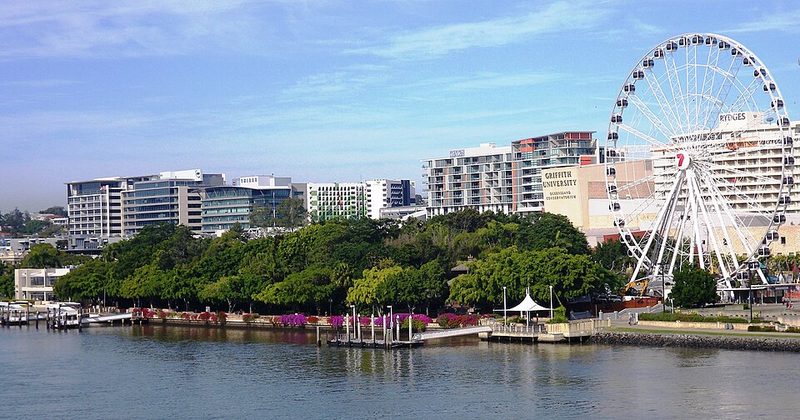
The Queensland Art Gallery and Gallery of Modern Art (QAGOMA) form a single institution housed in two adjacent buildings within the Queensland Cultural Centre at South Bank. The Gallery of Modern Art, which opened in 2006, contains contemporary and modern art collections, a Children's Art Centre with interactive artworks, and a cinema. The two gallery buildings sit 150 metres apart along the riverbank.
South Bank Parklands, the Brisbane Botanic Gardens, and the Lone Pine Koala Sanctuary are noted attractions, though visitors should confirm current opening arrangements and access details locally.
ANZAC Square, located between Ann Street and Adelaide Street in the city centre, functions as a war memorial and public gathering space. The Austral Motors Building in Fortitude Valley, a heritage-listed former automobile showroom dating from the 1920s, represents an earlier industrial chapter in the city's development.
Practical Considerations
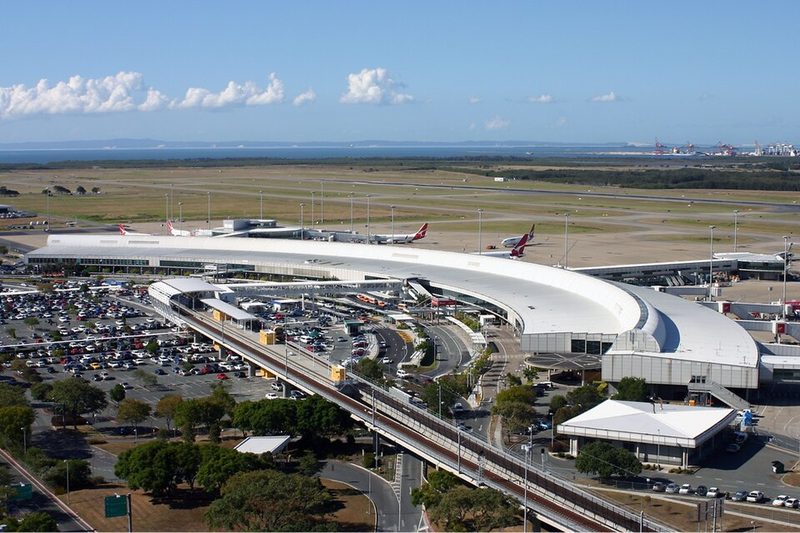
Brisbane is accessible by air, with connections to domestic and international destinations. The city's public transport network includes rail, bus, and ferry services. The ferries—particularly the CityCat service—operate along the Brisbane River and provide both practical transport and a way to view the city from the water. Major bridges across the river are essential infrastructure for navigating the sprawling metropolitan area.
The subtropical climate means heat and humidity are standard, especially from December through February. Visitors travelling during Australian spring and summer (October to February) should note that bushfire risk is elevated across Australia during these months; checking local conditions and official advice before and during travel is sensible practice. Standard travel precautions and awareness of local conditions apply.
Details regarding accommodation, dining, and transport schedules should be confirmed directly with current local providers, as these change regularly.