

What Calgary is known for
Calgary sits where the Bow and Elbow rivers converge on a broad plateau at over 1,000 metres elevation. The Rockies rise eighty kilometres to the west; prairie stretches east. Canada's third-largest city, with 1.3 million people, carries the rough-edged character of a frontier town that struck oil and never quite forgot its ranching roots. The place sprawls across more than 800 square kilometres of foothills and high plains, with wide sky and thin air shaping the feel of arrival.
Setting and First Impressions
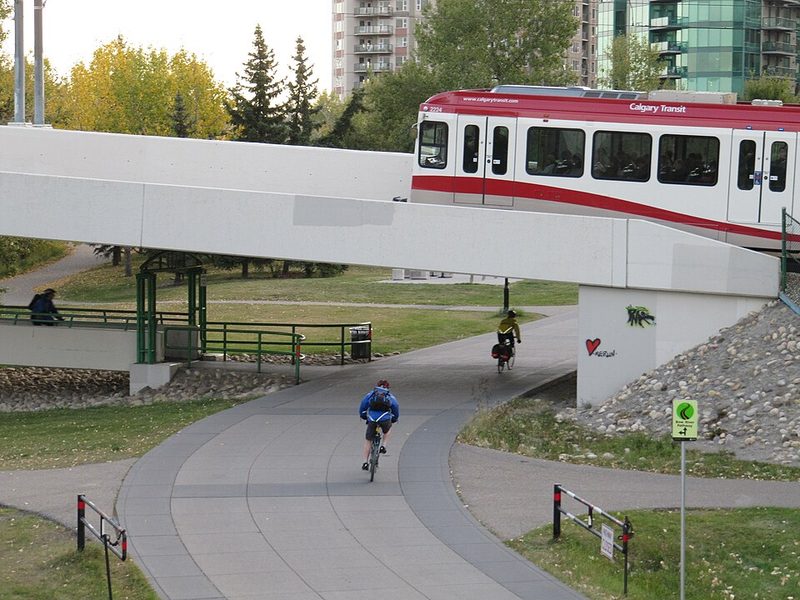
The terrain reads as open and elevated. The river valleys cut through the urban landscape as green corridors, offering unexpected depth in an otherwise sprawling modern city. Downtown clusters around Eighth Avenue, the historic commercial spine, but Calgary lacks the dense vertical feel of older Canadian centres. Neighbourhoods fan outward across different elevations and districts, connected by the CTrain light rail system that runs Red and Blue lines through the city.
The sky dominates here. The city feels exposed to weather and light in a way that flatlands sometimes do. Winter brings cold and occasional chinook winds—warm air masses that can raise temperatures dramatically within hours. Summer stretches long, with daylight extending well into evening at this northern latitude.
History and Identity
The confluence of the Bow and Elbow rivers served as a significant gathering place for Indigenous peoples for thousands of years before European settlement. The Blackfoot Confederacy—comprising the Siksika, Kainai, and Piikani Nations—inhabited this region, drawn to the rivers for water, game, and meeting ground in otherwise spare landscape.
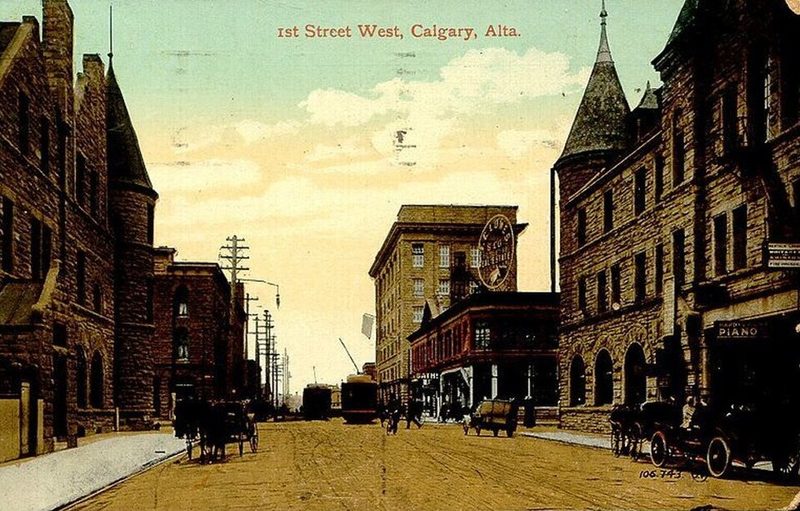
European presence arrived with the fur trade in the late eighteenth century, though settlement remained light until 1875, when the North West Mounted Police established a fort here to assert colonial authority on the frontier. That garrison became the nucleus of the modern city. The Canadian Pacific Railway transformed Calgary in 1883, delivering connection east and opening the land to rapid immigration from eastern Canada, Britain, and Europe. The town incorporated in 1884; by 1911, the population had grown from hundreds to 43,000.
The nickname "Cowtown" emerged from the ranching heritage and cattle economy that dominated early growth. The Calgary Stampede, founded in 1912 by American promoter Guy Weadick with backing from major Alberta cattlemen, became the public face of this identity. The event traces its roots to 1886, when the Calgary and District Agricultural Society held its first fair. Today the Stampede runs for ten days each July, billing itself as "The Greatest Outdoor Show on Earth" with rodeo competitions, chuckwagon races, and Indigenous cultural performances at the Treaty 7 village.
Economy and Modern Life
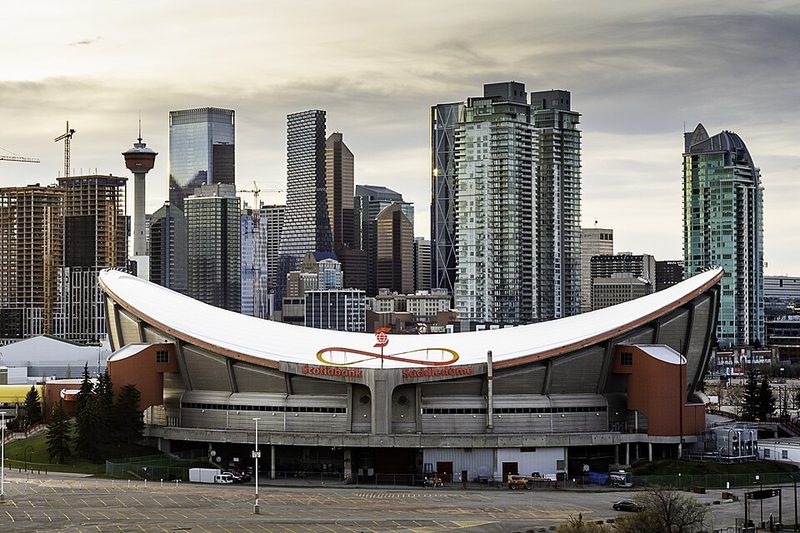
Oil and gas define Calgary's modern economy. The industry accelerated growth during price booms in the late 1990s and early 2000s, shaping the city's working identity and skyline. Energy remains central, though the economy has diversified to include agriculture, tourism, and technology sectors. Economic fortunes here track global commodity prices more directly than in most Canadian cities.
The University of Calgary, established as a branch of the University of Alberta in 1944 and autonomous since 1966, operates as a significant research institution with fourteen faculties and over eighty-five research institutes. Its main campus sits in the northwest near the Bow River. The university brings federal and provincial research activity into the local landscape and shapes the intellectual life of the city.
Neighbourhoods and Districts
Kensington, located in the communities of Hillhurst and Sunnyside immediately north of downtown, has developed as a shopping and dining district over more than a century. The area centres on the intersection of Kensington Road and 10th Street NW, with C-Train access via Sunnyside Station. The district retains a village character with independent shops and cafés.
Mission and 17th Avenue SW form another distinct area south of downtown, known locally for restaurants, bars, and street life. The corridor runs through the Beltline neighbourhood and serves as a social hub, particularly active on weekends.
Inglewood, east of downtown along the Bow River, reads as Calgary's oldest neighbourhood, with heritage buildings, breweries, and a village-like character. Eighth Avenue downtown remains the historic commercial spine, though current development has layered modern retail and office space over the century-old street grid.
Getting There and Around
Calgary International Airport serves as the main gateway. The CTrain light rail system operates Red and Blue lines connecting downtown with outlying areas; a Green Line extension is under development. The system began operating four-car trains in late 2015 to handle growing capacity. Key routes include connections to the University station and major transit hubs at stations such as Chinook.
The city sits on the Trans-Canada Highway (Highway 1) and serves as a road hub for the Canadian prairies and mountain access. Driving remains the primary mode of transport for most residents, though public transit serves downtown and established neighbourhoods along the rail corridors.
Cultural Infrastructure
The Glenbow Museum, closed for major renovations through 2027, has served as Calgary's principal art and history museum for almost sixty years. The institution holds collections spanning Western Canadian history, Indigenous culture, and Asian art. The renovated facility will reopen as the JR Shaw Centre.
Fort Calgary, at the confluence of the Bow and Elbow rivers, marks the 1875 North West Mounted Police post that founded the settlement. The site holds significance to Indigenous peoples from long before the fort's establishment, offering layered history of the location.
Heritage Park Historical Village, southwest of the city centre, operates as a living history museum focused on Western Canadian settlement, though it closes for winter and opens fully only from late May. The Calgary Highlanders, a Canadian Army reserve regiment with a distinguished service record including recognition for Afghanistan deployment, maintains headquarters at Mewata Armouries as a reminder of the city's military heritage.
Mountains and Surroundings
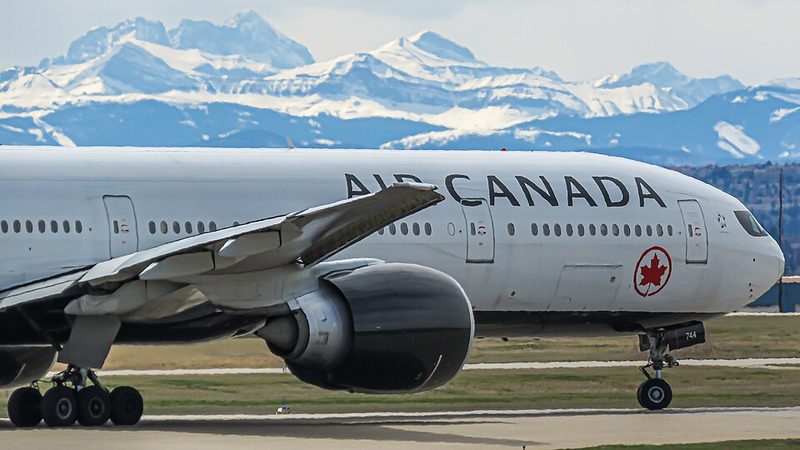
The Canadian Rockies lie roughly eighty kilometres west, making Calgary a common base for access to mountain national parks, ski resorts, and wilderness areas. Winter sports and summer mountain tourism form a significant part of the regional visitor economy. The foothills between the city and the mountains offer rolling terrain distinct from both prairie and alpine environments.
Practical Notes
Calgary operates on Mountain Time (UTC−7, Mountain Daylight Time in summer). The elevation—over 1,000 metres—means thinner air than many visitors expect, which can affect exertion and alcohol tolerance. The metropolitan area extends well beyond the city proper, reaching roughly 1.5 million people across the broader region.
Canada maintains UK Foreign Office Level 1 status (normal precautions) with no elevated travel warnings for Calgary or Alberta. Visitors should check current official travel advisories before departure. The 2026 FIFA World Cup includes matches co-hosted by Canada in June and July, which may affect accommodation availability and transport logistics during that period.
Landmark Cinemas, a national chain operating thirty-six theatres across Canada, maintains headquarters in Calgary—a detail that speaks to the city's role as a business centre beyond the energy sector.