

What Cali is known for
Cali moves to its own rhythm—literally. The city has earned its reputation as the world's salsa capital, and that musical identity runs through daily life in ways both obvious and subtle. As the largest city in southwest Colombia and the economic heart of the Valle del Cauca region, Cali is a working metropolis of nearly 2.4 million people, not a museum piece. It sprawls across a broad valley between mountain ranges, shaped by centuries of settlement and recent urban transformation.
First Impressions and Setting
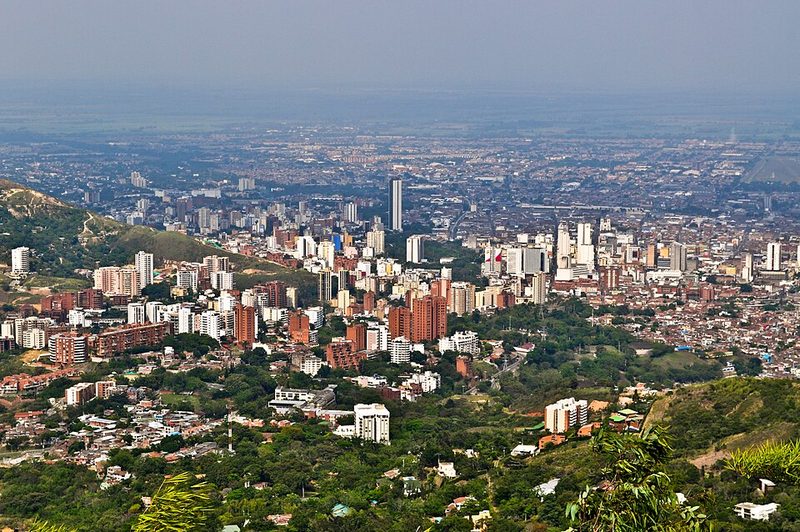
Arriving in Cali, the landscape makes itself felt immediately. The city sits in a river valley at low elevation, surrounded by the western and central ranges of the Colombian Andes. The geography defines the place: the valley contains an extraordinary concentration of biodiversity, with the surrounding region—despite covering less than 2% of Colombia's land area—holding between one-quarter and one-half of the country's animal species and around 11% of its flora. This ecological richness is a defining feature of the wider territory, though the city itself is heavily urbanized.
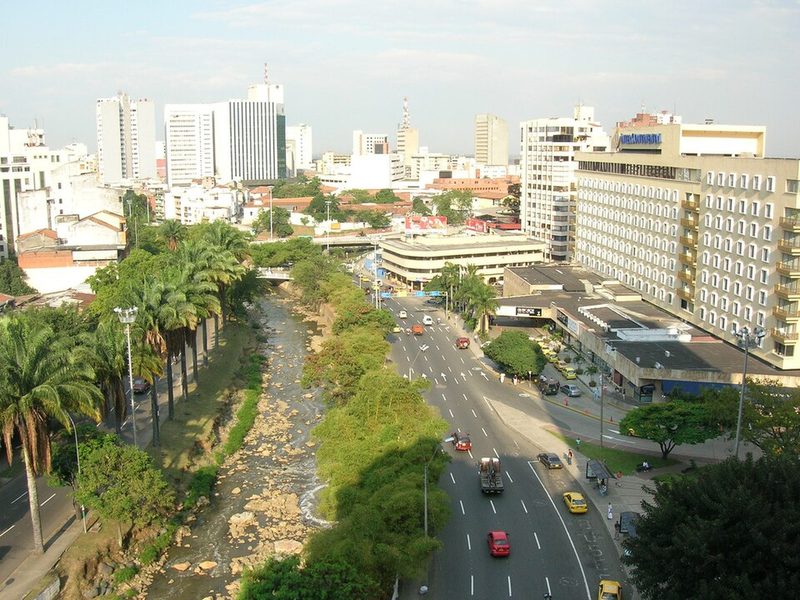
The city covers over 560 square kilometres, making it vast by area. Urban neighbourhoods sprawl across the valley floor and climb the surrounding hills. The climate is warm year-round, with distinct wet and dry seasons. Street life is animated and dense; the pavements are crowded, traffic moves in organised chaos, and music emanates from shops, bars, and cars.
History and Identity
Cali was founded on 25 July 1536 by Spanish conquistador Sebastián de Belalcázar. The original settlement was established near present-day Vijes and RiofrÃo before being relocated to its current location. The city grew through the colonial period as an agricultural and trading centre in the Pacific slope region, though it remained smaller than other Colombian cities for centuries.
The modern character of Cali is inseparable from its role as a cultural crossroads. African, indigenous, Spanish and immigrant influences converged here over centuries, creating a distinctive local identity. Salsa music became deeply embedded in the city's life and self-image, to the point where Cali markets itself as "Capital Mundial de la Salsa"—the World Salsa Capital. This identity is not merely a marketing slogan; it reflects the genuine centrality of music, dance, and performance to how residents understand their city.
Local nicknames carry meaning too. Cali is known as "Sucursal del Cielo," roughly translated as "Branch of Heaven," a poetic reference to the city's setting and spirit.
Daily Life and Economy
The city's economy has diversified significantly. While historically tied to agricultural trade and river transport, Cali has developed into a major regional hub for services, commerce, and increasingly, culture-driven tourism. Arts and culture serve as genuine economic drivers; urban art, traditional dance, and indigenous artistic practices attract visitors and support local creative workers. The tourism sector has developed around cultural heritage and festivals, recognising that Cali's authentic character—its music, neighbourhoods, and living traditions—has marketable value.
The University of Valle, based primarily in Cali, anchors intellectual and research life in the southwest region. Founded in 1945, it is the largest higher education institution by student population in the southwest and the third largest in Colombia overall, with more than 30,000 students. The university shapes the city's rhythm and hosts cultural events that ripple through the broader community.
Heritage Month, celebrated in September since 1997, brings exhibitions, workshops, and cultural events throughout the city. These are not tourist spectacles layered over local life; they emerge from genuine community investment in local history and artistic traditions.
What Visitors Notice
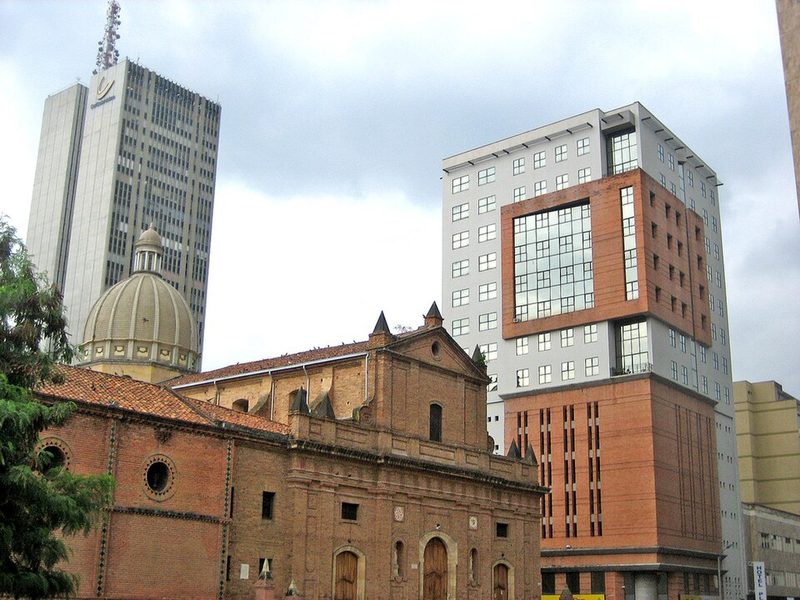
The urban landscape is textured by neighbourhoods of varying character—some colonial in feel, others thoroughly modern, many in active transformation. The historic district contains tourist attractions and cultural centres that document the city's past. A Christ the King monument (Monumento a Cristo Rey) stands as a major landmark.
The surrounding valley landscape is visible from higher points in the city; on clear days, the mountain ranges frame the urban sprawl. Parks and green spaces are woven through the urban fabric. Recent development includes the Sendero Verde Ecológico, an environmental corridor that has transformed urban connectivity and provided new spaces for movement and gathering.
Street culture is energetic. Live music is genuinely present, not manufactured for visitors. Dance is visible in parks and public spaces. The city pulses with commercial activity, street vending, and informal commerce that characterises working urban centres in the region.
Is Cali Safe for Visitors?
The wider Valle del Cauca region has experienced periods of social instability, including security concerns related to armed activity in certain areas. The UK Foreign, Commonwealth and Development Office maintains an advisory to avoid non-essential travel to parts of Colombia, with regional warnings that vary by area. The US State Department also provides regional advisories for Colombia. Cali itself, as a major urban centre, is not under a blanket do-not-travel warning, but visitors should consult current official travel advisories from their government before planning any travel to the region and verify current conditions directly through official sources.
The city has undergone significant urban transformations in recent decades, with investments in cultural institutions, public spaces, and transport infrastructure reflecting a broader commitment to making Cali a liveable and attractive regional centre.
Getting There and Around
Alfonso Bonilla Aragón International Airport (formerly Palmaseca International Airport) is located between the nearby city of Palmira and Cali, serving as a major transport hub. The airport is Colombia's fourth-busiest in passenger volume and often functions as an alternate airport for Bogotá and other Colombian hubs, making it a significant gateway to the southwest region.
Access to Cali by road is possible via major motorways connecting to other Colombian cities. Local transport within and around the city should be researched through current local sources; specific details on bus terminals, taxi services, and other transit options are best confirmed directly with residents or local authorities before arrival.
Practical Notes
The city operates on Colombia time (UTC-5). Medical tourism services are available in Cali. Visitors should carry current identification and verify specific transport routes, business hours, and practical arrangements directly with local contacts, as information online may not reflect real-time conditions. Official travel advisories should be checked before planning any visit to Colombia.