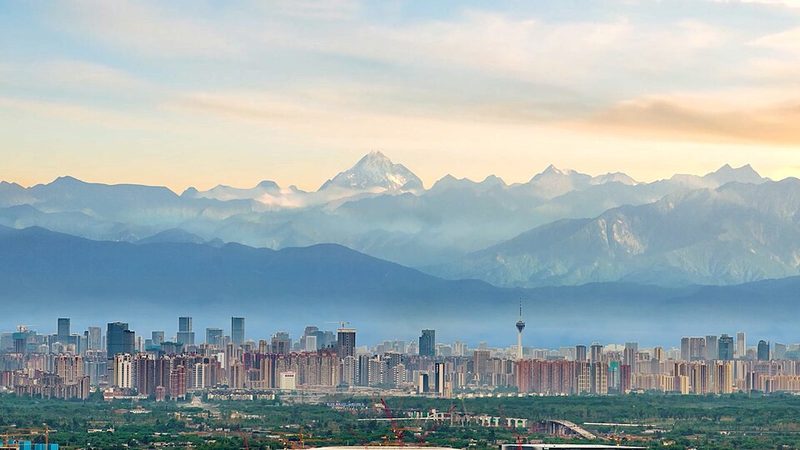


Chengdu sprawls across the fertile Chengdu Plain like a city that has learned to breathe slowly. With over 20 million people, it ranks among China's largest urban centres, yet it refuses to feel rushed—a characteristic that has earned it a reputation as one of the country's most laid-back metropolises. The capital of Sichuan province, Chengdu has served as a seat of power and culture for more than two millennia, and that deep history still shapes how the city carries itself.
First Impressions and Setting
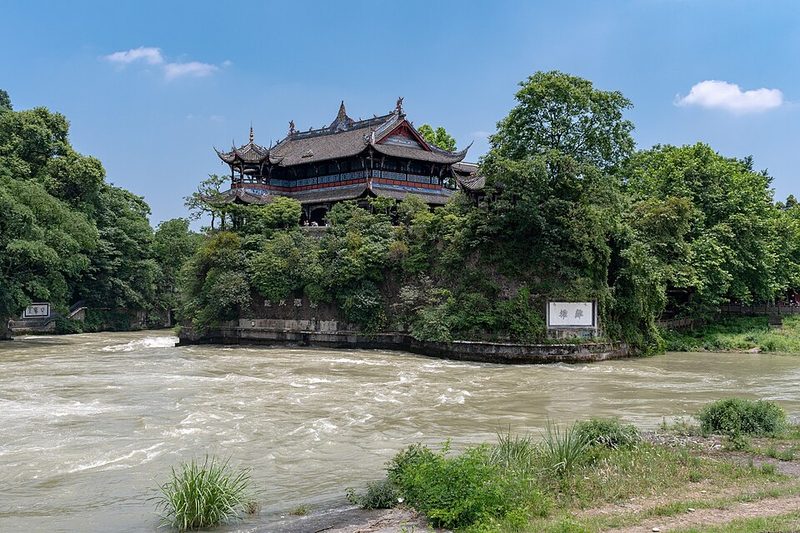
Arriving in Chengdu, you notice immediately that the landscape works with the city rather than against it. The plain on which it sits is ancient agricultural territory, fed by irrigation systems so sophisticated they were engineered over two thousand years ago and now form UNESCO World Heritage sites nearby. The soil here is among China's most fertile, and this abundance has always mattered to how people live. Today that translates into green spaces woven through the urban fabric—parks, tree-lined streets, and a general sense of vegetation that feels uncommon in major Chinese cities. The climate is warm and temperate, with wet summers and drier winters, which keeps things lush much of the year.
The city itself sprawls rather than towers dramatically. Neighbourhoods have distinct character—historic streets like Kuanzhaixiangzi Alleys preserve older courtyard architecture, while modern commercial zones have sprung up around transport hubs. Walking feels like the natural way to move through much of the city, and in that walking you will encounter the teahouses that have defined Chengdu's social fabric for centuries. These are not tourist attractions grafted onto the landscape; they remain embedded in how local life actually unfolds.
History, Identity and Local Stories
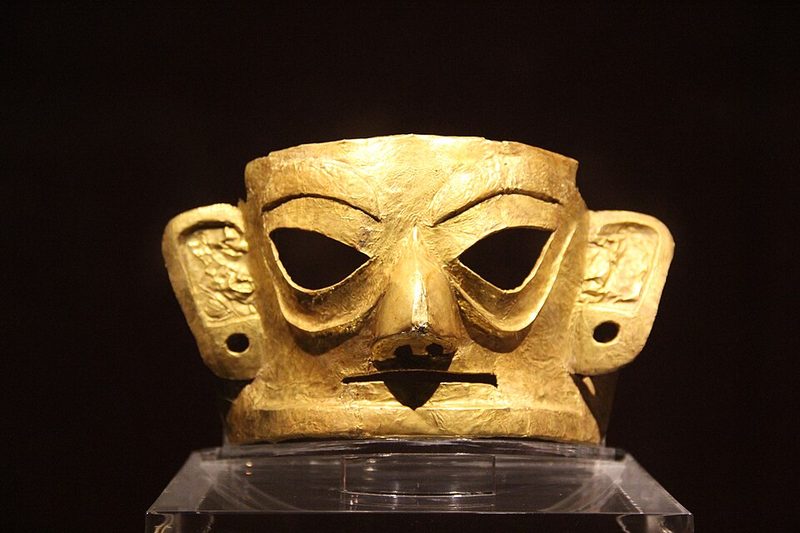
The name Chengdu means "become a capital," a title the city earned and kept. It served as capital for various dynastic states and has been a major administrative centre through most of recorded history. That longevity matters. It means the city contains archaeological layers—sites like Jinsha and Sanxingdui, which have revealed evidence of the ancient Shu civilization, sit within or near the urban footprint. The Golden Sun Bird artifact from the Jinsha Site has become an emblem of that deep past.
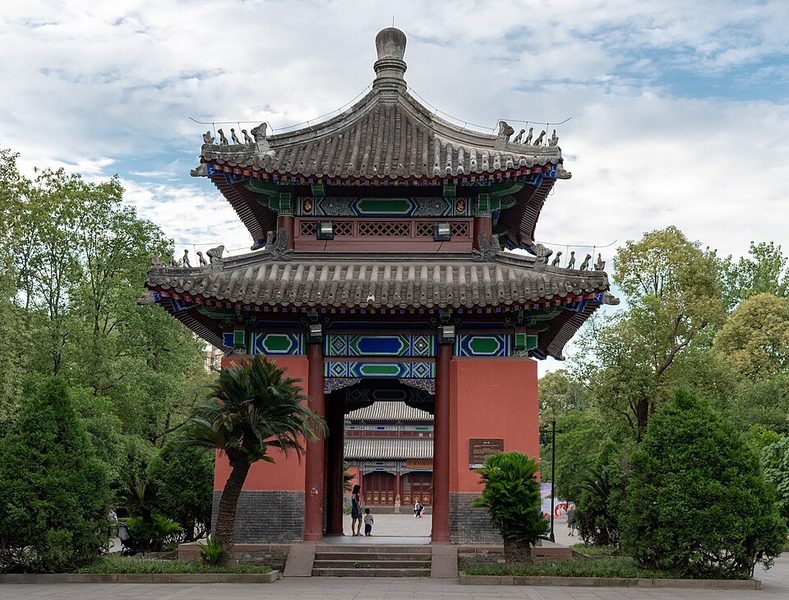
Medieval Chengdu was renowned for its poetry and literary culture, traditions that have never entirely faded. The Tang Dynasty poet Du Fu lived and wrote here; his former residence survives as a preserved site and remains central to how the city understands its own cultural identity. The Three Kingdoms period left its mark too—temples and shrines dedicated to that era still stand and attract both local visitors and pilgrims. Buddhist and Taoist temples are scattered throughout the city, evidence of spiritual traditions that have rooted themselves here over centuries. The Wenshu Monastery, Daci Temple, and Qingyang Palace represent ongoing practice rather than museum pieces.
Daily Life, Economy and Culture
Chengdu accounts for roughly a third of Sichuan's economic output, which tells you something about its regional weight. The manufacturing base is substantial and diverse—chemicals, electronics, textiles, and machinery form the backbone, while over a hundred of the world's largest corporations maintain operations here, including names like Toyota, Motorola, IBM, Canon, and Nestlé. The city has become particularly significant as a hub for consumer electronics manufacturing, including iPad production. This industrial presence shapes the rhythm of the city and provides employment for millions, though it remains largely invisible to visitors moving through central neighbourhoods.
What is immediately visible is food culture. Chengdu is the epicentre of Sichuan cuisine, meaning the food here is distinctive, fiery, and taken seriously. Hot pot dining—where diners cook ingredients in communal broths at the table—is not just a meal but a social ritual embedded in local life. Beyond restaurants, the city has developed a significant financial sector and a growing service economy, which reflects its rising prominence as a destination for investment and talent.
Mahjong remains woven into social life, as does the farm-stay tourism tradition known locally as "Nong Jia Le," where visitors spend time in rural settings practicing leisure activities. These are not invented experiences; they reflect how people here actually spend their free time.
What Visitors Notice
The Chengdu Research Base of Giant Panda Breeding is the single most recognizable attraction and draws visitors from across the world to encounter the endangered animals and learn about conservation efforts. Beyond that, the nearby UNESCO World Heritage sites—the Dujiangyan Irrigation System and Mount Qingcheng—offer natural and historical depth within accessible distance.
Within the city itself, historic districts and streets have been preserved or reconstructed in ways that feel organic rather than theme-park artificial. Kuanzhaixiangzi, Jinli, and Chunxi Road each carry different character. The Wuhou Shrine, Du Fu's Thatched Cottage, and various temples offer windows into different periods of the city's past. The Huanglongxi and Luodai historic towns nearby retain village character while attracting local day-trippers.
Visitors often remark on the laid-back pace and the visibility of local culture—the teahouses full of people playing cards or mahjong, the prevalence of green space, and the general sense that life here does not move at the frantic speed associated with coastal Chinese megacities.
Getting There and Around
Chengdu Shuangliu International Airport serves the city and offers both domestic and international connections. The Chengdu railway station, located on North Second Ring Road in Jinniu District, is a major hub on China's national rail network and handles significant passenger traffic. The city is integrated into the country's high-speed rail system, making overland connections to other major centres straightforward.
Within the city, local transport includes buses and taxis. The city's metro system continues to expand. For longer journeys to nearby attractions, local bus services connect to destinations like the panda research base and historic towns.
Practical Notes
Chengdu's population exceeds 13 million within the main urban area, though metropolitan figures run considerably higher. The city sits at 499 metres elevation, giving it a climate distinct from lower-lying regions. Like much of southern China, the typhoon season runs from May to November; while Chengdu's inland location limits direct exposure compared to coastal areas, travellers should monitor weather advisories during this period. Standard travel insurance and awareness of local conditions remain sensible precautions for any visit to mainland China.