In This Guide
Colorado Springs stands at nearly 1,900 metres above sea level on the eastern edge of the Colorado Front Range, where the high plains give way to the sharp rise of Pikes Peak. With a population of around 478,000 at the 2020 census, it is Colorado's second most populous city and its most extensive by area — a sprawling, car-oriented metropolitan centre that nonetheless sits within easy reach of some of the most distinctive natural scenery in the American West. The city is widely nicknamed Olympic City USA, a reflection of its long association with elite sport and the presence of Olympic training facilities.
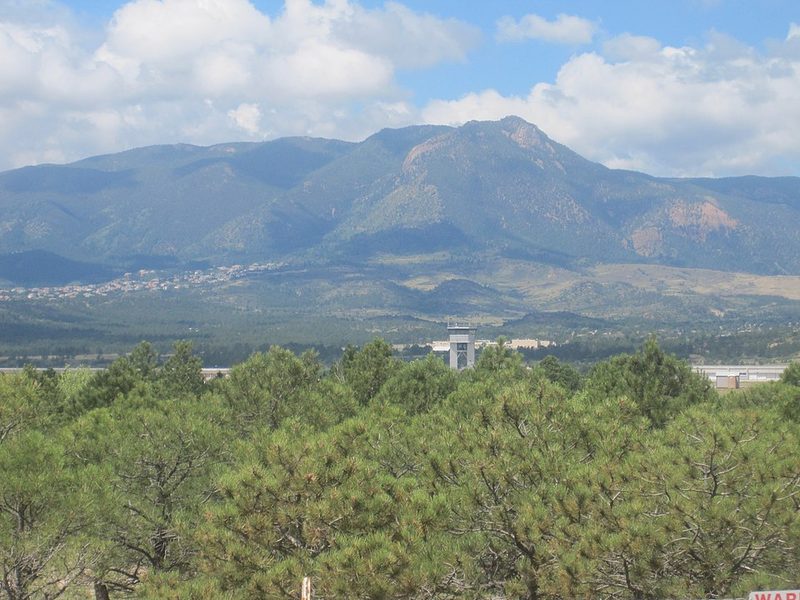
Two features define Colorado Springs in the minds of most visitors: the proximity to Pikes Peak, which dominates the western skyline at over 4,300 metres, and Garden of the Gods — a public park of towering red sandstone formations within the city itself, free to enter and ranked among the most-visited parks in the United States. Between these natural anchors sits a functioning modern city with a substantial military presence, a Victorian-era downtown core, and a dry, sunny climate that sees over 300 days of sunshine per year.
Setting and First Impressions
The elevation is the first thing many visitors notice. Arriving from sea level, the thinner air is palpable, and altitude-related fatigue is common for the first day or two. The light has a particular clarity typical of high, dry climates. The city spreads considerably across the foothills terrain — streets slope noticeably as you move west, and the mountain backdrop is a constant visual reference. Fountain Creek runs through the urban area, shaping parks and open corridors, though it is a modest waterway by most standards.
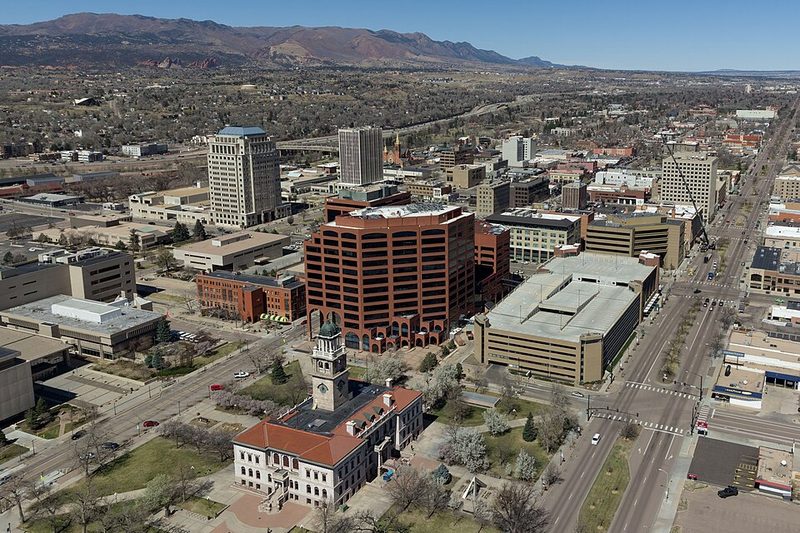
The urban texture is varied. The Old North End neighbourhood contains period architecture from the Victorian founding era. Old Colorado City, to the west, is a walkable district with a distinct historic character and a concentration of restaurants and shops. Downtown Colorado Springs runs along Nevada Avenue and the surrounding streets, spread over a considerable distance rather than concentrated in a tight core. The city does not have the density of major eastern metropolitan centres, which some visitors find refreshing and others find makes navigation without a vehicle difficult.
History and Identity
Colorado Springs was founded in 1871 as a deliberate resort destination by General William Jackson Palmer, builder of the Denver and Rio Grande Railway — an unusual origin that distinguished it from the mining and trade towns that characterised much of Colorado's early settlement. Palmer envisioned an English-style resort community, and that aspiration left its mark in the Victorian character of certain districts that remains visible today.
The surrounding region has deeper industrial layers. In the mid-nineteenth century, coal extraction from approximately 50 mines in the area supported towns built specifically to house mining workers, some of which were eventually absorbed into the expanding city. That heritage is largely invisible now but shaped the pattern of working-class neighbourhoods in the city's older districts.
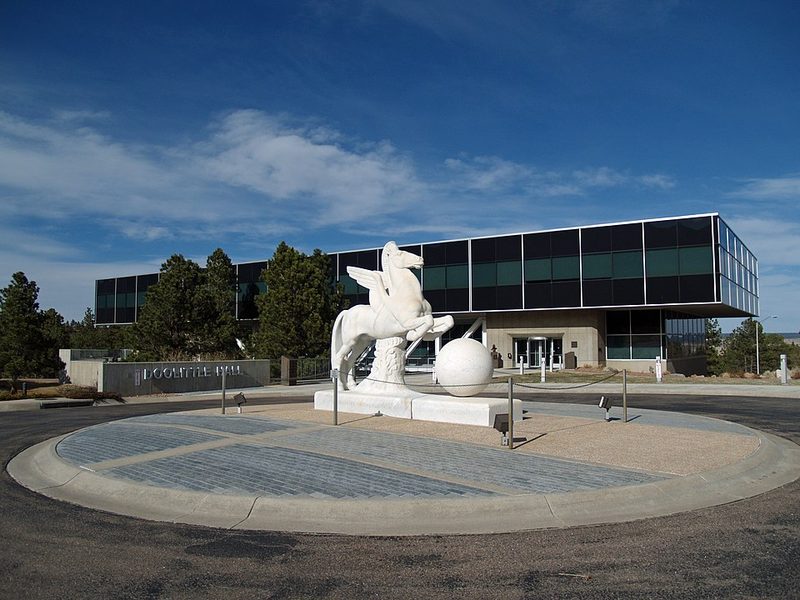
The military has been a defining force in modern Colorado Springs. Fort Carson lies to the south. The United States Air Force Academy, established north of the city after a site-selection process that evaluated over 300 locations across 22 states, opened its permanent campus in 1958 and graduated its first class in 1959; it now enrols around 4,000 cadets. NORAD (the North American Aerospace Defense Command), which monitors air activity across the continent, is also based near the city. The combined military presence makes Colorado Springs one of the most significant defence communities in the United States.
Garden of the Gods
Garden of the Gods is a city-owned public park containing red sandstone formations that rise over 90 metres above the surrounding terrain. The rock formations were created during the Laramide Orogeny, a geological upheaval that shaped much of the Rocky Mountain region. The park's name dates to 1859, when a surveyor named Rufus Cable, visiting the site with a colleague, declared it "a fit place for the gods to assemble." The land was donated to the City of Colorado Springs in the late nineteenth century by the family of Charles Elliott Perkins, with the condition that it remain free to the public — which it has. Visitors should be aware that the car park and main viewpoints can be very busy, particularly at weekends and during summer; arriving early in the morning is generally advisable.
Pikes Peak
Pikes Peak, at 4,302 metres, is the highest summit of the southern Front Range and one of the most visited mountains in the United States. It is accessible by the Pikes Peak Highway (a toll road) or by the Pikes Peak Cog Railway, which operates from Manitou Springs. The summit visitor centre — rebuilt and reopened in 2021 — sits above the treeline and offers panoramic views across the plains to the east and the mountain ranges to the west. Visitors should check current road and railway conditions before travel, as weather on the summit can change rapidly and access is sometimes restricted. The effects of altitude at the summit are significant — even visitors well-acclimatised to Colorado Springs' 1,838 metres may feel the difference at over 4,300 metres.
Manitou Springs
Manitou Springs is a small, walkable town immediately west of Colorado Springs, at the base of Pikes Peak. It functions as something of a complement to the main city: historic, compact, with a concentration of restaurants, independent shops, and access to hiking trails. It is consistently recommended as a base by those familiar with the area, particularly for visitors who prefer a walkable environment. Manitou Springs also provides access to the Manitou Cliff Dwellings, which preserve and display structures associated with the Ancient Puebloan people, and to the Cave of the Winds cave system.
The US Air Force Academy
The United States Air Force Academy campus, located north of the city, is open to visitors. The grounds include Falcon Stadium, the Academy's striking modernist Cadet Chapel (a nationally recognised architectural landmark), and Arnold Hall, which contains exhibits honouring Air Force personnel. Guided walking tours are available. The Academy enrols approximately 4,000 cadets and employs around 723 faculty members. Visitors should check current access requirements before arrival, as security procedures apply to the campus.
Getting There and Around
Colorado Springs is approximately 100 kilometres south of Denver via Interstate 25, which runs through the city. Colorado Springs Airport offers scheduled commercial flights, though Denver International Airport (with its broader range of connections) is within around 90 minutes' drive. The city is oriented around personal vehicle use — the metropolitan area covers a large footprint and public transportation options are limited compared to denser American cities. Rideshare services operate in the city. Manitou Springs and Old Colorado City are more walkable than most of the metropolitan area, making them practical bases if you are not travelling by car.
Practical Notes
The altitude of 1,838 metres affects many visitors arriving from lower elevations. Symptoms including headache and fatigue are common in the first 24–48 hours; drinking water and avoiding strenuous activity on the first day is advisable. The climate is dry and generally sunny, with low humidity. Temperature swings between day and night can be significant, and afternoon thunderstorms are common in summer. The winters bring snow, though the city is generally well-adapted to winter conditions.
The UK Foreign, Commonwealth & Development Office advises normal precautions for travel to the United States. No specific travel warnings apply to Colorado Springs. Visitors should follow standard precautions applicable in any large American city and consult the UK FCDO travel advice for the USA or the US State Department advisory for current guidance.
Pikes Peak
Pikes Peak — known as America's Mountain — is the defining feature of Colorado Springs. Standing at 4,302 metres (14,115 feet) above sea level, it is one of Colorado's most visited natural landmarks and visible from much of the city. The mountain has shaped Colorado Springs since before the city existed: it drew settlers, inspired poets and gave the region its enduring identity.
Sources: Pikes Peak - Visit Colorado Springs • Pikes Peak - Wikipedia • The Broadmoor Manitou and Pikes Peak Cog Railway - Visit Colorado Springs • Day Trip from Denver - Riding the Pikes Peak Cog Railway - Visit Denver • Pikes Peak - Colorado.com
United States Air Force Academy
The United States Air Force Academy sits on the northern edge of Colorado Springs and is open to visitors in designated public areas. It is best known for its Cadet Chapel — constructed in 1962, designated a National Historic Landmark, and widely regarded as the most visited man-made attraction in Colorado. The Chapel's 17 aluminium spires rise 46 metres above the campus, creating an immediately recognisable silhouette.
The Academy was established after a 1949 site selection process that reviewed over 300 candidate locations across 22 states. Construction began in 1954, and the first class of cadets graduated in June 1959. Today it enrols approximately 4,000 cadets and serves a community of around 25,000 people.
The Barry Goldwater Visitor Center is the public entry point, offering exhibits on cadet life and Academy history. A paved trail leads from the Visitor Center to the Cadet Chapel. Visitors should confirm current access procedures and hours before arriving, as security requirements can change. Entry to the public areas is free.
Read the full United States Air Force Academy guide
Sources: US Air Force Academy - Visit Colorado Springs • Self-Guided Tour - United States Air Force Academy • United States Air Force Academy - Wikipedia • USAFA - Uncover Colorado • USAFA Founding - National Park Service
Garden of the Gods
Garden of the Gods is a 1,341-acre public park within Colorado Springs, free to enter and open year-round. Its red, pink and white sandstone formations — some rising more than 90 metres — are among the most visually arresting geological features in the American West. The park sits at the western edge of the city, where the plains give way to the foothills, and its distinctive rock towers are visible from considerable distances across Colorado Springs.
Sources: Garden of the Gods - City of Colorado Springs • Garden of the Gods - Wikipedia • Garden of the Gods Park History and Ecology • Garden of the Gods - Visit Colorado Springs • Garden of the Gods - Colorado Springs Museum • Garden of the Gods History - Visit Colorado Springs
Manitou Springs
Manitou Springs is a small city of its own — distinct from Colorado Springs though directly adjacent to it — sitting in a narrow valley at the foot of Pikes Peak, roughly five kilometres west of the Colorado Springs city centre. For visitors based in Colorado Springs, it functions as the most accessible day destination and is the gateway to both Pikes Peak and the western edge of Garden of the Gods. Its character is markedly different from the larger city: walkable, compact and organised around its historic mineral springs.
Sources: Visit Manitou Springs - Official Tourism Site • Explore Manitou Springs - Official Tourism • Manitou Springs Visitors - Official City Site • Manitou Springs - Visit Colorado Springs