

What Copenhagen is known for
Copenhagen is Denmark's capital and the commercial hub of the wider Nordic region—a waterfront city where cycling dominates daily movement and where medieval history sits alongside contemporary architecture. With a municipal population of 667,000 and 1.4 million in the urban area, it occupies a strategic position on the islands of Zealand and Amager, separated from Malmö, Sweden, by the Øresund strait. The Øresund Bridge, opened in 2000, links the two cities by rail and road, creating the economically integrated Øresund Region. The city spreads across flat terrain just metres above sea level, with water threading through neighbourhoods—a legacy of its founding as a harbour settlement nearly a thousand years ago.
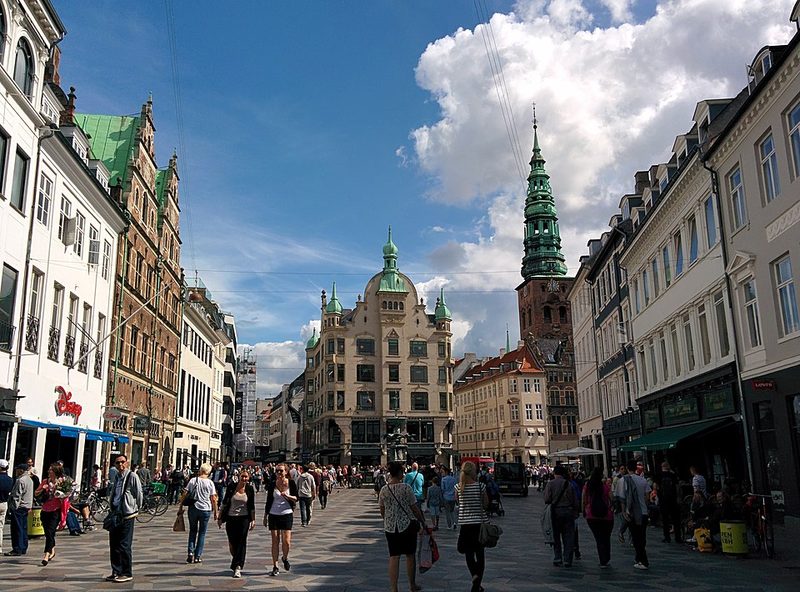
The city's density—around 6,200 people per square kilometre in the core—supports a compact urban fabric where distinct neighbourhoods remain walkable. Bicycles are the defining transport mode, with extensive dedicated infrastructure carrying schoolchildren, professionals, and residents as their primary means of movement. Royal palaces and ramparts from earlier centuries occupy space alongside glass-fronted office towers; neighbourhood cafés line ground floors beneath apartments; streets prioritise riders over cars.
History and Renewal
Founded in the tenth century as a harbour settlement, Copenhagen gained city status by the thirteenth century and became Denmark's capital in the fifteenth. This elevated role brought strategic importance but also vulnerability. The Protestant Reformation brought repeated sackings; wars with Sweden in the late 1650s resulted in sieges; British bombardment during the Napoleonic era inflicted further damage. Each destruction reshaped the city physically. The demolition of medieval fortifications in 1856 marked a turning point, opening land for expansion beyond defensive constraints and allowing the modern city to emerge.
Copenhagen also played a role in twentieth-century intellectual history. The 1941 meeting between physicists Niels Bohr and Werner Heisenberg—dramatised in Michael Frayn's play "Copenhagen"—remains a significant moment in the history of quantum physics and wartime ethics.
Economy and Life Sciences
Today Copenhagen anchors Medicon Valley, a cross-border region that has become a global centre for life sciences. The scale is substantial: four universities focused on life sciences educate 50,000 students and produce 2,000 PhDs annually; over 150 biotech companies and 200 medtech firms operate in the area; 22 hospitals, including 11 university hospitals, support clinical research. Denmark ranks second globally for biotechnology development and first in Europe for clinical trials per capita. Healthcare and life sciences employ more than 40,000 people in the region, with €5.6 billion in investment underway for hospital construction and renovation.
Beyond the laboratory, the city's economy encompasses creative industries, smart city technology, cleantech innovation, food production, and transport logistics. The restaurant scene is noted as strong, and the city presents itself as a testing ground for urban sustainability initiatives.
What Visitors Will Find
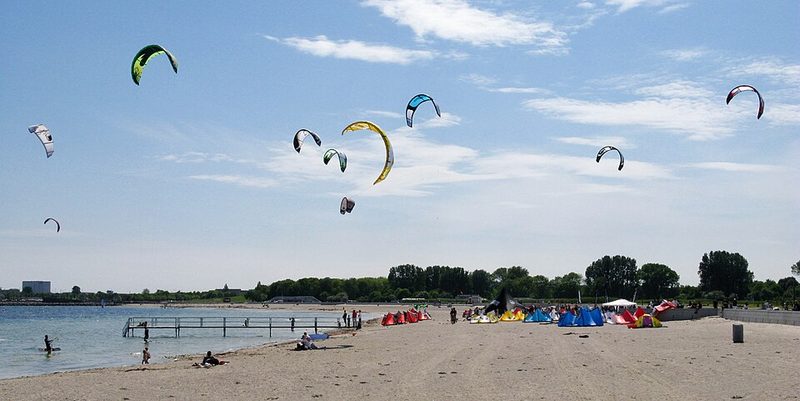
The presence of bicycles shapes how visitors move through Copenhagen. Everyone rides—dedicated cycling lanes mean this is not recreational but daily transport. Water is constantly visible: canals, harbours, and public waterfront spaces remind you that Copenhagen remains a maritime city centuries after fishing defined it.
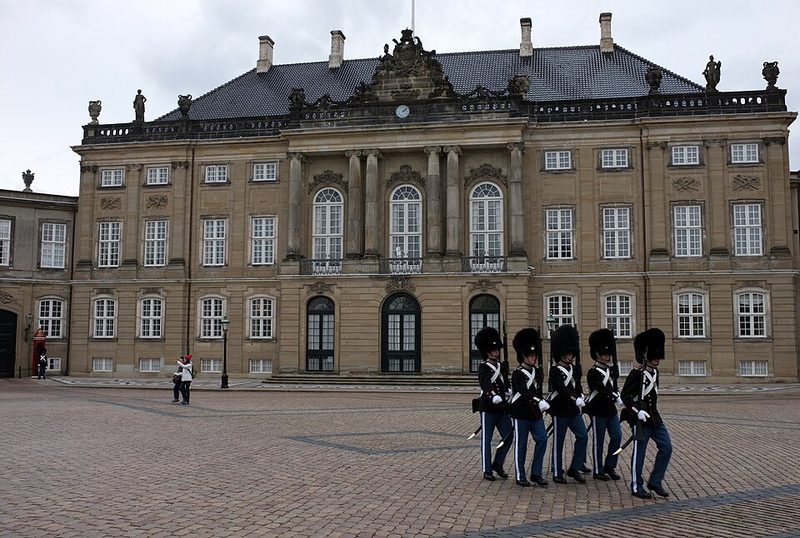
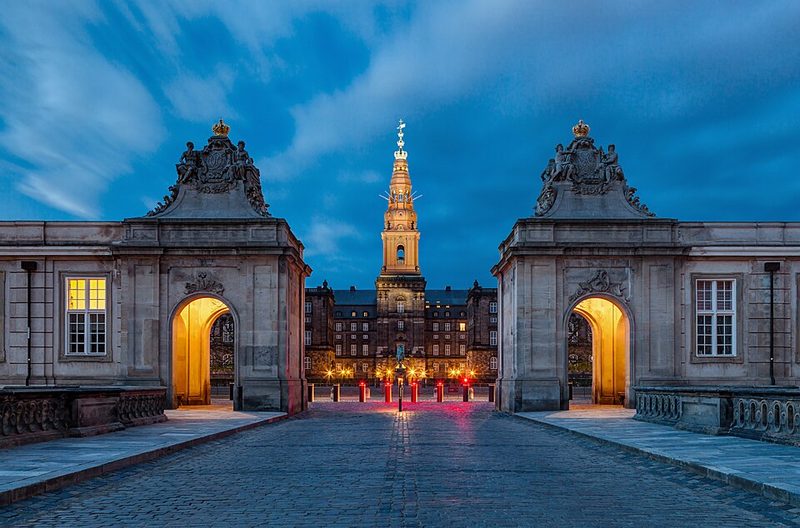
Architecture mixes visibly across periods. Royal and administrative buildings anchor historic districts; nineteenth-century residential blocks define neighbourhoods; recent decades have added contemporary structures. Public spaces—squares, quays, parks—reflect investment in shared amenities and careful design.
The scale is walkable. Central Copenhagen feels compact on foot, though the metropolitan area spreads across 3,030 square kilometres. The contrast between the dense core and suburban zones becomes apparent if you travel outward.
Principal Attractions
Tivoli Gardens, an amusement park opened in 1843 in the city centre, is noted for its old-world charm, gardens, and rides. The park inspired Walt Disney and operates seasonally, with peak visitors on weekends. Nyhavn, the historic harbour district with colourful facades, was formerly a merchant shipping hub and remains a compulsory stop for visitors. The Little Mermaid statue, based on Hans Christian Andersen's fairy tale, is Copenhagen's most recognised landmark.
The Church of Our Saviour (Vor Frelsers Kirke) offers views over the city from its external spiralling staircase, with sightlines to Christiansborg Palace, Marmorkirken, and other historic buildings. The neighbourhood of Vesterbro is noted for small bars and side streets, whilst the Meatpacking District (Kødbyen) and Reffen Street Food offer contemporary dining options.
Is Copenhagen Worth Visiting?
Copenhagen offers a distinct Nordic urban experience centred on design, sustainable living, and cycling culture. The city combines accessible architecture, a strong restaurant scene, and year-round activity. It functions well as a short break destination and as a gateway to the wider Øresund Region and Denmark. Visitors interested in urban planning, life sciences, or Scandinavian design will find the city particularly relevant.
Where to Stay in Copenhagen
Vesterbro and Nørrebro are noted by residents as neighbourhoods with character, bars, and side streets. Indre By (the inner city) provides central positioning near Nyhavn and principal attractions. Frederiksberg and Østerbro are noted as residential areas, with Østerbro offering parks and a quieter environment. Visitors prioritising proximity to transport and sights typically focus on Vesterbro, Nørrebro, or Indre By. Accommodation options should be verified for current availability and pricing.
How Many Days Do You Need in Copenhagen?
Two to three days allows coverage of principal attractions, cycling through neighbourhoods, and experiencing the waterfront. Visitors interested in museums, day trips to Malmö via the Øresund Bridge, or deeper exploration of districts may prefer four to five days. The compact core means even a single full day provides exposure to the city's character, though this limits depth.
Is Copenhagen Safe for Visitors?
The UK Foreign, Commonwealth & Development Office advises normal precautions for Denmark with no specific restrictions. The US State Department currently advises Level 2 (Exercise Increased Caution) for the Kingdom of Denmark due to ongoing terrorism threat assessments, though no specific imminent threats are detailed. Visitors should maintain standard awareness in public venues and transport hubs. Check current official travel advisories before departure, as threat assessments change.
Getting There and Moving Around
Copenhagen is accessible by air, rail, and road. The Øresund Bridge connects the city to Malmö and onward to Sweden. Public transport includes metro, local rail, and buses; the Copenhagen Card offers combined transport and attraction entry. Cycling infrastructure is extensive—bicycle rental is widely available and represents the most culturally authentic way to navigate the city. Walking is practical within the central districts.
For current airport connections, train schedules, ferry services, and public transport pricing, consult official sources before arrival, as details and routes change regularly.
Climate and Timing
Copenhagen does not hibernate in winter. Locals emphasise that "Copenhagen is warmest when it's cold," meaning cultural activity and city life continue year-round. Tivoli Gardens operates seasonally, with distinct offerings for summer, October Halloween, and the December Christmas market. The city remains functional and active across all seasons, though daylight hours in winter are limited. Summer provides extended daylight and outdoor dining along the waterfront.
Practical Notes
The official tourism portal at visitcopenhagen.com provides current event information, schedules, and planning guides. Danish currency is the krone (DKK). English is compulsory in Danish schools from first grade, and proficiency is widespread. The city's time zone is Europe/Copenhagen (Central European Time).
Visitors should verify opening hours, ticket prices, and transport schedules locally, as these change and require current confirmation.