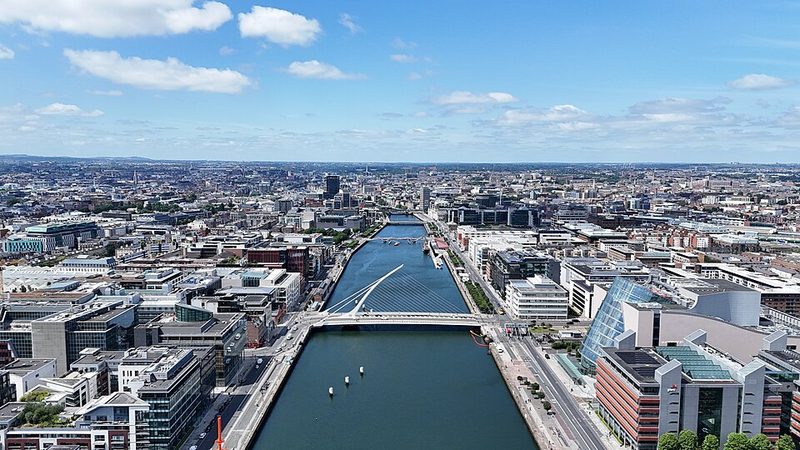


Dublin is Ireland's capital and largest city, situated where the River Liffey meets Dublin Bay on Leinster's eastern coast. The metropolitan area holds over 1.2 million people, making it the island's most populous urban centre. The city is compact and genuinely walkable, with Georgian streetscapes, Viking-era origins, a deep literary heritage, and an active pub culture defining its character. The Dublin Mountains rise to the south, whilst the bay opens to the east, giving the city a maritime edge.
Arriving and Orienting Yourself
The city sits at just 17 metres above sea level and spreads across both sides of the River Liffey. Georgian townhouses with dark doors and multi-pane windows create a unified streetscape on the southside, particularly around Merrion Square and adjoining neighbourhoods. The Northside has its own identity centred on O'Connell Street and Henry Street, home to Moore Street's open-air market—Dublin's oldest, trading fruit and vegetables since the 18th century.
Dublin Airport serves international and European routes. Within the city, most central areas are accessible on foot. Local buses and taxis provide additional transport. Ferry services operate from the port for connections to Britain. Rail links extend to other parts of Ireland.
Historical Foundations
Dublin was first occupied by Viking traders around 988 AD at the confluence of the River Poddle and Liffey, where a dark tidal pool gave the settlement its English name. The Irish name, Baile Ãtha Cliath, refers to an earlier ford crossing. Unlike most Irish place-names, Dublin's English and Irish versions are unrelated—a linguistic artifact of Norse heritage.
The Georgian era left the deepest architectural mark. Merrion Square, restored to its 18th-century layout, preserves this period with particular clarity. Oscar Wilde spent his childhood at number 1 Merrion Square; his childhood home is now open to visitors, and a memorial sculpture stands in the park honouring the writer.
Literary Heritage
James Joyce set his novel Ulysses in Dublin's streets, despite spending much of his life abroad. That connection spawned Bloomsday, celebrated annually on 16 June by readers retracing Joyce's fictional routes. The wider literary tradition includes W.B. Yeats and Sean O'Casey, and the city hosts international literature festivals throughout the year.
What to See
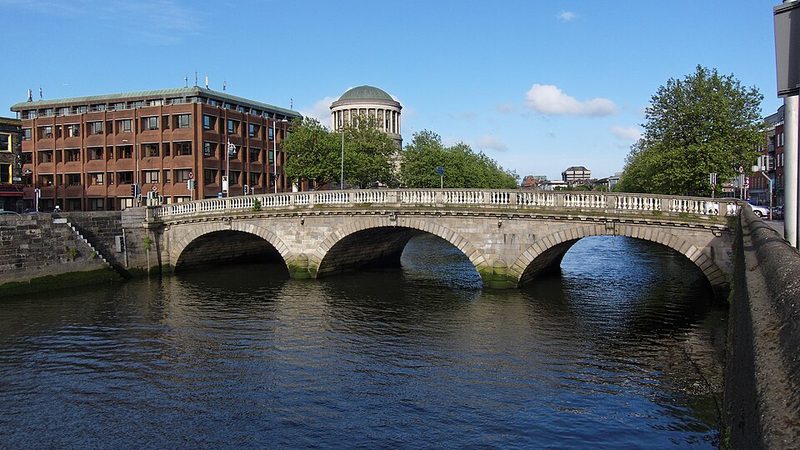
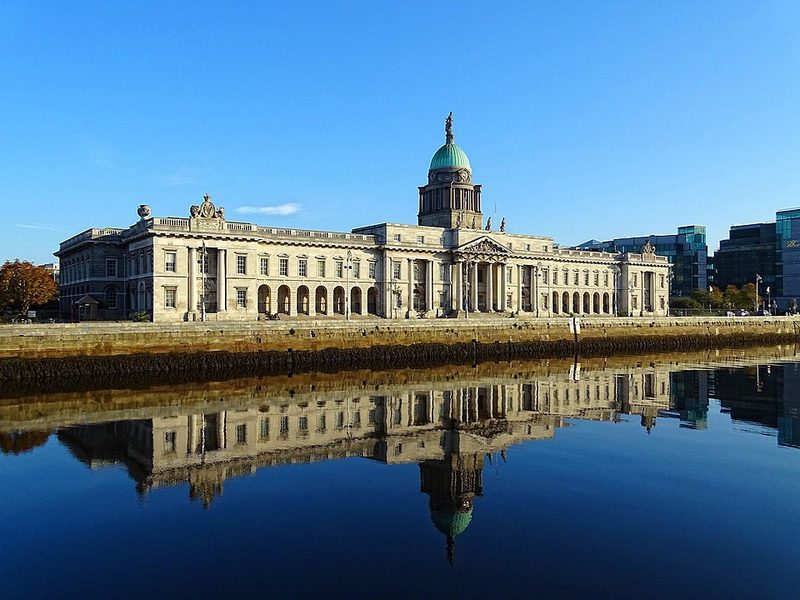
The River Liffey itself provides a frame for exploring—each bridge crossing offers a different perspective, and the tidal character means its appearance shifts across the day. Trinity College, Temple Bar, St. Patrick's Cathedral, and Christ Church Cathedral anchor the south and centre. St. Michan's Church and the Garden of Remembrance serve the north.
Phoenix Park, one of Europe's largest urban parks, spreads across the Northside with woodland and open space. St Stephen's Green and Merrion Square Park provide breathing room in the city centre.
Museums are scattered rather than concentrated in a single quarter. The National Archaeology Museum, National Gallery, Decorative Arts & History Museum, Hugh Lane Gallery, Irish Museum of Modern Art, and Natural History Museum each draw visitors into different neighbourhoods. Kilmainham Gaol and Dublin Castle carry the weight of the city's role in Irish independence and governance. The Jameson Distillery and Guinness Storehouse appeal to those interested in Irish drink heritage.
Daily Life and Culture
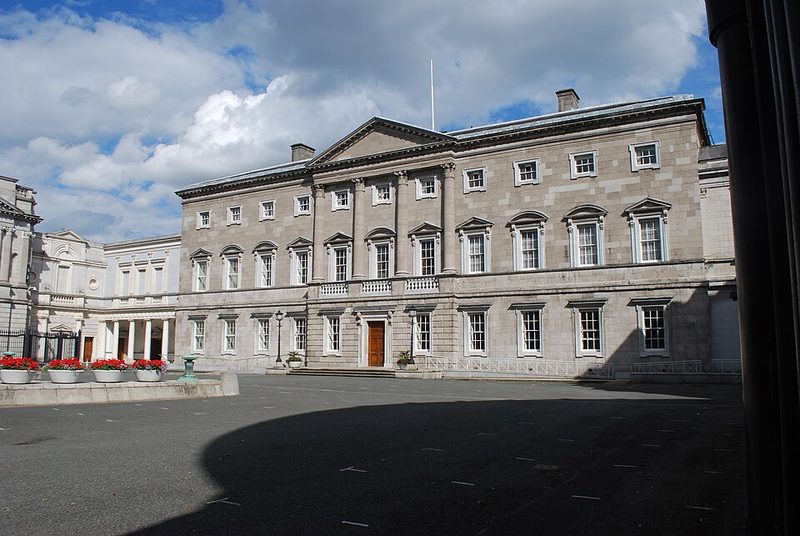
Dublin functions as Ireland's administrative centre, drawing workers and students from across the country. Technological University Dublin, established in 2019, is the second-largest third-level institution in Ireland with roughly 28,500 students. The university's history reaches back to 1887 through the Dublin Institute of Technology, which grew from the City of Dublin Technical Schools—Ireland's first technical education institution.
St. Patrick's Festival, the International Literature Festival, Bloomsday celebrations, the Taste of Dublin festival, and the Dublin Fringe Festival shape the cultural calendar. Pub culture remains central—informal, social, and deeply woven into how residents and visitors experience the city.
Temple Bar: Tourist Centre or Local Scene?
Temple Bar occupies a compact area south of the Liffey in the city centre. The district draws tourists in large numbers, and most pubs there charge significantly higher prices than elsewhere in Dublin. Locals generally avoid the area. For visitors seeking a more representative pub experience, neighbourhoods beyond Temple Bar offer better value and a less tourist-focused atmosphere.
Is Dublin Worth Visiting?
Dublin offers a concentrated mix of literary history, Georgian architecture, accessible museums, and pub culture within a compact, walkable centre. The city functions well as a base for exploring the surrounding region, including the Wicklow Mountains to the south. Whether it justifies a dedicated visit depends on interest in Irish history and culture, but the city's scale means visitors can cover the main sights in two to three days.
Where to Stay in Dublin
The southside around Merrion Square and adjoining Georgian neighbourhoods offers proximity to museums and period architecture. The area around St Stephen's Green provides central access. Temple Bar is walkable to major sights but commands tourist-level pricing. Specific accommodation choices should balance budget, preferred atmosphere, and walking tolerance.
How Many Days Do You Need?
Two to three days covers the core museums, Georgian quarters, and main cultural sites at a reasonable pace. An additional day allows for a day trip to the Wicklow Mountains or coastal areas. The compact centre means visitors can see the main attractions without extensive time commitment.
Safety and Practicalities
Ireland has no countrywide travel restrictions. UK FCDO and US State Department guidance recommend normal precautions for travel to Ireland. As with any urban centre, standard awareness of surroundings applies. Check current official travel advice before departure.
Dublin operates on the Europe/Dublin timezone and uses the euro (EUR). The city coordinates are 53.33°N, 6.25°W. Population of the metropolitan area exceeds one million. Advance bookings for accommodation and major attractions are sensible during peak seasons.