

What Durban is known for
Durban sprawls across the east coast of South Africa where the warm Indian Ocean meets KwaZulu-Natal, a city of over three million people where colonial history, industrial ambition, and diverse communities have shaped something altogether distinct from the rest of the country. As the third-largest city in South Africa and home to Africa's busiest port, Durban is a working city first—a place where freight containers and tanker ships outnumber tour buses, and where the rhythm of trade has defined the landscape for nearly two centuries. Yet it remains a humid, ocean-facing settlement with a character all its own: part Victorian port town, part modern industrial hub, part gateway to the inland reserves and coastal stretches that draw visitors seeking warmth and escape.
First Impressions and Setting
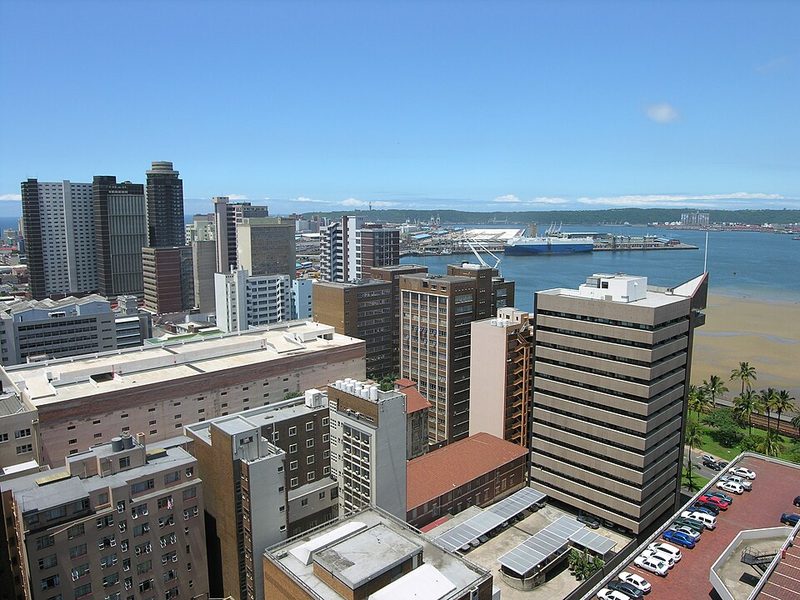
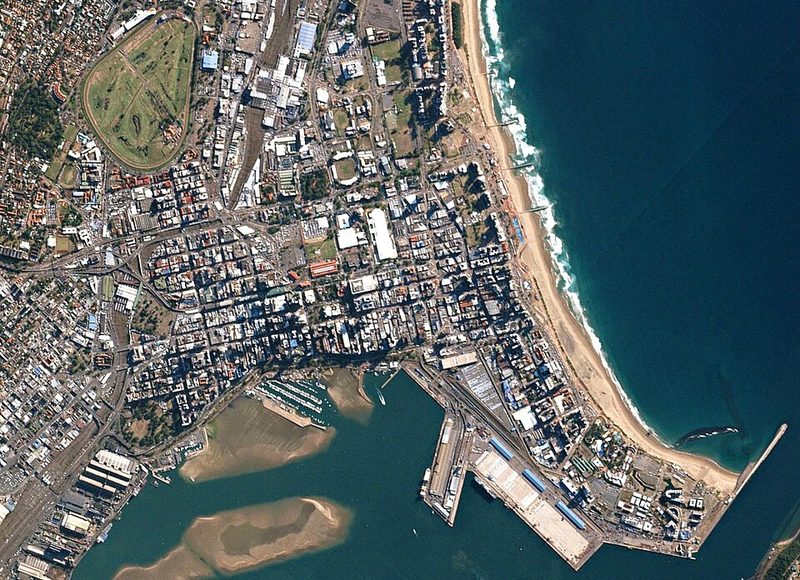
Durban sits low and close to sea level on a bay that Portuguese navigator Vasco da Gama named Rio de Natal when he sailed past on Christmas Day 1497, a name the region still carries. The city rises from the flat harbour and city centre westward toward the hills of the Berea; to the south, the Bluff runs along the coast; and to the north, the Umgeni River meets the sea. The landscape is subtropical and humid, shaped by the warm Agulhas Current that keeps the Indian Ocean inviting year-round. What was once mangrove swamp and hippo country—a bay guarded by a sand bar, its banks thick with elephants, rhino, and lions—has become one of sub-Saharan Africa's most consequential ports and a city of sprawling neighbourhoods, industrial zones, and waterfront redevelopment.
History, Identity and Local Stories
Before European contact, the area was inhabited by Khoi and San peoples. The first durable European settlement arrived almost accidentally in 1823 when storms forced two British trading ships, the Salisbury and the Julia, to anchor in the bay seeking shelter. Recognising the value of the anchorage, traders and settlers began to establish themselves, and by 1834 a fort had been built with the consent of local Zulu leaders. In 1835, just fifteen settlers proclaimed the formation of a town and named it Durban in honour of Sir Benjamin D'Urban, the Governor of the Cape at the time.
That small beginning would grow into the colonial and industrial force Durban became. Land was granted by Zulu King Shaka in the 1830s, though his successor Dingane proved less welcoming to European expansion. The settlement endured tensions between colonial ambition and Zulu sovereignty that would define the region's nineteenth-century history. Later, Indian workers were brought to the developing economy, contributing a cultural layer that remains visible in the city's architecture, place names, and religious traditions. Durban's identity is bound up with these layered histories—Zulu, British, Indian, and increasingly African—a complexity that shapes both its character and its contradictions.
Daily Life, Economy and Culture
Durban's economy rests fundamentally on the port and manufacturing. The harbour is not ornamental; it is Africa's largest commercial port by traffic, handling millions of tonnes of cargo annually. Around that hub sits a diversified industrial sector: sugar refining and processing, forestry products, aluminium, petrochemicals, automotive manufacturing, steel, plastics, packaging, paper and board. Food manufacturing, including spice production, is significant. These industries drive employment and shape the working life of hundreds of thousands of residents.
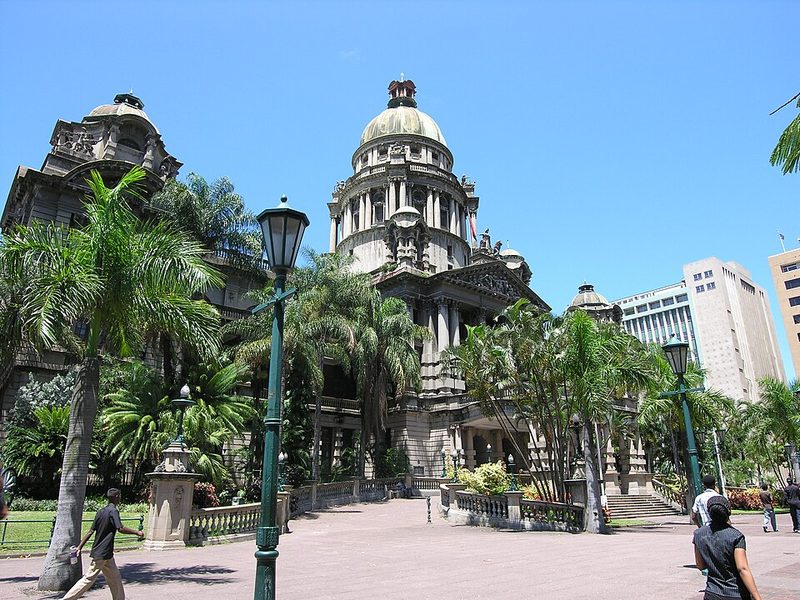
The city's cultural character reflects its demographic layers. Victorian and art deco architecture survives in older districts. Places of worship—temples, mosques, churches, and shrines—dot the city, physical reminders of the communities that have built lives here. Street life, markets, and informal commerce pulse through neighbourhoods. The waterfront has undergone redevelopment aimed at drawing leisure visitors, though the port remains the dominant presence.
What Visitors Notice
Most visitors arrive for the warm weather and ocean access. Durban is referred to in tourism contexts as a "perfect holiday paradise" because of its humid subtropical climate and the warm current. The city receives over one million visitors annually and serves as a gateway to national parks and animal reserves inland and along the coast. The contrast between industrial port and beach destination is immediate: container cranes visible across the bay, working ships in the harbour, and yet beaches, promenades, and entertainment zones draw people who come for rest and swimming.
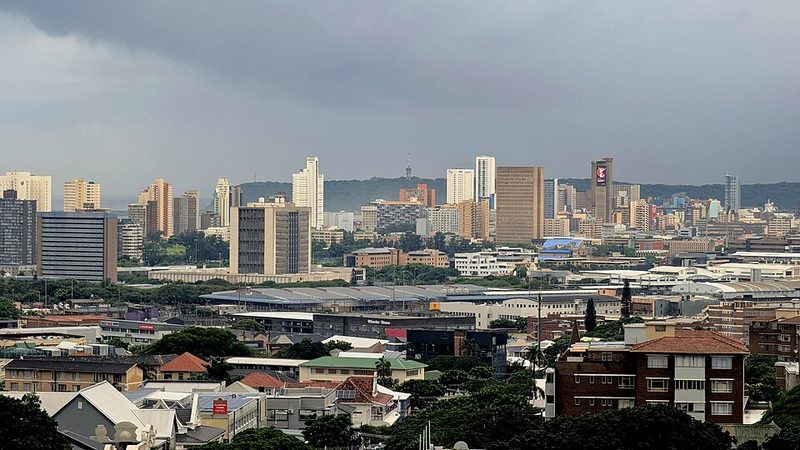
The city's scale and built form are markedly different from the carefully managed tourism zones of Cape Town or the dense urban sprawl of Johannesburg. Durban feels less polished, more openly industrial, with neighbourhoods that vary sharply in character and condition. The Berea hills offer elevation and older residential areas with period architecture. Westville, about ten kilometres inland and west of the city centre, is a separate municipality that merged into the eThekwini Metropolitan Municipality in 2002 and represents the suburban sprawl that has absorbed the wider urban area.
Getting There and Around
Durban is accessible by air, sea, and road. The city is a port of call for international shipping and the base for significant regional maritime traffic. Road connections link it to other major cities in South Africa and the region. Within the city, transport options and local mobility should be checked locally with current providers to confirm available services and routes.
The wider eThekwini Metropolitan Municipality encompasses the city proper and extends inland, making the urban area substantially larger than the city centre itself.
Practical Notes
Official travel advice for South Africa is issued regionally rather than as a blanket warning. The UK Foreign, Commonwealth & Development Office and the US State Department both maintain travel advisories that vary by area. Durban itself is not identified in restricted regions cited in current advisories, though travellers are advised to check the official sources for the latest guidance and any regional restrictions that may apply elsewhere in the country. As with any significant city, visitors should exercise normal urban awareness, use registered transport services, and follow local guidance on safe areas and times.