

What Edinburgh is known for
Edinburgh is Scotland's capital, built on volcanic hills between the Firth of Forth and the Pentland Hills. The Old Town follows a medieval ridge running east from Castle Rock to Holyrood Palace, whilst the 18th-century New Town presents ordered Georgian streets to the north. The city of over half a million functions as Scotland's administrative and financial centre, hosts major annual festivals, and contains heritage sites recognised by UNESCO.
Geography and First Impressions
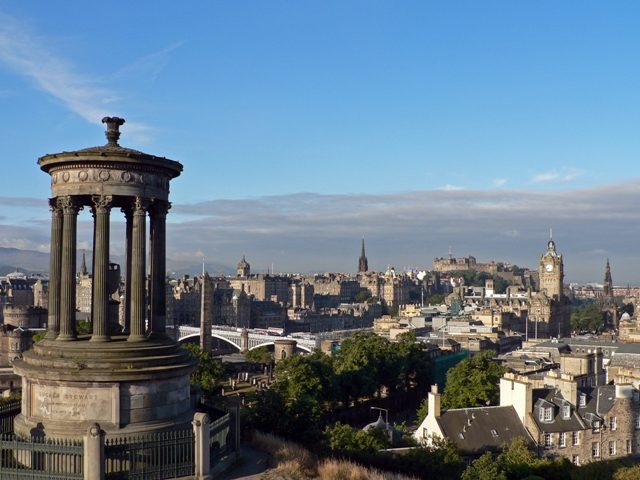
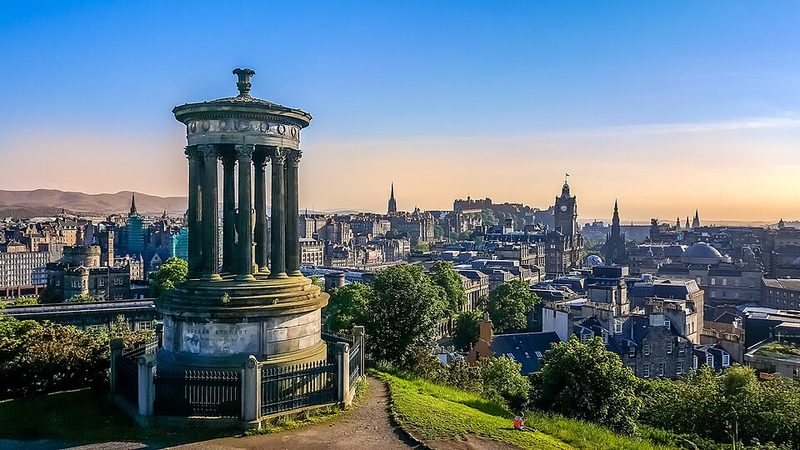
The city's geography is immediately apparent to arrivals: steep streets, volcanic outcrops, and buildings that climb hillsides. Castle Rock, Arthur's Seat and Calton Hill shape the skyline and walking routes. The Old Town's defensive layout—a single main street with narrow wynds branching off like a fish's backbone—dates to medieval settlement and determines how visitors navigate the area today. The New Town, developed from the 1760s onwards, offered a contrast: parallel streets, planned squares and spacious townhouses that attracted professionals away from the cramped medieval tenements.
Between Old and New Towns lies Princes Street Gardens, occupying a valley where a loch was drained. The Port of Leith, several miles north, historically functioned as a separate trading burgh and supplied the capital with imported goods; its maritime character remains visible despite changed economic roles.
Historical Development
Formal settlement began in the 11th century when a royal site was established on Castle Rock, though the area lay within the Anglian Kingdom of Northumbria from the 7th to 10th centuries. As a medieval burgh, Edinburgh developed along a single defensive street, with wynds providing access to buildings behind. The 1707 Act of Union marked a turning point; Edinburgh, then around 35,000 people, lost its role as capital of an independent nation but retained administrative importance.
Unable to expand outwards from its defensive ridge, the medieval city had built upwards, creating tall tenements that housed merchants and residents in cramped storeys. The New Town development, begun in the 1760s, allowed the city to grow and marked its transformation into a dual settlement—old and new, medieval and rational, both still visible.
The city played a central role in the Scottish Enlightenment, producing thinkers including David Hume and Adam Smith. This intellectual heritage contributed to the epithet "Athens of the North," reflecting ambitions towards learning and the arts that persist in the city's cultural institutions.
Cultural Life and Festivals
Edinburgh is known as the "Festival City." The Edinburgh Festival Fringe and Edinburgh International Festival, both held for three weeks in August, attract substantial visitor numbers. The Fringe, established in 1947 as an unofficial offshoot to the International Festival, has become the world's largest arts festival, with performers taking to hundreds of stages across the city. The International Festival presents classical music, theatre, opera and dance. Hogmanay celebrations marking the new year also draw crowds.
The National Museum of Scotland, which reopened in 2011 after renovation, is Scotland's most visited attraction, with free access to main collections. Other institutions include the Scottish National Gallery, the National War Museum, the Museum of Childhood and The Writers' Museum, which celebrates Robert Burns, Sir Walter Scott and Robert Louis Stevenson. These venues reflect the city's role as Scotland's cultural centre.
What to See
Edinburgh Castle, positioned on volcanic rock, and the Palace of Holyroodhouse, the royal residence, anchor opposite ends of the Royal Mile. The Old Town's UNESCO World Heritage designation recognises the global significance of its medieval and Georgian character. Arthur's Seat, an extinct volcano accessible to walkers, dominates views across the city. Calton Hill offers panoramic vantage points.
Documented attractions include the Scotch Whisky Experience at the top of the Royal Mile, Camera Obscura, Gladstone's Land and The Real Mary King's Close. Holyrood Park lies within city boundaries and provides walking routes. The Royal Botanic Garden extends on the northern side. Opening times and access should be confirmed locally.
Economy and Daily Function
The Bank of Scotland and other major financial institutions base operations in Edinburgh. Tourism constitutes a major economic force, with millions of visitors arriving annually. Several universities create a large student population, contributing to the city's profile as a centre of education and research. The population is predominantly Scottish, though the capital attracts residents from elsewhere in the UK and internationally for work and study.
Getting There and Around
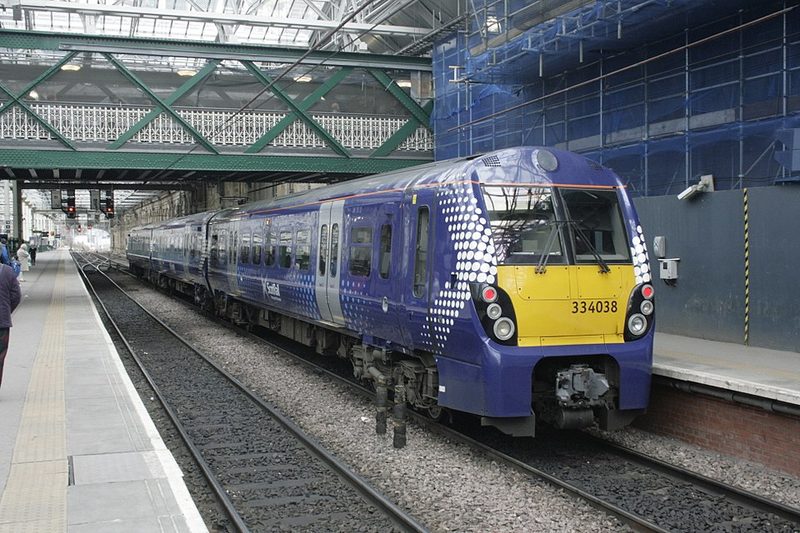
Edinburgh Airport handles regular passenger flights. Waverley Station, centrally located, serves as the main railway terminus with connections across Scotland and the United Kingdom. The city operates tram and bus services; routes and current schedules should be confirmed with local transport authorities. Roads connect Edinburgh to other Scottish regions and to England. The Port of Leith maintains port operations.
The city centre is walkable, though the hilly topography requires climbing. The Old Town in particular involves steep streets and steps.
Practical Considerations
Scottish weather is changeable; visitors should prepare for rain regardless of season. Accommodation prices rise significantly during August festivals, when the city's population effectively triples. Information on dining, transport schedules and current opening times for attractions should be verified locally, as offerings change seasonally.
Standard UK travel advice applies. The UK Foreign, Commonwealth & Development Office and US State Department both advise normal precautions for travel to the United Kingdom. No specific regional restrictions apply to Edinburgh or Scotland.
Edinburgh Festival Fringe and August Festivals
Edinburgh's August festival season centres on two major events: the Edinburgh Festival Fringe and the Edinburgh International Festival. The Fringe, which began in 1947 when eight uninvited theatre companies appeared at the inaugural International Festival, has grown into the world's largest arts festival. Running for three weeks typically from early to late August, it operates on an open-access principle—anyone with a story and a willing venue can participate—resulting in hundreds of performances across the city in spaces ranging from major theatres to pub basements.
The Edinburgh International Festival, running concurrently but for a shorter period (1-24 August in 2025), focuses on classical music, opera, theatre and dance in major venues. Together, these festivals effectively triple the city's population during August. Tickets for the International Festival can be purchased through eif.co.uk or by telephone at +44 (0)131 473 2000. Fringe tickets are available through edfringe.com and physical box offices. The festival atmosphere dominates the city centre, particularly the Royal Mile, where performers promote shows and street entertainment fills public spaces. Visitors should book accommodation well in advance, as prices rise significantly and availability becomes limited during this period.
Read the full Edinburgh Festival Fringe and August Festivals guide
Sources: Edinburgh Festival Fringe - Wikipedia • Edinburgh Festival Fringe official site • Edinburgh International Festival • Edinburgh Festival City - Fringe
The Writers' Museum and Edinburgh's Literary Heritage
The Writers' Museum occupies Lady Stair's House, a 17th-century townhouse in Lady Stair's Close off the Lawnmarket, the upper section of Edinburgh's Royal Mile. The museum celebrates three figures who shaped Scottish literature: Robert Burns, Sir Walter Scott, and Robert Louis Stevenson. Run by the City of Edinburgh Council, the collection includes portraits, rare books, manuscripts, first editions, and personal objects that document the lives and work of these writers. Entry is free.
Sources: Writers' Museum - City of Edinburgh Council • The Writers' Museum - Culture Edinburgh • Writers' Museum - Wikipedia • Edinburgh - Robert Louis Stevenson website
Day Trips from Edinburgh
Edinburgh's location in southeast Scotland provides access to day-trip destinations including Stirling Castle, Loch Ness, Glencoe, Rosslyn Chapel, and St Andrews. Tour operators run small-group coach trips with driver-guides, typically in 16-seat mini-coaches. Stirling Castle, approximately 40 miles northwest, is often combined with Loch Lomond, the Kelpies, or Trossachs visits. Highland trips to Loch Ness and Glencoe cover over 350 miles round-trip, passing through Rannoch Moor and along the Great Glen beneath Ben Nevis. The Caledonian Canal at Loch Ness offers optional boat cruises.
Rosslyn Chapel, seven miles south near Roslin, became internationally known after appearing in The Da Vinci Code and features elaborate 15th-century stone carvings. Tours sometimes combine it with Dunfermline Abbey or Scottish Borders sites. St Andrews, 50 miles north on the Fife coast, is known for its medieval university (founded 1413), golf heritage including the Old Course, and cathedral ruins. Tour operators including Rabbies, Heart of Scotland Tours, Highland Experience and Timberbush Tours run these itineraries. Public transport serves some destinations independently, though organised tours simplify access to multiple sites. Advance booking is advisable, particularly in summer and during August festivals.
Sources: Rabbies Day Tours from Edinburgh • Highland Experience - Loch Ness, Glen Coe & Highlands • Heart of Scotland Tours - Stirling Castle • Timberbush Tours - Loch Ness & Glencoe
Scotch Whisky Experience and Whisky Tourism
The Scotch Whisky Experience operates as a five-star visitor attraction at the top of Edinburgh's Royal Mile, providing an introduction to Scotland's whisky industry and culture. The venue has operated for over 35 years, offering tours, tastings, and educational experiences available in 20 languages. Beyond this single major attraction, Edinburgh's whisky tourism includes specialist bars, tasting rooms, shops, and day tours to distilleries in surrounding regions.
Sources: The Scotch Whisky Experience • Whiski Rooms Edinburgh • Whiski Group • The Lost Close - Whisky Tastings