

What Fort Worth is known for
Fort Worth earned its nickname "Cowtown" honestly. This city of over a million people still carries the spirit of its days as a crucial stop on the cattle drives that shaped the American West, yet it has transformed into a modern hub for aviation, defense and technology. Perched on bluffs overlooking the meeting point of the Clear Fork and Trinity River, Fort Worth sits at the geographical and cultural boundary where the forested Cross Timbers of East Texas give way to the flat, arid prairieland of the Great Plains—a position that has defined its character since its founding.
First Impressions and Setting
Arriving in Fort Worth, you'll notice the landscape shift beneath you. The eastern parts of the city retain the denser vegetation of the Cross Timbers, while moving west the terrain opens into prairie. This natural division has shaped settlement patterns and economy for nearly two centuries. The city extends across nearly 350 square miles, a sprawl that reflects its growth from a frontier post into a major metropolitan center. The river confluence that originally drew military planners remains central to the city's layout and identity, though the landscape around it has been thoroughly reshaped by urban development.
The climate runs to hot summers and mild winters, typical of north-central Texas. The city sits at a modest elevation where these seasonal shifts feel natural rather than extreme.
History, Identity and Local Stories
Fort Worth began as a military necessity. On June 6, 1849, General William Jenkins Worth established an army outpost on the Trinity River bank to protect East Texas settlements from Native American raids. By August of that year, Major Ripley S. Arnold moved the camp to a north-facing bluff at the confluence of the Clear Fork and Trinity—a more defensible position. The U.S. War Department officially named it Fort Worth on November 14, 1849. Despite popular frontier mythology, no major battles occurred at the fort. The original military garrison abandoned the site in September 1853, but civilians had already begun settling in the abandoned buildings, recognizing the location's strategic value.
The post's military purpose proved less significant than its role as a settlement anchor. John Peter Smith, often called the "father of Fort Worth," started the first school in 1854 and shaped early civic life. Julian Feild established a flour mill and served as the first postmaster in 1856, the same year Fort Worth became the county seat of Tarrant County. Early settler Ephraim Daggett donated land for civic improvements, while merchants Henry Daggett and Archibald Leonard opened general stores. The initial community, numbering fewer than 100 people, called their settlement "Fort Town" to distinguish it from the military post itself.
The arrival of the Texas and Pacific Railway in 1876 transformed everything. Suddenly Fort Worth was no longer an isolated settlement but a transport hub connected to the wider world. The city's economy pivoted to the cattle trade. Millions of cattle moved northward along the Chisholm Trail to Kansas railheads, and Fort Worth became the crucial place where cowboys rested, replenished supplies and brought herds to market. This role earned the city its enduring nickname and established the meatpacking industry that would define its economy for decades. The railroad connection also earned Fort Worth another title: the "Gateway to the West."
Daily Life, Economy and Culture
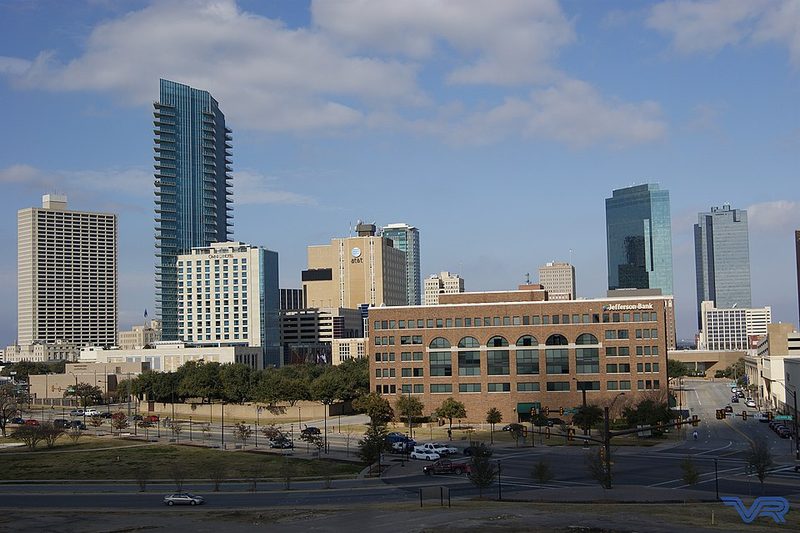
The economic foundations that built Fort Worth have shifted but not disappeared. While cattle and meatpacking shaped the nineteenth and much of the twentieth century, the city's modern economy centers on aviation, defense and technology—sectors that emerged from and partly replaced the older industrial base. This transition reflects broader American economic change, though the frontier heritage remains woven into local identity and public memory.
The city's population mirrors broader American diversity, with significant Hispanic, African American and White communities. Cultural celebrations including Cinco de Mayo and Juneteenth indicate the city's commitment to acknowledging its diverse heritage, moving beyond the "Cowtown" image into a more complete picture of local life.
What Visitors Notice
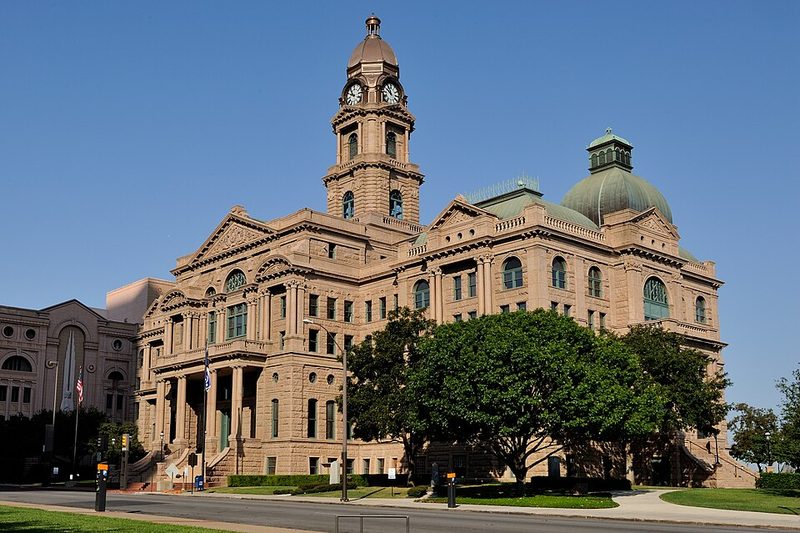
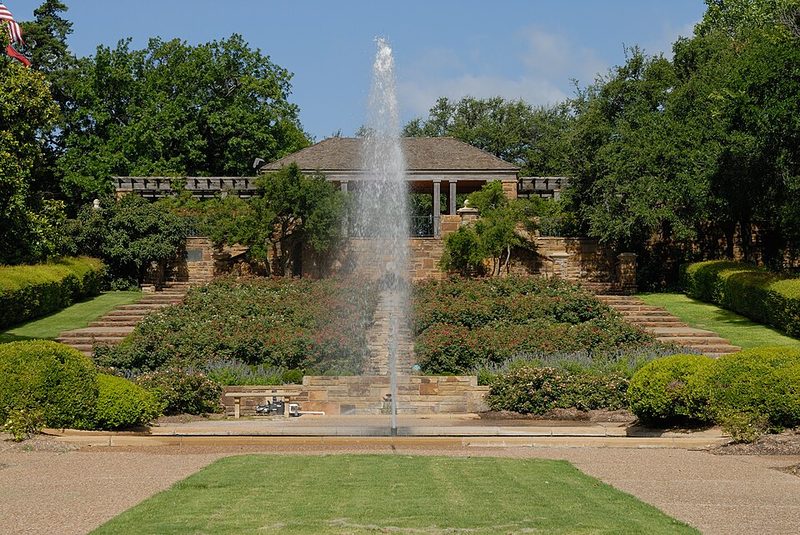
The Fort Worth Zoo and the National Cowgirl Museum stand out as anchors of public cultural life, places where the city preserves and presents elements of its heritage. The available sources indicate performing arts venues are active in the city, though specific details on their current programming should be checked locally. Architecture matters here—the city's notable buildings, many designed or associated with Preston Geren Sr., a prominent Texas architect and engineer, reflect decades of civic growth and changing styles.
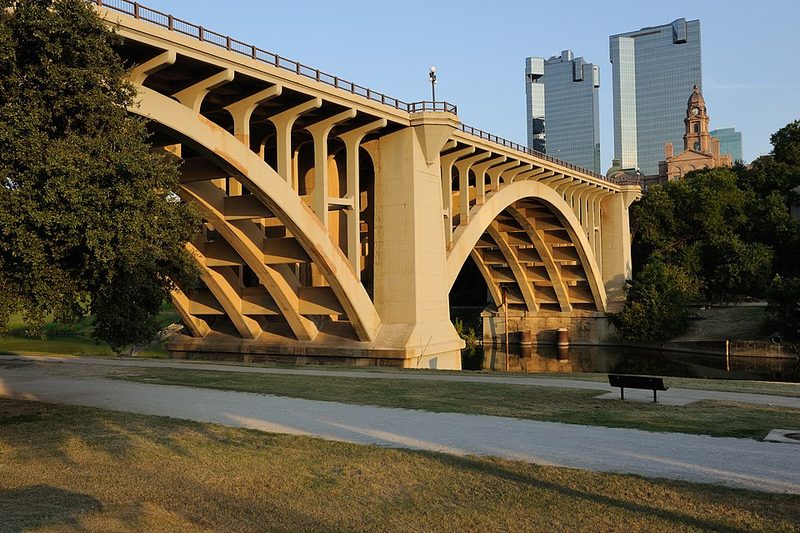
The riverfront remains significant to how the city presents itself, even though the original fort is long gone. The geography that attracted the original settlement—that bluff overlooking the confluence—still shapes how locals and visitors understand the city's place in the landscape.
Getting There and Around
Fort Worth Central Station serves as an intermodal transit hub in downtown, handling two commuter rail lines, two Amtrak intercity services and Greyhound intercity bus connections. Trinity Metro operates the city's public bus system. For specific current schedules, routes and transport options within the city, local travel resources should be consulted.
The city's road network and broader access by highway should be confirmed with current travel resources, as should any airport or airfield connections serving the metroplex.
Practical Notes
Fort Worth is the second-largest city in the Dallas–Fort Worth metroplex, a regional economy of 8.5 million residents spread across multiple counties. Understanding its regional context helps explain its modern economy and transport connections. The UK Foreign Office maintains Level 1 travel advice (normal precautions) for the United States, with no specific warnings affecting Texas. Current US State Department travel advisories should be checked before visiting.