

What Fresno is known for
Fresno sits at the heart of California's San Joaquin Valley, a sprawling inland city that serves as the cultural and commercial centre of the Central Valley. With over 540,000 residents, it ranks as California's fifth-largest city and the most populous inland settlement in the state. The city's position—roughly equidistant from the Pacific coast and the Sierra Nevada—gives it a particular character: pragmatic, diverse, and deeply tied to the productive agricultural landscape that surrounds it.
Arrival and First Impressions
Fresno emerges gradually from the valley floor, a modern American city built on flat terrain at just under 100 metres elevation. The surrounding landscape is intensively cultivated farmland, with orchards, vineyards, and crop fields extending to the horizon. The city itself spreads across roughly 115 square miles of developed urban space, with tree-lined streets and a mix of residential neighbourhoods, commercial districts, and industrial zones that reflect its role as a regional distribution and services hub.
The climate is characterised by warm, dry summers and mild winters—conditions that have made the valley one of the world's most productive agricultural regions. Visitors arriving in summer will notice the heat and sunshine; the landscape has little dramatic topography, which can feel monotonous to those accustomed to mountainous terrain, though it creates an open, spacious feel to the city itself.
Historical Background
The name "Fresno" derives from the Spanish word for ash tree, a reference to the native cottonwoods and ash trees that grew along the San Joaquin River before European settlement. The region was home to the Yokuts people for centuries before Spanish expeditions arrived in the 1770s and American settlement accelerated during and after the California Gold Rush of 1849.
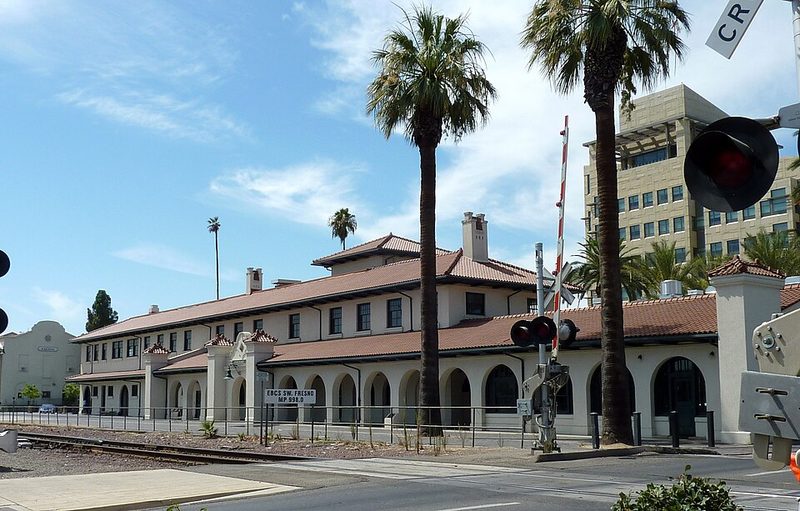
The city itself was founded in 1872 when the Central Pacific Railroad established a station here, transforming a small settlement into a strategic transport junction. The railway connection proved decisive: reliable transportation allowed local agricultural producers to ship crops to distant markets, anchoring Fresno's rapid growth. The city received official incorporation in 1885, by which point it had already become the commercial centre of Fresno County, established in 1856.
Fresno's agricultural heritage is particularly associated with viticulture. The region became known as the "Raisin Capital of the World" due to the success of grape cultivation in the valley's climate and irrigated soils. Beyond raisins, the area developed significant production capacity in almonds, tomatoes, and other crops. The transformation of arid valley land into intensively productive farmland through irrigation systems represents a defining local achievement—one that has made the San Joaquin Valley one of the most agriculturally productive regions on earth.
The City Today
Agriculture remains central to Fresno's identity and economy, though the city has diversified considerably since its founding. Distribution, wholesale trade, healthcare, education, and services now form significant parts of the local economy. The city functions as a commercial hub for the wider Central Valley region, drawing workers and shoppers from surrounding counties.
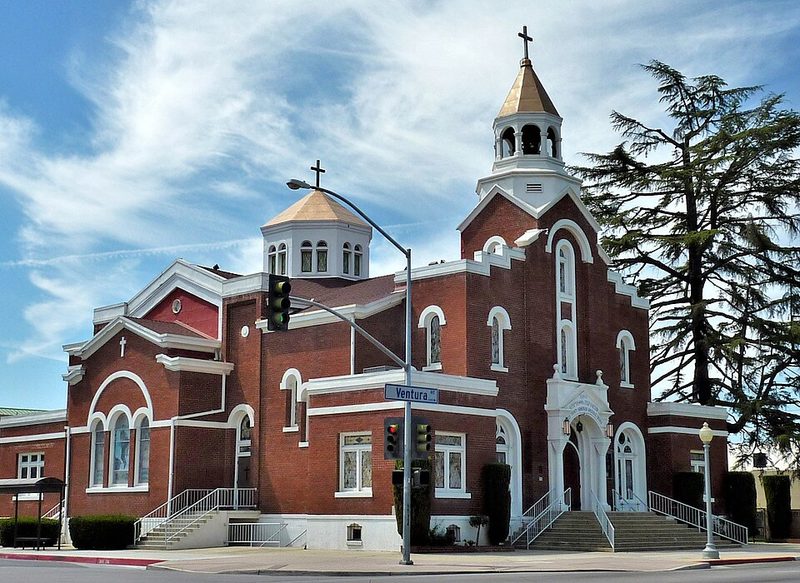
Fresno's population reflects decades of migration and settlement. The multicultural character of the city is visible in its neighbourhoods, food culture, architectural styles, and festivals. This diversity shapes daily life and gives the city a distinctive cultural texture distinct from coastal California centres. The visible presence of multiple communities—reflected in language use, local businesses, and public spaces—is characteristic of Fresno's identity as a working city with deep roots in agricultural and industrial labour.
Cultural Life and Districts
The Tower District functions as the city's cultural and nightlife centre, known for its local entertainment venues, shops, and dining establishments. The historic Warnors Theatre, a restored movie palace, hosts concerts, films, and live performances. Downtown's Fulton Street has undergone revitalisation in recent years, with shopping, dining, and public art installations now defining the historic street.
The city supports several cultural institutions, including the Fresno Art Museum, which presents exhibitions across various artistic styles and mediums. The African-American Historical & Cultural Museum of the San Joaquin Valley and Arte Américas provide perspectives on the region's diverse communities. The Fresno Discovery Center operates as an interactive science museum suitable for families.
The Meux Home, a nineteenth-century mansion, survives as a reminder of the city's early wealthy settler class and offers a glimpse into Victorian-era domestic architecture in the valley.
Gateway to the Sierra Nevada
Fresno's most significant appeal to visitors lies in its proximity to three major national parks—Yosemite, Sequoia, and Kings Canyon—all positioned in the Sierra Nevada mountains to the east. The drive to the entrance of Kings Canyon National Park takes approximately two hours, with Sequoia's main sites requiring additional travel time. Yosemite is accessible within a similar timeframe, making Fresno a practical base for those planning to explore California's mountain wilderness.
The city offers accommodation and services that hikers, climbers, and outdoor enthusiasts require before heading into the parks, and the relatively flat, navigable urban environment provides a contrast to the alpine terrain beyond.
Practical Orientation
Fresno is connected to the wider region and state through highway networks—it lies on major north-south routes through California's interior. The city can be reached by car from the coast (around three hours westward) or from the Sierra Nevada region. Intercity bus services operate through Fresno as part of the broader network of long-distance passenger transport in the United States. Visitors should confirm current transport options and accessibility directly with local services before arrival.
The city spreads across a navigable grid of streets, and most visitors arrive by car. The multicultural population supports a varied culinary scene tied to local communities rather than tourism marketing, and the city's role as an agricultural centre means access to fresh, local produce is a defining feature of the food culture.
When to Visit
Fresno's warm climate and flat terrain make it accessible year-round, though summer heat can be intense. Those heading to the nearby national parks should note seasonal road closures in winter, particularly for higher elevation routes in Sequoia, Kings Canyon, and Yosemite. Spring and autumn offer moderate temperatures and are popular periods for exploring both the city and the surrounding natural areas.
What Fresno Offers
Fresno's importance lies in its role as a Central Valley hub rather than as a destination in its own right. For those exploring the region, it offers accommodation, services, and a perspective on California's agricultural heartland and the diverse communities that sustain it. Visitors tend to pass through Fresno as a base for accessing nearby natural areas or as a point on longer journeys. The city's public spaces reflect its character as a commercial centre rather than a leisure destination, though the diverse population and cultural institutions provide substance beyond simple transit logistics. Local knowledge from residents will enrich any visit to the area.
Big Fresno Fair
The Big Fresno Fair ranks as California's fourth-largest county fair, drawing more than 600,000 visitors each October to a 165-acre fairground site. Running for approximately 12 days in early to mid-October (7-18 October in 2026), the fair combines traditional agricultural exhibitions showcasing Fresno County's grape, almond, and tomato production with livestock competitions, carnival rides, concerts, and commercial exhibits.
The fairgrounds house two museums—the Fresno County Historical Museum and the Big Fresno Fair Museum—that preserve agricultural and cultural history year-round. Midway attractions include rides such as the Century Wheel and Wheel of Fire, alongside food vendors offering both traditional fair fare and items reflecting the region's diverse communities. The fair functions as the Central Valley's largest annual event and provides a concentrated look at the agricultural heritage and contemporary culture that define the region. Visitors should book accommodation well in advance if planning to attend, as the fair creates significant demand on local hotels.
Read the full Big Fresno Fair guide
Sources: The Big Fresno Fair (Official) • The Big Fresno Fair - Wikipedia • Visit Fresno County - Big Fresno Fair
William Saroyan's Fresno
William Saroyan (1908-1981), Fresno's most celebrated literary figure, was a Pulitzer Prize-winning writer whose novels, short stories, and plays chronicled Armenian-American life during the Depression era. Born in Fresno to Armenian immigrant parents, Saroyan maintained strong connections to the city throughout his life, and several sites preserve his legacy for visitors.
The William Saroyan House-Museum, opened in July 2018, preserves the writer's longtime Fresno residence and includes a research area for scholars. Downtown, the 2,353-seat William Saroyan Theatre (opened 1966, dedicated to Saroyan in 1981) serves as home to the Fresno Philharmonic and other performing arts organisations. Nearby on M Street stands a 28-foot statue of Armenian folk hero David of Sassoun, created in 1970, representing the Armenian community's presence in Fresno's civic landscape. Together, these sites offer visitors insight into how place and community shaped one of 20th-century American literature's distinctive voices.
Sources: William Saroyan Tour - Armenian Museum of Fresno • William Saroyan House-Museum Opens - Fresno State News • William Saroyan - Wikipedia • Fresno Convention Center - Wikipedia
Tower District
The Tower District serves as Fresno's principal arts, entertainment, and nightlife hub, a pedestrian-friendly neighbourhood centred on the historic Tower Theatre at the intersection of Olive Avenue and North Wishon Avenue, roughly two miles north of downtown Fresno. Named for the landmark 1939 Art Deco theatre with its distinctive neon-lit tower, the district has evolved from a streetcar-era commercial strip into the city's most concentrated area for restaurants, live music venues, theatres, cafes, and independent retail.
Sources: Visit California - Fresno's Tower District • Tower District Preservation Association - History • Tower Theatre (Fresno) - Wikipedia • Tower Theatre - Historic Fresno
Day Trips to Yosemite, Sequoia & Kings Canyon
Fresno's primary practical appeal for visitors lies in its position as a gateway to three major Sierra Nevada national parks: Yosemite, Sequoia, and Kings Canyon. The city sits at the valley floor with highway access to park entrances, making it a logical base for travellers exploring California's mountain wilderness areas. Understanding driving times and access routes helps visitors plan realistic day trips or multi-day itineraries from Fresno.
Fresno's Ethnic Festivals
Fresno's multicultural population sustains a calendar of ethnic festivals and cultural celebrations that reflect the diverse communities—Armenian, Hmong, Greek, Mexican, and others—who have made the Central Valley their home. These events occur throughout the year and offer visitors a window into the traditions, foodways, and heritage that shape daily life in the city beyond its agricultural identity.
Sources: Hmong Cultural New Year Celebration - Visit Fresno County • Fresno Greek Fest • Cultural Events - Visit Fresno County