

What Goiânia is known for
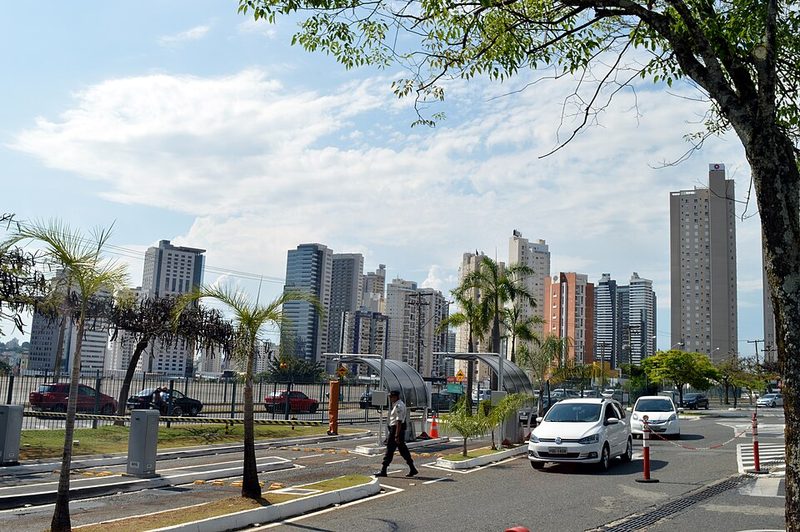
Built from scratch in 1933 as the planned capital of Goiás state, Goiânia represents a deliberate exercise in 20th-century urban planning. The city holds Brazil's second-largest collection of Art Deco buildings and the country's highest proportion of green space per resident—94 square metres per person, nearly eight times the United Nations recommendation. Today, the metropolitan area has grown to around 2.9 million people, making it the second-largest urban centre in Brazil's Central-West Region after BrasÃlia.
Goiânia sits on a central plateau at 766 metres elevation, shaped by the Meia Ponte River and smaller streams across mostly flat terrain. The city's wide avenues, geometric Art Deco facades, and tree-lined parks still reflect the modernist vision of its founder, state governor Pedro Ludovico Teixeira, who moved the capital from the remote colonial town of Goiás Velho with backing from President Getúlio Vargas's administration.
The Art Deco Heritage
Goiânia holds Brazil's largest collection of Art Deco architecture after Rio de Janeiro. The first Art Deco buildings erected were the Palácio das Esmeraldas (the state government palace) and the former General Secretariat, now the Centro Cultural Marieta Telles, both located on Praça CÃvica (officially Praça Dr. Pedro Ludovico Teixeira). The Teatro Goiânia, inaugurated in 1942, served as both a performance venue and cinema and remains the city's most traditional cultural space. The former Delegacia Fiscal now houses the regional office of IPHAN, the national heritage institute.
These structures, dating primarily from the 1930s and 1940s, carry national historical protection, though maintenance remains uneven across the collection. The central district offers a walkable concentration of these buildings, with pastel colours and streamlined geometric forms characteristic of the period.
Parks and Green Space
The city's reputation as Brazil's green capital reflects genuine urban planning outcomes. Major parks include Parque Zoológico, Buriti Park, Vaca Brava Park, and Areião Park. These provide outdoor space and recreational access across different parts of the city. The high tree coverage shapes the daily experience of the city, particularly in older planned neighbourhoods where wide median strips and street plantings were part of the original design.
Museums and Cultural Sites
The Memorial do Cerrado, located on the campus of the PontifÃcia Universidade Católica de Goiás, combines natural history with cultural heritage. Created in 1999, the complex includes a natural history museum, reconstructed historical villages (including a colonial vila, a quilombo, and an indigenous village), and ecological hiking trails. The site houses working research laboratories for archaeology, geoscience, taxidermy, and food technology.
The Museu Pedro Ludovico, established in 1987, occupies the two-storey Art Deco house where the city's founder lived with his family. Built in 1934 at the corner of Rua 26 and Rua 25 in the city centre, it preserves the personal and political archives of Pedro Ludovico Teixeira and his wife, Gercina Borges Teixeira.
The Oscar Niemeyer Cultural Center houses the Museum of Contemporary Art of Goiás and reflects the city's ongoing role as a regional cultural hub.
Regional Food
Goiás cuisine draws heavily on Cerrado ingredients and rural traditions. Arroz com pequi (rice cooked with the tart pequi fruit) and galinhada goiana (chicken rice with regional seasonings) are foundational dishes. Empadão goiano, a large filled pastry, appears on most traditional restaurant menus. Other regional items include pamonha (fresh corn paste), guariroba (palm heart), and feijão tropeiro. Markets downtown, particularly the Mercado da Rua 74, offer pamonha and other local foods during the week. Cerrado fruit ice creams and pão de queijo (cheese bread) are widely available.
Economy and Research Activity
Goiânia functions as the administrative and commercial centre for Goiás state, which ranks among Brazil's top agricultural producers. The state leads national sorghum production and ranks third for soybeans, corn, beans, sugarcane, and cotton. Livestock farming—particularly cattle—also contributes significantly to the regional economy.
The city hosts the State Agency for Development and Innovation and the Goiás Research Foundation, reflecting efforts to develop knowledge-based economic activity alongside the agricultural base. The presence of multiple universities, including the Universidade Federal de Goiás, supports this research infrastructure.
Nearby Destinations
The colonial town of Pirenópolis lies approximately 130 kilometres north of Goiânia. Cidade de Goiás (formerly Goiás Velho), the old state capital, is a UNESCO World Heritage Site about 140 kilometres northwest. Caldas Novas, known for thermal springs, sits roughly 170 kilometres south. The Araguaia River region lies further west, accessible via Goiânia as a logistical base.
Transport
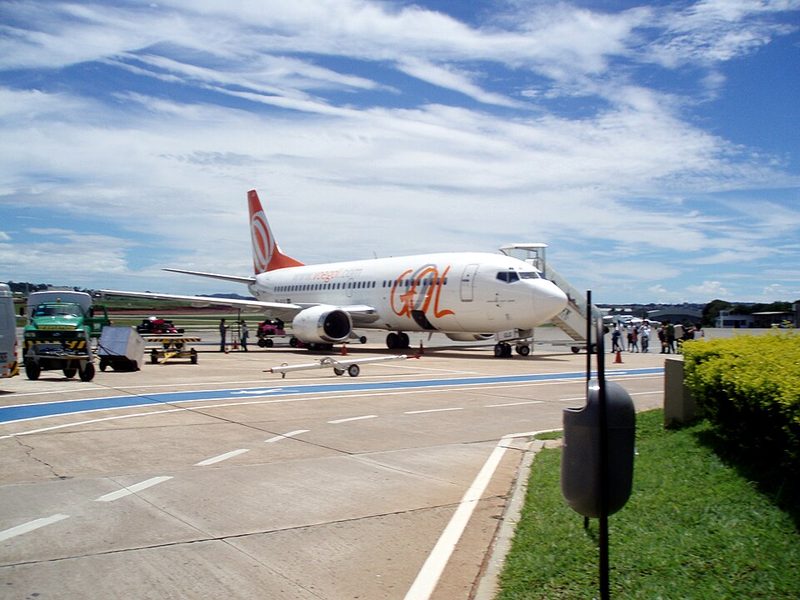
Goiânia's airport, Santa Genoveva International Airport, handles regional and domestic flights. The city sits on major federal highways connecting it to BrasÃlia (approximately 200 kilometres south), São Paulo, and other regional centres. Municipal buses serve the urban area; visitors should check current route and schedule information with local transport authorities. Taxis and ride-hailing services operate throughout the city.
Practical Considerations
The city's planned layout makes central areas relatively straightforward to navigate, though the metropolitan area's scale means distances can be substantial. The Cerrado climate brings a distinct dry season (May to September) and wet season (October to April), with temperatures generally warm year-round.
Brazil's official travel advisories from the UK and US indicate regional variations in safety conditions across the country. Goiânia itself is not identified in specific high-risk zones under these advisories, though the broader country carries general cautions about urban crime, particularly in major cities. The US State Department rates Brazil as Level 2 (Exercise Increased Caution), citing crime and civil unrest concerns in certain contexts. Visitors should consult current official travel advice from their government and check locally for practical safety information relevant to their specific plans and accommodation locations.