

What Gold Coast is known for
The Gold Coast stretches roughly 60 kilometres along Queensland's Pacific coast south of Brisbane. It is Australia's sixth-largest city and the most populous place outside a state capital, with a population exceeding 640,000. Known locally as the GC or the Goldy, the city has grown from post-war beach town to a dense urban conurbation built on tourism, with high-rise hotels, theme parks, surf clubs and residential canals defining the contemporary landscape.
Orientation and Setting
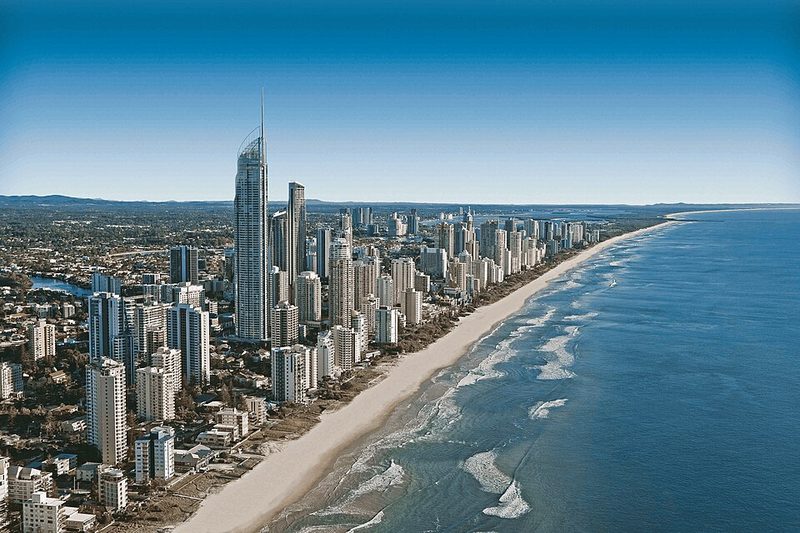
The Gold Coast hugs the coastline in a ribbon of development. The central business district sits in Southport, roughly at the centre of the urban area. To the north, the city blends into greater Brisbane; to the south it reaches toward the New South Wales border. Multiple named beaches line the coast—Surfers Paradise, Main Beach, Broadbeach, Burleigh Heads, Currumbin and Coolangatta among them—each with distinct character. The low-lying coastal strip sits around 12 metres above sea level. Behind the beaches, forested hinterland rises into national parks visible from many points along the coast.
The urban pattern reflects sustained growth averaging four per cent annually, driven by tourism infrastructure, residential expansion and migration. High-rise towers cluster along the beachfront in central precincts, whilst quieter residential suburbs and working neighbourhoods spread inland and along the less developed stretches of coast.
History and Indigenous Heritage
The Yugambeh-speaking peoples, including the Kombumerri clan, occupied this coastal and hinterland region for at least 23,000 years, developing sophisticated ecological knowledge and deep cultural ties to the land. European contact began with Captain James Cook's charting of coastal landmarks including Point Danger in 1770. Accurate surveying followed in 1842 when an English-born surveyor produced the first reliable map.
European settlement took hold from the 1820s, accelerating between the 1860s and 1890s as land was parcelled and townships established. Early real estate marketing styled the area as the "Gem of the Pacific" around the 1920s. World War II brought military infrastructure. Post-war suburbanisation from 1946 through the 1970s created the modern settlement pattern. The city was formally proclaimed in 1959. Residents are known as Gold Coasters.
Beaches and Surf Clubs
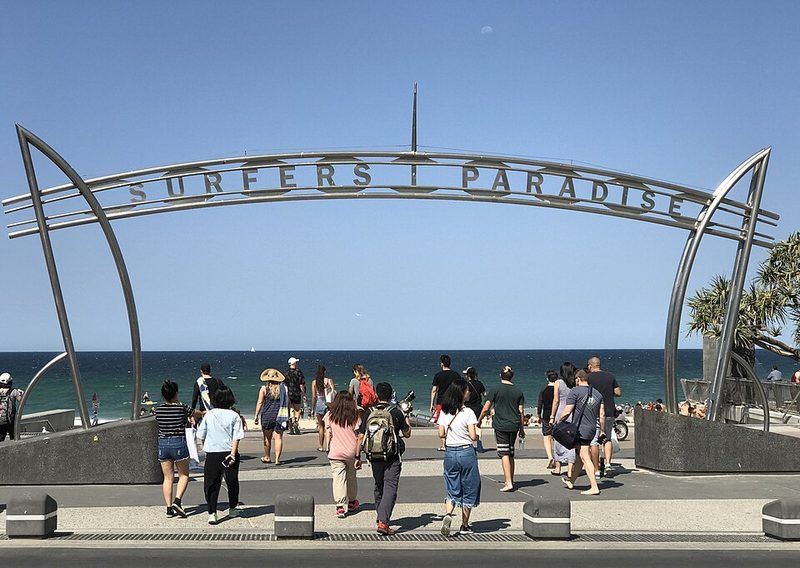
The beaches are the Gold Coast's defining feature. Each stretch of sand attracts different crowds and carries its own character. Surfers Paradise, Main Beach and Broadbeach are the busier, more developed areas with concentrated tourism infrastructure. Further south, beaches including Burleigh Heads, Currumbin, Rainbow Bay, Greenmount and Kirra offer quieter settings and are favoured by locals.
Surf lifesaving clubs are embedded in the social fabric. Southport Surf Life Saving Club, established in 1924, and Surfers Paradise Surf Life Saving Club, founded in 1925, are long-standing institutions. Kurrawa Surf Club in Broadbeach dates to 1958, whilst North Burleigh has operated since 1949. These clubs host surf carnivals, swimming events and provide patrolled swimming areas. Many clubs operate beachfront venues open to visitors.
Theme Parks
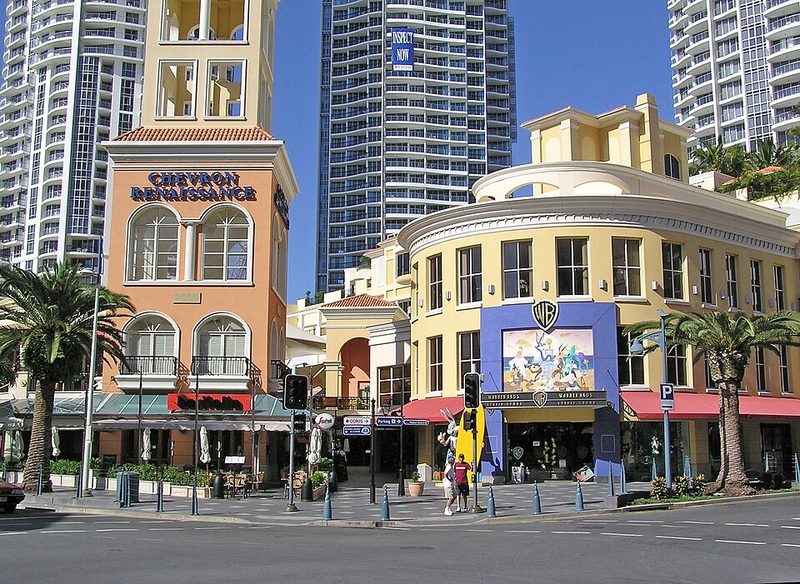
The Gold Coast is home to several large-scale theme parks. Dreamworld, Australia's largest theme park, features over 40 rides and attractions ranging from thrill rides to family attractions, plus an Australian wildlife experience with more than 500 native animals. WhiteWater World, a water park, operates adjacent to Dreamworld. Warner Bros. Movie World is another major park in the region. These parks host seasonal events including night markets, Winterfest and Halloween programming. They are significant draws for domestic and international visitors.
Hinterland National Parks
Behind the coastal strip, the Gold Coast hinterland rises into protected national parks. Lamington National Park and Springbrook National Park contain subtropical rainforest, waterfalls and walking tracks. The Gold Coast Hinterland Great Walk is a 54-kilometre track linking Lamington and Springbrook via the Numinbah Valley. The Green Mountains section of Lamington National Park, at 935 metres elevation, is home to Australia's largest subtropical primeval forest and is accessed via winding mountain roads. Purlingbrook Falls in Springbrook is one of Queensland's tallest waterfalls. These parks provide contrast to the coastal urban environment and are accessible within a short drive from the main tourist precincts.
Waterways and Canals
The Gold Coast contains over 860 kilometres of navigable tidal waterways—nine times more than Venice. Residential canal estates were first constructed in the 1950s and expanded significantly through the 1970s and 1980s, creating suburbs including Mermaid Waters and Broadbeach Waters. The Nerang River flows through the city. The Gold Coast Seaway, completed in 1986, stabilised the Nerang River entrance to the Pacific Ocean, which had previously been known as the Southport Bar and had a history of instability. The Gold Coast Waterways Authority manages commercial and recreational use of these waterways.
Practical Information
The Gold Coast sits approximately 66 kilometres south-southeast of Brisbane's city centre. Visitors should check with transport authorities for current routes and schedules connecting Brisbane and the Gold Coast, as well as local transport options within the city. The city operates on Australia/Brisbane timezone.
Australia is classified by the UK Foreign, Commonwealth and Development Office as requiring normal precautions for travel. The US State Department lists Australia at Level 1: Exercise Normal Precautions. No specific regional restrictions apply to the Gold Coast. Visitors should review current travel advisories before departure.
The Gold Coast is a year-round destination. Australia's spring and summer months from October to February carry elevated bushfire risk across the country; current conditions should be checked before and during travel to bushland areas.
Is Gold Coast Worth Visiting?
The Gold Coast delivers what it promises: accessible beaches, reliable weather, established tourism infrastructure and family-focused attractions. It is well-suited to beach holidays, theme park visits and short breaks from Brisbane. Visitors seeking quieter coastal settings will find them in the southern beaches, whilst those interested in rainforest walks can reach the hinterland national parks within an hour. The city's scale and development level make it distinct from quieter Australian coastal towns—it is an urban destination that happens to face the ocean, not a beach village.
Where to Stay in Gold Coast?
Accommodation is concentrated along the beachfront. Surfers Paradise offers the highest density of hotels, apartments and proximity to nightlife and shopping. Broadbeach provides similar infrastructure with easier access to convention facilities and slightly quieter surroundings. Main Beach, at the northern end, gives access to The Spit and marina areas. Visitors preferring less dense settings look to suburbs including Burleigh Heads, Mermaid Beach or Coolangatta in the south, though these require more planning for transport to theme parks and other attractions.
How Many Days Do You Need in Gold Coast?
A long weekend covers the central beaches and one or two theme parks. Four to five days allows time for both coast and hinterland, with day trips to Lamington or Springbrook national parks. Visitors combining the Gold Coast with Brisbane can allocate two to three days to the coast as part of a longer Queensland itinerary. Theme park visits require full days; each major park warrants separate dedicated time.
Is Gold Coast Safe for Visitors?
The Gold Coast presents no elevated travel risk. Australia maintains normal precautions status with both UK and US travel authorities, with no warnings specific to Queensland or the Gold Coast region. Standard urban precautions apply. Ocean safety is the primary concern for visitors: beaches should be chosen based on current conditions, and swimming should be undertaken between patrolled flags where surf lifesaving clubs operate. Bushfire conditions should be monitored if visiting hinterland areas during the warmer months from October to February.