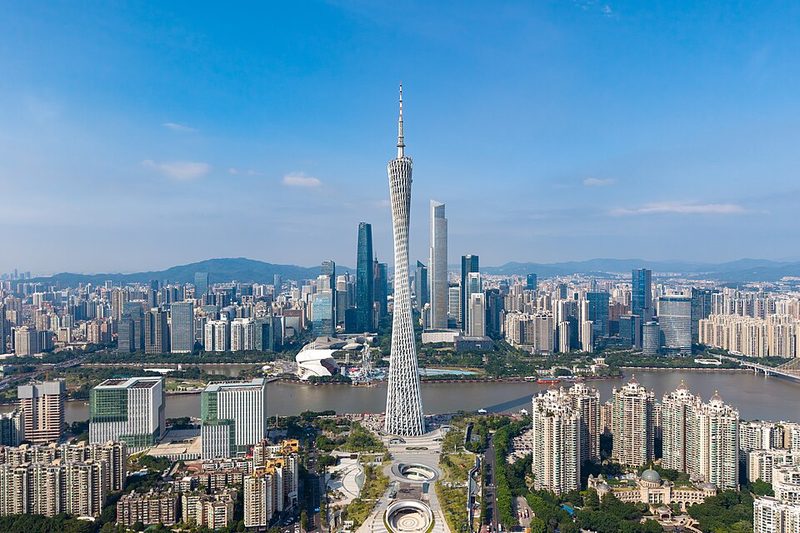


Guangzhou pulses with the energy of a city that has been trading with the world for over two thousand years. Sprawled across the Pearl River delta in southern Guangdong, this megacity of more than 16 million people blends layers of history—from its days as a major Silk Road terminus to its present role as China's third-largest economic centre. What you notice first is the sheer density of modern high-rises alongside pockets of older neighbourhoods where traditional life persists, and the river itself, which has been the city's lifeblood since ancient times.
**First Impressions and Setting**
Guangzhou sits in low-lying terrain where the Pearl River winds through the landscape, creating picturesque waterfront scenery that has shaped settlement patterns for centuries. The urban geography is varied: the northeast rises into hilly terrain with higher elevations, while the southwest spreads into an alluvial plain, and the middle basin holds the densely built core. This varied topography means different neighbourhoods have distinctly different characters. The city is surrounded by 11 administrative districts, each with its own rhythm and role in the larger whole. Trees and flowers are woven throughout the urban fabric, earning the city nicknames like "City of Flowers" and "City of Five Rams"—references to local identity rooted in legend.
Weather and seasonal rhythms shape life here. The typhoon season runs from May to November, affecting southern and eastern coastal regions; the official China Meteorological Administration and Japan Meteorological Agency track approaching storms. Outside the typhoon months, the subtropical climate brings warm, humid conditions.
**History, Identity and Local Stories**
Guangzhou's recorded history stretches back more than 2,200 years, and the city has been a political and cultural hub since the Qin Dynasty. What sets it apart is its role as the "Southern Gateway of China"—a major international trading port that connected inland China to maritime trade routes. For over two millennia, merchants, diplomats and adventurers passed through this city, making it one of the world's most important commercial centres long before modern container shipping existed.
This trading heritage left visible marks. During the 19th century, Shamian Island emerged as a zone of European colonial presence, and its architecture still reflects that era of intense international contact. The period was also marked by conflict: Ye Mingchen, a high-ranking Qing official, became known for his resistance to British influence in Canton following the First Opium War (1839-1842), when British merchants demanded compensation for seized opium stocks and the principles of free trade clashed with Chinese enforcement of an opium ban.
The city remained a site of significant political and military events throughout the 20th century, though later developments—including the Warlord Era that affected much of China in the 1920s—are part of broader regional history rather than Guangzhou's unique story. Today, the city's identity centres on its mercantile tradition and its role as a bridge between China and the world, reinforced annually by the Canton Fair, one of Asia's largest trade events.
**Daily Life, Economy and Culture**
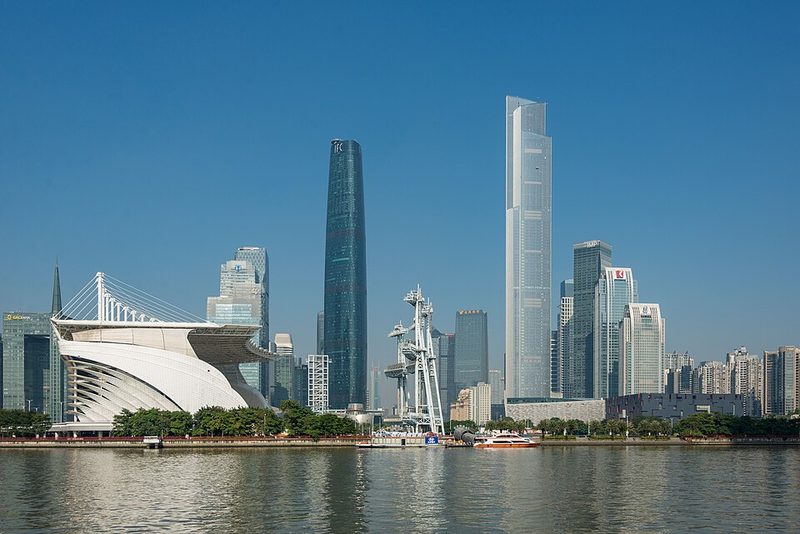
Guangzhou functions as both a commercial powerhouse and a living city where millions navigate daily routines. The Zhujiang New Town economic district represents the city's modern financial ambitions, while the Canton Fair draws traders from across the globe. This emphasis on business and trade shapes the character of the place—it has always been pragmatic, outward-looking, and driven by commerce rather than court politics.
The city hosts multiple religious traditions including Taoism, Buddhism, Christianity and Islam, reflecting centuries of international contact. Cultural landmarks like the Ancestral Temple of the Chen Family showcase clan-based social structures that persist in some form in contemporary life. The Museum of the Western Han Dynasty Mausoleum of the Nanyue King preserves over 10,000 funerary objects, including a celebrated Jade Burial Suit, offering glimpses into the city's ancient past. The Sun Yat-sen Memorial Hall honours a founding figure of modern China, anchoring 20th-century history in the urban landscape.
Guangzhou is described locally as a "migrant city"—modern high-rises coexist with older neighbourhoods where traditional ways of living continue alongside contemporary development. This creates visual and cultural contrasts that newcomers often remark on.
**What Visitors Notice**
White Cloud Mountain, with over 30 peaks, is regarded as the most beautiful mountain in Guangzhou and offers a natural anchor in the urban setting. Yuexiu Park features the iconic Five-Ram Sculpture, a symbol tied to local identity. Pedestrian streets, shopping malls and the diverse dining scene give the city a cosmopolitan feel, while the Pearl River itself—visible from many vantage points—remains a constant reminder of why this city exists where it does.
The South Railway Station, located 17 kilometres south of central Guangzhou in Panyu District, was Asia's largest railway station by area when it opened in 2010 and handles substantial modern rail traffic. This scale of infrastructure reflects the city's regional importance.
**Getting There and Around**
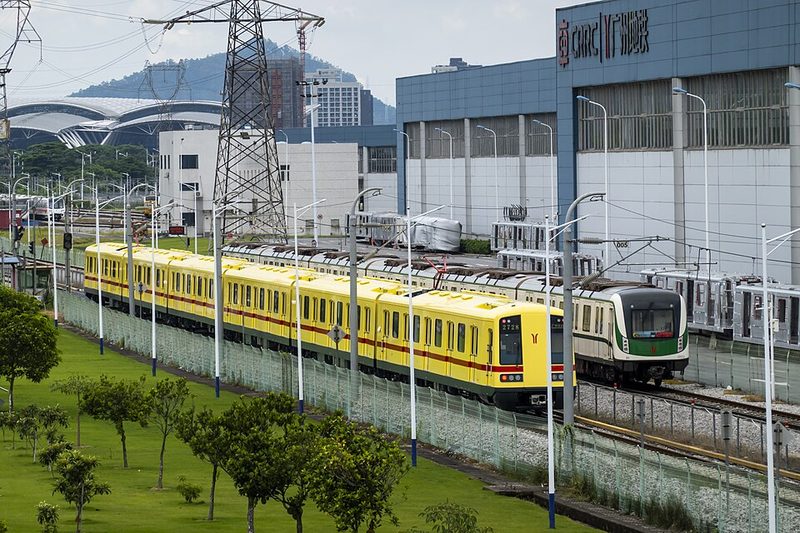
Guangzhou is served by modern transport infrastructure. The South Railway Station provides high-speed and regional rail connections. For intercity travel, highways and bridges connect the city to neighbouring regions including Hong Kong (about 120 kilometres to the southeast) and Macau (about 145 kilometres south). Local public transport includes modern metro and bus systems serving the sprawling urban area.
**Practical Notes**
Before visiting, check official travel advice. The UK Foreign Office and US State Department both advise on travel to China, noting the typhoon season and general security considerations. Travel insurance should cover your planned activities and expenses. Guangzhou's postal code is 510000, and the area code is 020 for telephone calls.