Image: Wikipedia / Wikimedia Commons
Image: Wikipedia / Wikimedia Commons
Havana is the beating heart of Cuba, a sprawling coastal city where colonial architecture meets revolutionary history, and where the rhythm of Caribbean life pulses through centuries-old streets. As the capital and largest city of Cuba, Havana serves as the nation's main port and commercial hub, drawing visitors with its distinctive character shaped by isolation, resilience, and a unique cultural heritage found nowhere else in the region. This is a place where time seems to move differently, where the past is woven into the present, and where the warmth of its people reflects a deep connection to their home.
Havana sits on the northwestern coast of Cuba at coordinates 23.13302 degrees North and 82.38304 degrees West, positioned at just 41 meters above sea level. The city sprawls across a considerable area, making it not only Cuba's largest city but also the second-largest metropolitan area in the entire Caribbean region. The metropolitan zone extends across 8,475.57 square kilometers, while the capital city proper covers 728.26 square kilometers. This geographic scale means Havana encompasses diverse neighborhoods with their own character, from the tightly packed streets of Old Havana near the harbor to the more spread-out residential and commercial areas extending inland.
The city's location on the Caribbean coast has defined its history and development. Havana's excellent natural harbor made it a crucial strategic port from its earliest days, and this maritime connection remains central to understanding the city's identity. The Straits of Florida lie just 160 kilometers to the north, a geographical fact that has profoundly shaped Cuban and Havana-specific history over centuries.
Havana's past is layered and complex, visible in its architecture and street layout. The oldest section, Old Havana, contains one of the most intact examples of Spanish colonial urban planning in the Americas. Walking these streets, visitors encounter buildings that span centuries, from the 16th century onward, though like many historic cities, Havana contains structures from many periods. The city was established as a settlement in the early 1500s and grew to prominence as a fortified port city, its significance recognized through substantial investments in defensive structures and infrastructure.
The architectural heritage tells stories of multiple eras. Colonial mansions with internal courtyards, fortress walls, and baroque churches speak to Spanish colonial wealth and power. Later periods added their own layers, reflecting changing economic circumstances and the city's role at different moments in history. For those interested in understanding Caribbean and Cuban history, Havana's physical landscape serves as an open book.
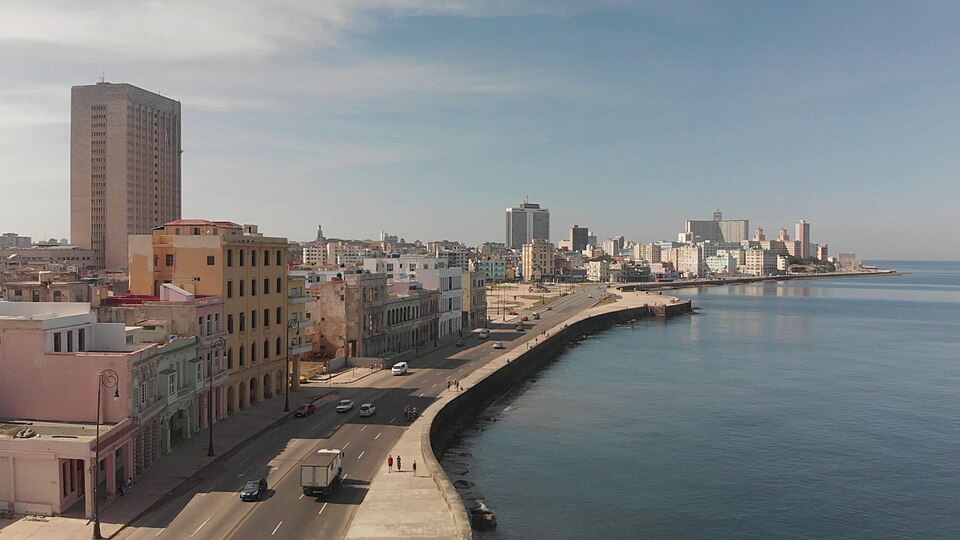
Havana's appeal lies largely in its urban landscape and the experience of moving through its neighborhoods. Old Havana, with its narrow streets and restored colonial plazas, draws most visitors seeking to experience the city's historical character. The waterfront areas offer perspectives on the city's maritime identity, and the Malecon, the famous seawall, provides a gathering place where residents and visitors alike can enjoy views of the Caribbean and the sunset.
Beyond Old Havana, the city's neighborhoods reveal different facets of local life. The broader urban area contains parks, residential quarters, and commercial districts that show how contemporary Havana functions. The Caribbean setting means tropical vegetation is visible throughout the city, and the coastal geography provides numerous waterfront areas. Museums and cultural institutions throughout the city offer perspectives on Cuban and Havana-specific history, though visitors should research current options and hours before planning visits.
For those interested in urban culture, Havana offers the experience of a major Caribbean city with a distinctive character shaped by its unique circumstances. Street life, local markets, and public spaces show daily Havana rather than curated tourist attractions. The experience of simply moving through the city—observing how people live, work, and socialize—often proves as memorable as any specific site.
Havana is served by Jose Marti International Airport, the main transportation hub for international arrivals. The city is also reachable by sea, with cruise ports and ferry connections serving various routes. Once in the city, transportation options include public buses, taxis, and private transportation services. The city's scale means that some areas are walkable while others require motorized transport. Traffic patterns and transportation infrastructure differ significantly from North American or European cities, and visitors should plan accordingly.
With a population of 2,163,824 in the capital city proper, Havana is home to millions of Cubans whose daily lives center on work, family, and community. The city functions as Cuba's primary economic engine, concentrating the country's commercial activity, government operations, and major industries. Tourism plays a significant role in the contemporary economy, particularly in Old Havana and beach areas, but locals work across numerous sectors including maritime industries tied to the port, services, and government. For residents, Havana represents opportunity and connection in ways that shape daily life—it is where jobs concentrate, where cultural activities center, and where national events unfold.
Havana, Cuba operates on America/Havana timezone. The city's population was counted at 2,163,824 in recent census data, with metropolitan area populations exceeding 2.1 million residents. The elevation of 41 meters above sea level contributes to a tropical climate with warm temperatures year-round and a distinct rainy season. Visitors should verify current conditions, requirements, and local circumstances before traveling, as conditions can change. The city's character and practicalities for visitors differ substantially from more typical Caribbean tourist destinations, making advance research and realistic expectations important for a rewarding visit.
View larger map — © OpenStreetMap contributors
Flight delayed or cancelled?
You could be owed up to €600 compensation. Check your eligibility for free.Do you know Havana?
Share local tips, recommend a hotel, list a business or add a photo.
✏️ Share your knowledge about HavanaDo you know Havana?
Share local tips, recommend a hotel, list a business or add a photo.
✏️ Share your knowledge about Havana