Image: Wikipedia / Wikimedia Commons
Image: Wikipedia / Wikimedia Commons
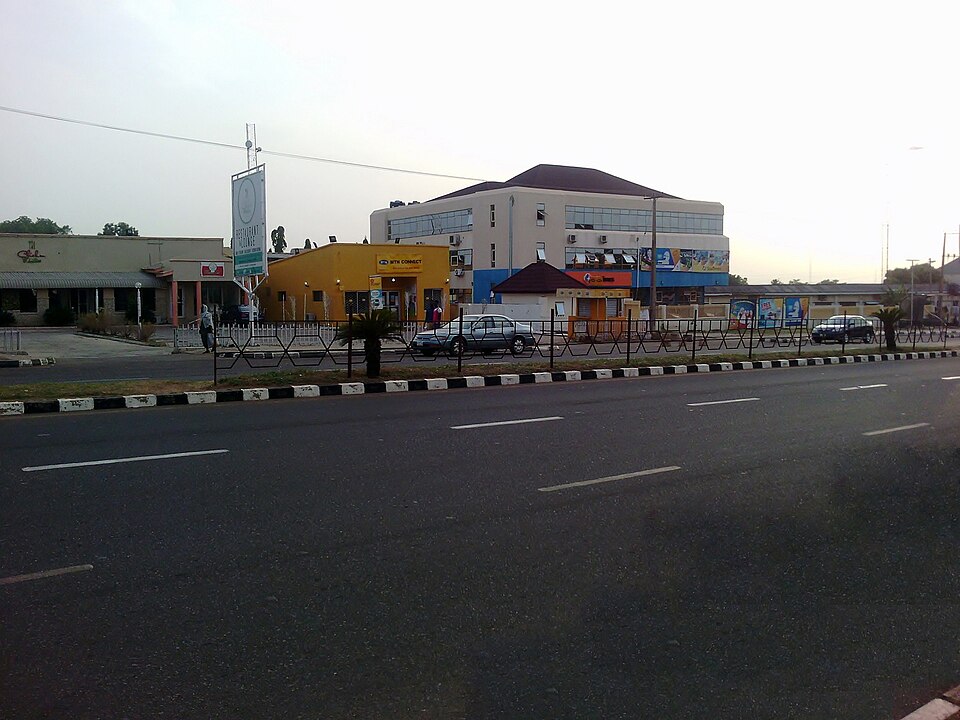
Ilorin, the capital of Kwara State, is a city where history, culture, and commerce converge in Nigeria's Western region. With a population of approximately 1,080,000 people, this energetic urban centre represents one of Nigeria's significant cities by size and influence. Though administratively positioned within the North-Central geopolitical zone, Ilorin maintains a distinctly Yoruba character that defines its culture, traditions, and social fabric — a heritage that shapes everything from daily life to major festivals throughout the year.
Ilorin is situated at coordinates 8.49664°N, 4.54214°E, at an elevation of 320 metres above sea level. This moderate elevation places the city in a zone with a relatively pleasant climate compared to lower-lying regions, with vegetation and landscape characteristic of Nigeria's transitional savannah-forest belt. The city's geographic position in the Western region has historically made it an important crossroads for trade and movement between different parts of Nigeria, contributing to its cosmopolitan atmosphere and diverse population.
The landscape surrounding Ilorin reflects the natural characteristics of Kwara State, with undulating terrain and vegetation patterns typical of this part of Nigeria. The city itself has expanded considerably from its historic core, spreading across the surrounding terrain as its population has grown over recent decades. The elevation and geographic positioning have also influenced the city's development patterns and the types of agricultural and commercial activities that dominate the surrounding areas.
Ilorin carries centuries of history within its boundaries, and understanding this past is essential to appreciating the city as it exists today. The city's founding and early development are intertwined with Yoruba history and the broader political movements that shaped the region. The arrival of Islam in Ilorin is a significant part of the city's historical narrative, introducing religious and cultural dimensions that remain visible in the city's architecture, institutions, and daily life. This Islamic heritage coexists with traditional Yoruba practices, creating a unique cultural blend that distinguishes Ilorin from many other Nigerian cities.
The historical significance of Ilorin extends beyond religious and cultural matters into the political sphere. As the city developed, it became an important administrative and commercial centre, roles it has maintained and expanded upon in contemporary times. The various quarters and districts within Ilorin often reflect different periods of the city's expansion and development, with older sections preserving architectural styles and urban layouts from earlier eras alongside more modern neighbourhoods that have emerged with recent growth.
Visitors to Ilorin will find a city rich with cultural landmarks and experiences that reflect its unique heritage. The city's numerous mosques, some of considerable age and architectural interest, stand as testament to centuries of Islamic tradition. Beyond religious sites, Ilorin offers cultural and historical attractions that speak to its Yoruba roots and its evolution as a regional centre. The city's markets are vibrant expressions of local commerce and culture, where visitors can experience the energy and social rhythms that characterise urban life in Nigeria.
The surrounding landscape of Kwara State provides opportunities for those interested in natural scenery and outdoor activities. The region's vegetation and terrain offer different experiences depending on the season and specific locations, though visitors should plan visits with an understanding of local conditions and accessibility. Local guides and community organisations can often provide valuable insights into both cultural sites within the city and natural areas in the surrounding region, though visitors should research current conditions and make local enquiries before planning specific excursions.
Ilorin is accessible by road from other major Nigerian cities, with the city serving as a natural stopping point for travellers moving between different regions of the country. Several major roads connect Ilorin to Abuja, Lagos, and other important centres, making it reachable by personal vehicle, commercial buses, and other forms of road transport. The city's role as a regional hub means that various transport operators maintain routes to and from Ilorin, though travellers should make enquiries about current schedules and services.
Within the city, local transport includes taxis, commercial motorcycles, and informal transport services typical of Nigerian urban areas. Like many Nigerian cities, Ilorin's layout has developed organically over time, and navigation can be aided by local knowledge. Visitors unfamiliar with the city should seek advice from hotel staff, local contacts, or residents regarding the most efficient and safe ways to move around.
Ilorin's economy traditionally rested on agriculture and trade, and these sectors continue to be important to the surrounding region. The city serves as a commercial and administrative hub for Kwara State, generating employment across government, education, healthcare, and commercial sectors. The presence of educational institutions contributes significantly to the city's character and economy, attracting students and staff from across Nigeria and beyond. Markets throughout the city bustle with activity, reflecting the commercial vitality that characterizes urban life here. For residents, Ilorin offers the opportunities and challenges typical of a mid-sized Nigerian city — employment possibilities, educational institutions, and cultural institutions alongside the infrastructure demands of a growing urban population.
Ilorin, Kwara State's capital, sits at 8.49664°N latitude and 4.54214°E longitude, positioned at 320 metres elevation. The city operates in the Africa/Lagos timezone. Current population estimates place Ilorin at approximately 1,080,000 residents, making it a substantial urban centre in Nigeria's demographic landscape. Visitors and residents should refer to official sources and local authorities for current information regarding services, regulations, and conditions within the city.
View larger map — © OpenStreetMap contributors
Flight delayed or cancelled?
You could be owed up to €600 compensation. Check your eligibility for free.Do you know Ilorin, Kwara State?
Share local tips, recommend a hotel, list a business or add a photo.
✏️ Share your knowledge about Ilorin, Kwara StateDo you know Ilorin, Kwara State?
Share local tips, recommend a hotel, list a business or add a photo.
✏️ Share your knowledge about Ilorin, Kwara State