


What Incheon is known for
Incheon sprawls across the Han River estuary in northwestern South Korea, 28 kilometres from Seoul, where ancient trade routes meet modern container terminals. With over three million residents, it ranks as the country's third-largest city—yet many international visitors know it mainly as the gateway through Incheon International Airport before heading inland. The reality proves more substantial: Incheon is where Korea's contemporary industrial character takes clearest shape, threading together port infrastructure, historical districts, and ambitious reclamation projects.
Arrival and Geography
The city occupies reclaimed coastal land and low hills along the Yellow Sea coast. Gyeyangsan, the principal peak, rises to 395 metres. The landscape reads as neither fully urban nor suburban; instead it carries the texture of a working port city built in concentrated phases. Seaward, visitors encounter container yards, logistics zones, and the infrastructure of Incheon International Airport on Yeongjong Island. The central districts reveal mixed residential neighbourhoods, older commercial streets including the Chinatown area near the original port, and newer high-rise developments. Ganghwa County, part of Incheon's administrative territory, lies to the northwest and retains more rural character, including UNESCO-listed dolmen sites dating to the Bronze Age.
Incheon Station, established in 1899 as Chemulpo Station under the Korean Empire, serves as the western terminus of the Suin–Bundang and Gyeongin lines connecting directly to Seoul's metropolitan subway network. The station sits in Jung District, approximately 20 kilometres west of Seoul city centre, making the journey manageable as either a day trip or short stay destination.
Historical Development
Archaeological evidence confirms Neolithic settlement in the region, yet Incheon's modern trajectory began in 1883 when it opened as an international port under the Korean Empire. At that moment, the settlement held just 4,700 people. The designation as a treaty port fundamentally altered the city's scale and character. Chinese merchants established a settlement area near the port following its opening in 1884, creating what became Korea's first Chinatown. Incheon Station, dating to 1899, remains the oldest functioning railway station in the Seoul Capital Area, though it was damaged during the Korean War and subsequently rebuilt.
The Incheon Landing Operation of September 1950, led by General Douglas MacArthur during the Korean War, represents the most consequential military event in the city's modern history. A memorial hall dedicated to this operation operates in the city. Metropolitan city status arrived in 1995, formally recognizing Incheon's demographic and economic significance. The population reached approximately three million by 2020.
Economy and Urban Character
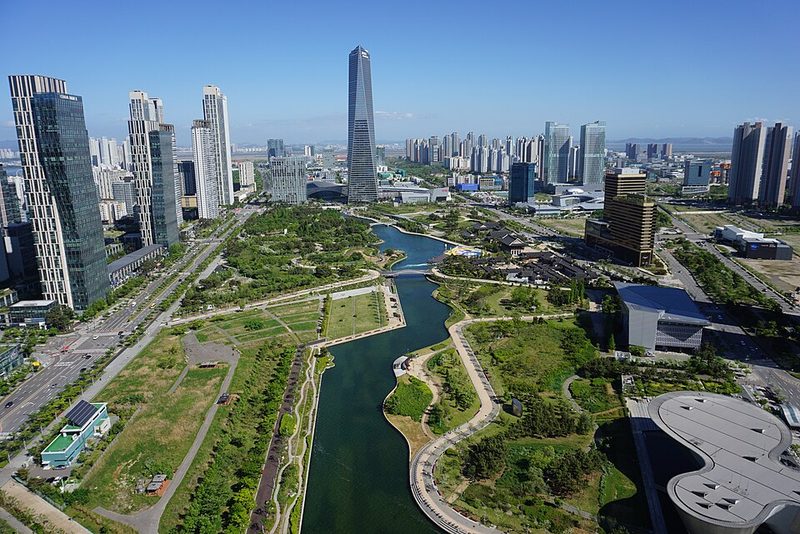
Incheon's economy remains inseparable from logistics: movement of goods through its port facilities, of passengers through Incheon International Airport, and of capital through its Free Economic Zone designation. Major industrial operations include Hyundai Steel, Samsung Biologics, and POSCO International, establishing Incheon as a substantial manufacturing centre. New Songdo City, developed on reclaimed land within the Free Economic Zone, represents an attempt to build a technologically advanced residential and commercial district from the ground up, including Songdo Central Park as its recreational centrepiece.
For residents, this industrial reality coexists with neighbourhood-scale commerce. Traditional markets function as vital social spaces. Regional food specialties—Ganghwa ginseng, Ganghwa saeujeot (salted shrimp), and locally grown rice—circulate through local commerce. The Chinatown district preserves mercantile and cultural character rooted in early 20th-century immigration and trade networks. Traditional crafts including wanggol crafts, hwamunseok weavings, and hwabangsseok floor coverings continue primarily within Ganghwa County, representing skills that survived industrial transformation.
What Visitors Encounter
The Chinatown district near the original port area offers concentrated historical texture: older buildings, narrow commercial streets, food vendors, and visible evidence of cultural exchange spanning more than a century. The area is known as the birthplace of jajangmyeon, the Korean-Chinese noodle dish that originated as quick meals for Chinese labourers working the Incheon Port docks. Restaurants including Gonghwachun maintain this culinary heritage.
Wolmido Island, accessible from the mainland, features Wolmi Theme Park (also known as Wolmi Zzang Land), an amusement park spanning 13,200 square metres with approximately 30 rides including a 70-metre-high attraction. The island has functioned as a recreational area since the early 20th century.
Ganghwa County's attractions include the Bugeun-ri dolmen site, part of the Gochang, Hwasun and Ganghwa Dolmen Sites UNESCO World Heritage listing. These megalithic structures served as grave markers and ritual sites during the first millennium BCE. Approximately 150 dolmens remain on Ganghwa Island, with the Bugeulli structure being the most significant. The county also contains Jeondeungsa temple and historical fortress structures dating to the 13th century. Walking trails and cycling routes provide access to this terrain, though specific route conditions should be verified locally.
Songdo Central Park in the new development zone provides green space and waterfront access within the modern city. The contrast between this planned district and the older port neighbourhoods illustrates how Korean cities have expanded by layering new development alongside existing fabric rather than wholesale replacement.
Practical Considerations
Spring and autumn offer the most stable weather conditions for visiting. The city functions well as a two to three-day destination, providing sufficient variation to justify the time without requiring extended commitment. Visitors often combine Incheon with Seoul visits, taking advantage of the direct subway connection.
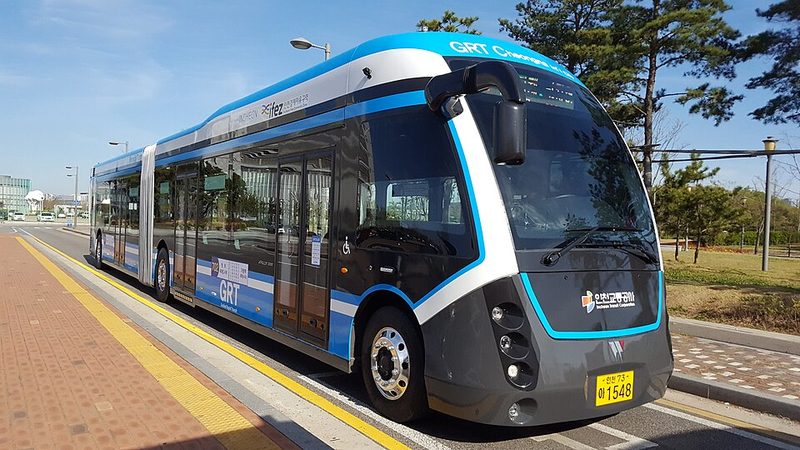
Incheon International Airport operates as the primary aviation gateway. The Airport Railroad Express (AREX) train connects the airport to Seoul Station in approximately 43 minutes, with stops at Incheon stations. Incheon Station in Jung District serves as a key transit point within the city. Local bus services operate throughout the metropolitan area, though specific route information and schedules should be confirmed with local sources or the Incheon Tourism Organization as services change.
South Korea maintains normal travel precautions nationwide according to both UK and US government travel advisories. No regional restrictions or elevated warnings apply to Incheon. Standard urban travel safety practices apply. Visitors should consult current official travel advice before departure.