Image: Wikipedia / Wikimedia Commons
Image: Wikipedia / Wikimedia Commons
Kaduna is a city of significant historical importance and contemporary vitality, serving as the capital of Kaduna State and a crucial junction between Nigeria's south and north. Situated on the Kaduna River in northwestern Nigeria, this city of approximately 1.85 million people has evolved from its colonial origins into a modern metropolitan center that maintains strong cultural roots while functioning as a major commercial and transportation hub. For travelers seeking to understand Nigeria's diverse regions and for those moving through the north, Kaduna offers both practical convenience and genuine local character worth exploring.
Kaduna occupies an elevation of 626 meters above sea level, positioning it in the transitional landscape between Nigeria's central plateau and the gentler terrain to the south. The city straddles the Kaduna River, which has historically influenced both settlement patterns and local life. Located at coordinates 10.52641N, 7.43879E, Kaduna operates on West Africa Time (Africa/Lagos timezone), the same as much of the country.
The city's geography has made it a natural crossroads. Its position along major road and rail networks means it functions as the gateway through which travelers and goods move into Nigeria's northern states. This geographical advantage has been the foundation of Kaduna's development as a trade center for over a century, connecting the agricultural and commercial interests of the north with markets and resources elsewhere in the country.
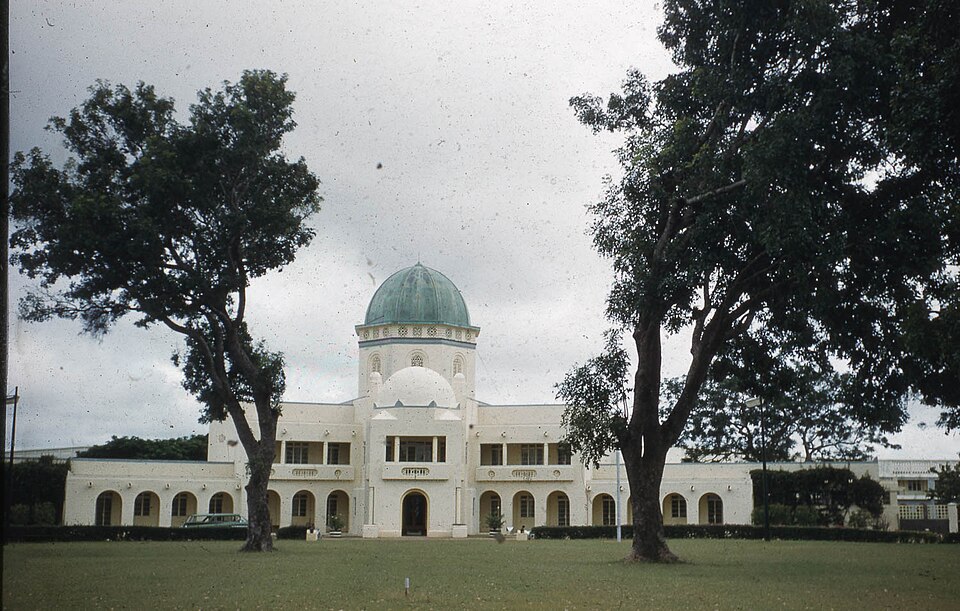
Kaduna's history is intertwined with British colonial administration. The city was established as a colonial settlement and served as the seat of political power for Northern Nigeria during the British protectorate era. This heritage is visible in the urban layout and architecture in certain quarters of the city, where broader streets and older institutional buildings reflect that period of planning.
The transition from colonial rule to independence fundamentally shaped Kaduna's trajectory. While it ceased to be the political capital of the north when Nigeria's federal system was restructured, Kaduna has maintained and developed its role as an important economic and cultural center. The city has grown substantially as a hub for commerce, industry, and services, drawing people from across Nigeria and beyond who recognize its strategic importance and opportunity.
Visitors to Kaduna can experience the Kaduna River, which remains a defining natural feature of the city. The river provides a pleasant setting for walks and reflection, particularly in areas where its banks are accessible to the public. The surrounding landscape transitions from urban development to open areas that offer glimpses of the region's natural environment.
Beyond the river itself, Kaduna's character emerges through its markets, neighborhoods, and the daily life of its diverse population. The city hosts various cultural institutions and gathering spaces that reflect both its historical significance and its contemporary role as a major northern city. Visitors interested in understanding Nigerian commerce and urban life will find Kaduna's commercial quarters particularly revealing, where bustling trade activity demonstrates the city's continued importance as an economic center. The residential and neighborhood areas showcase how people from different backgrounds have built community within this major urban center.
Those with a deeper interest in Nigerian history may find value in exploring the city's institutional buildings and understanding how colonial-era planning influenced its development. The educational and governmental institutions present throughout Kaduna also reflect its ongoing importance to the region.
Kaduna is highly accessible due to its role as a transportation hub. Major road networks connect the city to southern Nigeria and to states throughout the north, making it straightforward to reach by road from most parts of the country. The city also sits on Nigeria's rail network, providing an alternative for those preferring train travel. These connections mean that Kaduna functions naturally as a stopping point or gateway for many journeys within Nigeria.
Within the city, transportation relies primarily on informal networks of taxis and shared vehicles, which is typical of Nigerian cities of this size. The road infrastructure varies by area, and visitors should be prepared for the typical conditions of a large Nigerian city. Walking is possible in certain neighborhoods, though distances can be considerable.
For the 1.85 million people who call Kaduna home, the city represents opportunity and connection. The local economy remains anchored in trade and commerce, reflecting the historical role that brought the city into being. Beyond trade, Kaduna hosts light manufacturing, processing industries related to agricultural products, and service sectors that serve both the city and the broader region.
The population is notably diverse, reflecting Kaduna's historical role as a crossroads. Hausa, Yoruba, Igbo, and numerous other Nigerian ethnic and language groups have established communities here, creating a cosmopolitan character unusual among northern Nigerian cities. This diversity shapes local life, food, commerce, and the general atmosphere of the city.
Kaduna State's capital city sits at 626 meters elevation in the Africa/Lagos timezone. The metropolitan area is home to approximately 1.85 million people, making it a substantial African city. The city coordinates are 10.52641N, 7.43879E for those navigating using GPS or mapping applications.
Visitors should plan visits with awareness of Kaduna's size and complexity. As with any major Nigerian city, standard precautions regarding personal security and awareness of one's surroundings apply. The city offers genuine insights into northern Nigerian life and commerce that reward those willing to engage with it respectfully and observantly.
View larger map — © OpenStreetMap contributors
Flight delayed or cancelled?
You could be owed up to €600 compensation. Check your eligibility for free.Do you know Kaduna, Kaduna State?
Share local tips, recommend a hotel, list a business or add a photo.
✏️ Share your knowledge about Kaduna, Kaduna StateDo you know Kaduna, Kaduna State?
Share local tips, recommend a hotel, list a business or add a photo.
✏️ Share your knowledge about Kaduna, Kaduna State