Image: Wikipedia / Wikimedia Commons
Image: Wikipedia / Wikimedia Commons
Kano stands as one of West Africa's most historically significant cities and Nigeria's second largest urban center. With a population of 4.91 million people, this ancient metropolis has served as a crossroads of commerce, culture, and human settlement for more than a thousand years. Today, Kano remains a vibrant blend of the traditional and modern, where centuries-old trade routes still pulse with economic energy and Islamic heritage shapes the rhythm of daily life.
Kano is situated in northern Nigeria at coordinates 12.00012 degrees North and 8.51672 degrees East, positioned at an elevation of 484 meters above sea level. The city occupies an area of 449 square kilometers within the state boundaries, making it a sprawling metropolitan region that extends well beyond its historical center. Geographically, Kano exists in the savanna zone, positioned just south of the Sahel region. This location has profoundly shaped the city's destiny—it sits naturally along the historic trans-Saharan trade routes that connected sub-Saharan Africa with North Africa and the Mediterranean world for centuries.
The landscape surrounding Kano is characterized by open grasslands and semi-arid savanna typical of northern Nigeria. While the natural vegetation is sparse compared to southern regions, the area receives sufficient rainfall during the monsoon season to support agriculture and livestock herding, which remain important to the regional economy. The city itself operates on Africa/Lagos time, and visitors should note that this equatorial timezone applies throughout the year with no daylight saving adjustments.
Kano's history extends far beyond Nigeria's modern borders. Archaeological evidence suggests human settlement in the region stretches back millennia, but the city as a major historical and commercial center truly emerged during the medieval period. For centuries, Kano was renowned throughout the Islamic world and beyond as a center of trade in textiles, leather goods, and other commodities. Merchants from across North Africa, the Middle East, and sub-Saharan Africa converged here, making it one of the most cosmopolitan cities in pre-colonial West Africa.
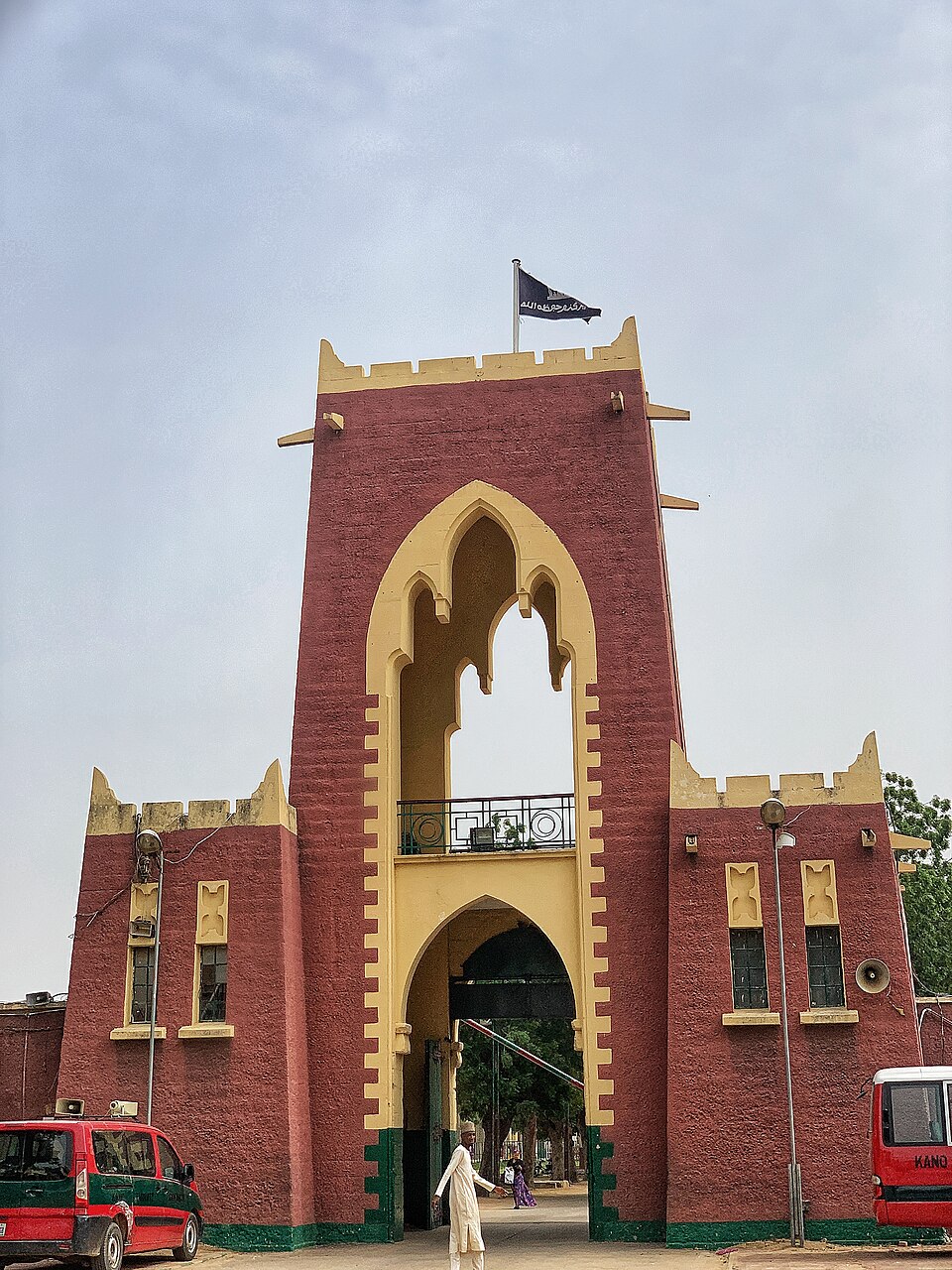
The Dabo dynasty established itself as the ruling house of Kano in the 19th century, and their legacy continues today through the Kano Emirate Council, which functions as the traditional institution governing customary affairs within the city. The Emir of Kano remains an important cultural and spiritual figure for the populace. The old city, with its historic walls and dense neighborhoods, preserves something of this layered past, though modern urban expansion has transformed much of the metropolitan area. Islamic architecture, including mosques and traditional compounds, reflects centuries of religious and cultural life. The old Dye Pits represent one of Kano's most distinctive heritage features—ancient indigo dye vats that have been used for fabric dyeing for generations and continue to operate today, offering a tangible connection to the city's textile trading heritage.
Visitors to Kano should prepare themselves for an immersive experience of northern Nigerian culture rather than expect conventional tourist attractions. The old city itself is the primary draw, with its winding streets, traditional architecture, and bustling markets reflecting centuries of accumulated history. Walking through the older quarters provides insight into how Kano's residents have organized their urban space for generations. The Friday Mosque and other major Islamic sites are architecturally significant, though visitors should be respectful of prayer times and Islamic customs.
The natural environment around Kano offers opportunities for understanding the savanna ecosystem and the pastoral traditions that remain important to the region. The surrounding countryside is home to cattle herds and farming communities whose livelihoods depend on the seasonal patterns of rainfall and drought. For those interested in contemporary Kano, the city's markets—particularly the central markets dealing in textiles, leather, and agricultural products—provide windows into the commercial life that has always defined this place. The arts and crafts traditions remain alive in the city, and observant visitors can witness craftspeople at work, though it is important to be respectful and seek permission before photographing or engaging with individuals.
Kano is well-connected to other major Nigerian cities by road, and the Kano International Airport provides air access for those traveling from Lagos, Abuja, and other major hubs. Within the city, transportation options include taxis, motorcycle taxis, and informal shared vehicles that serve as the primary means of getting around for most residents. The sprawling nature of Kano means that distances between neighborhoods can be significant, so planning your movements in advance is advisable. Road conditions vary throughout the city, and visitors should exercise caution when navigating unfamiliar areas, particularly during rainy season when some routes may be difficult to traverse.
Kano remains an industrial and commercial hub for northern Nigeria. The city has a strong manufacturing sector, particularly in food processing, textiles, and leather goods—industries with deep historical roots in the region. Agriculture surrounds the city, with farming communities producing grains, groundnuts, and other crops that feed both local markets and national commerce. Trade continues to animate Kano's economy much as it has for centuries, though the nature of that trade has evolved. The city is also a center for Islamic scholarship and learning, with several institutions of higher education operating here. For residents, Kano represents opportunity, cultural continuity, and connection to a proud historical legacy.
Kano has a population of approximately 4.91 million people, making it Nigeria's second-largest city. The elevation is 484 meters above sea level. The timezone is Africa/Lagos. The city experiences a Sahel climate with hot, dry conditions for much of the year and a rainy season during the summer months.
View larger map — © OpenStreetMap contributors
Flight delayed or cancelled?
You could be owed up to €600 compensation. Check your eligibility for free.Do you know Kano, Kano State?
Share local tips, recommend a hotel, list a business or add a photo.
✏️ Share your knowledge about Kano, Kano StateDo you know Kano, Kano State?
Share local tips, recommend a hotel, list a business or add a photo.
✏️ Share your knowledge about Kano, Kano State