

What León is known for
León is Mexico's leather and footwear capital, a title earned through 450 years of continuous production. This city of 1.6 million sits at 1,806 metres above sea level in the central BajÃo region, functioning as an industrial and business hub rather than a conventional tourist destination. The metropolitan area, which includes neighbouring Silao de la Victoria, ranks as Mexico's seventh-largest urban zone. What defines León is its working character—manufacturing districts, trade infrastructure, and commercial energy dominate the cityscape.
Setting and Arrival
The highland elevation shapes both climate and atmosphere. Temperatures remain moderate year-round, and the plateau setting creates wide horizons across much of the city. León sprawls across terrain once valued for agricultural fertility, though urban development now covers most of that landscape. The density is noticeable: commerce, industry, and daily life occupy the same streets, creating a purposeful urban environment driven by business rather than heritage display.
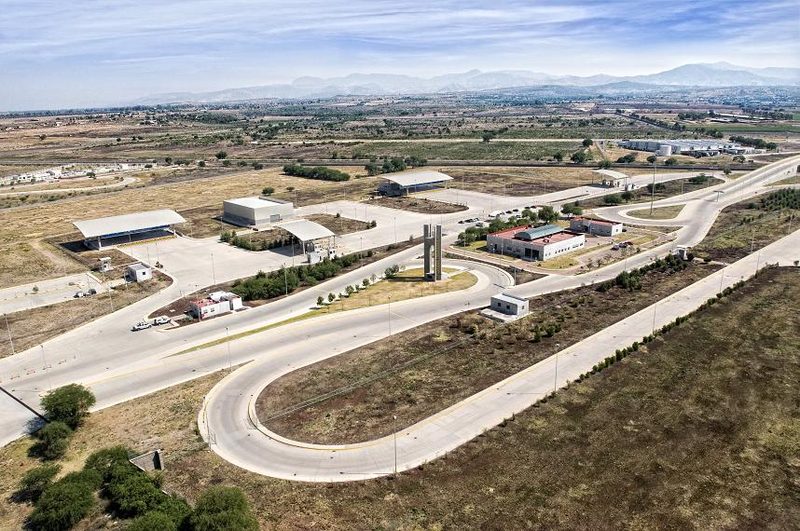
Del BajÃo International Airport (BJX), located in nearby Silao approximately 30 kilometres from central León, serves the region and connects to major Mexican cities and some international destinations. The airport also serves San Miguel de Allende (approximately 90 kilometres) and Guanajuato city (roughly 55 kilometres). Road connections via Mexico's federal highway network link León to other BajÃo cities and beyond. Local transport operates within the metropolitan area; visitors should verify current route and service details locally.
Historical Foundation and Economic Identity
Founded on 20 January 1576 as a fortified military outpost, León—originally Villa de León—served to protect Spanish caravan routes from Chichimeca raids. The fertile BajÃo plateau offered both strategic advantage and agricultural resources. The settlement received formal city status by 1580, and its location evolved from defensive necessity into economic asset.
Shoemaking and leather work took root over subsequent centuries, becoming the city's defining characteristic. The tradition that began as local craft consolidated into industrial identity, surviving and strengthening through Mexico's industrialisation. León's formal name, León de Los Aldama, carries regional and national significance. The city's population nearly doubled between 2010 and 2020, reflecting sustained economic demand and inward migration.
The Leather and Footwear Industry
Leather production, which started in León in 1654, accelerated with the introduction of railway infrastructure. Today the industry defines the city's economy and international profile. In 2024, León-based companies exported approximately $6.74 billion in goods, with footwear and leather products—rubber-soled shoes, plastic and composition leather uppers, and accessories—representing the majority. Motor vehicle parts and control instruments also feature among significant exports, indicating economic diversification beyond footwear alone.
The Zona Piel (Leather District) operates as a concentrated commercial zone where thousands of vendors offer leather goods: shoes, boots, bags, jackets, belts, and accessories in varied styles and quality levels. This district serves both wholesale buyers and retail customers. The concentration reflects León's position as a production and distribution centre for leather products destined for domestic and international markets.
Business Infrastructure and Events
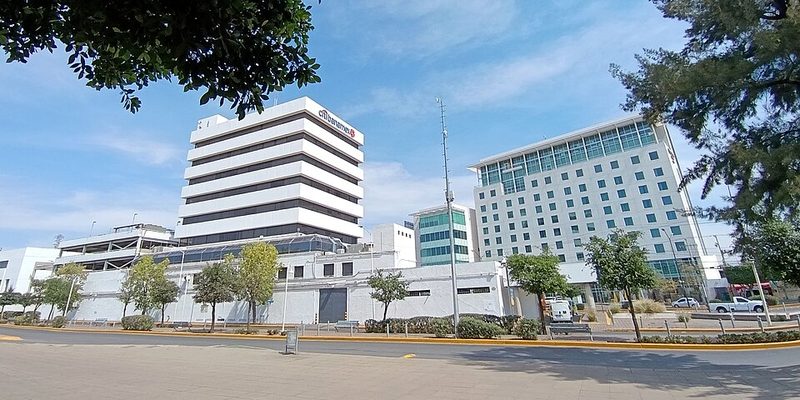
León has developed into Mexico's leading destination for meetings, congresses, and conventions. The infrastructure supports this role: purpose-built venues, solid hotel capacity, and professional services cater to corporate gatherings and trade events. International expositions and specialised trade fairs, including SAPICA (the leather and footwear trade show), anchor the business calendar and draw industry professionals from multiple countries.
The International Balloon Festival, established in 2002, has grown into one of the three largest hot air balloon events globally. Held annually in November, the festival attracts over 200 balloons from countries including Germany, Brazil, Turkey, the United States, France, and Switzerland, and draws more than 500,000 spectators. Other international events include the Contemporary Art Festival, Film Festival, and International Cervantes Festival. The FIA World Rally Championship and FIM World Motocross Championship bring international sporting attention to the city.
Architecture and Cultural Sites
The Cathedral BasÃlica Metropolitana serves as a central landmark. The Templo Expiatorio del Sagrado Corazón de Jesús presents striking neo-Gothic architecture with elaborate detailing. Construction features include lateral stained glass windows depicting the Annunciation, the Nativity, Calvary, the Coming of the Holy Spirit, and the Ascension of Christ, with central windows showing Christ as King of the Universe. The temple contains more than twenty altars and seven crypts constructed in the basement, forming a network of chapels and passages with approximately 1,900 crypts. The structure has earned comparisons to European Gothic cathedrals and represents significant architectural ambition.
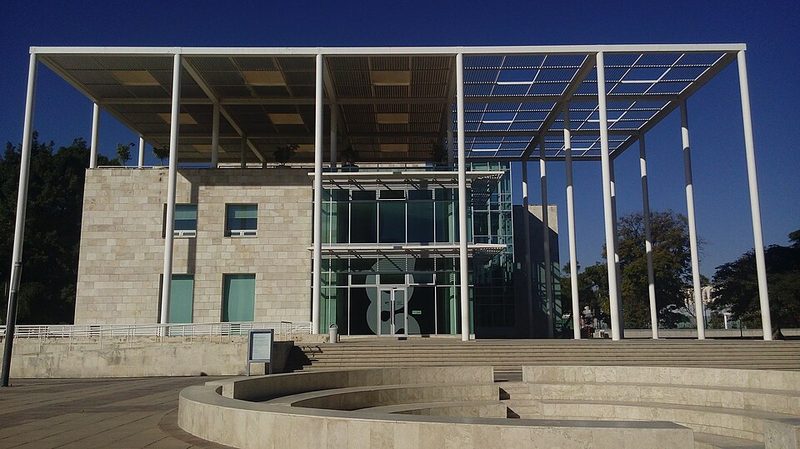
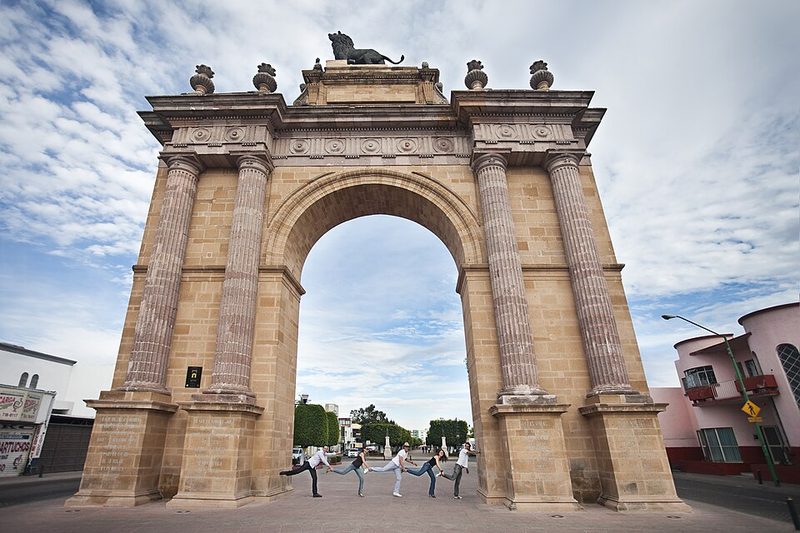
The Municipal Palace occupies the site of a former Pauline Fathers' college. The Fountain of the Lions in Founders' Plaza commemorates the city's 400th anniversary. The Forum Cultural Guanajuato and other cultural spaces host exhibitions and performances. The Museo de Arte e Historia de Guanajuato offers exhibitions ranging from pre-Hispanic artefacts to contemporary art, highlighting regional talent and historical development.
Parks and Public Spaces
The Metropolitan Park of León provides walking paths and recreational facilities. Parque Ecológico Explora attracts families and serves as a location for birdwatching. Additional parks—Parque Hidalgo and others—offer green space within the dense urban environment. The city operates a zoo and aquarium (Acuario Sealand León) as family attractions. State fairs and exhibitions occur throughout the year, reflecting the city's blend of commercial and public programming.
Day Trips and Regional Context
León's location in the BajÃo region places it within reach of other significant destinations. Guanajuato city, a UNESCO World Heritage Site approximately 55 kilometres northwest, offers colonial architecture, hillside setting, and cultural attractions. San Miguel de Allende, another UNESCO World Heritage Site roughly 90 kilometres southeast, draws visitors for its preserved colonial centre and arts scene. Both destinations are accessible via road from León, making the city a potential base for exploring the wider BajÃo region. The Sierra de Lobos, closer to León, offers natural landscape. El Cubilete, a hilltop monument near Silao, provides views across the region.
Practical Considerations
León functions as a working city of substantial scale, not as a heritage site or beach resort. Its strengths lie in industrial heritage, business infrastructure, and regional positioning rather than conventional tourism development. The highland elevation affects climate and physical exertion—visitors should allow time for acclimatisation if arriving from lower elevations. The city operates at a commercial pace; accommodation and services cater primarily to business travellers and regional visitors rather than international tourists.
Information on specific accommodation options, dining, and detailed transport schedules should be obtained from current local resources or Guanajuato state tourism offices. The metro area is extensive, and distances between points of interest can be significant. Planning transport logistics in advance is advisable.