

What Liverpool is known for
Liverpool occupies the eastern shore of the Mersey Estuary in northwest England, 178 miles northwest of London. The city proper holds just under 500,000 residents, but the wider Liverpool City Region supports over 1.5 million people. This is a working port that evolved from a royal charter granted by King John in 1207 into one of Britain's major trading hubs. The waterfront, docks and low-lying terrain—roughly 30 metres above sea level—shape the physical character of the place.
Arriving and Getting Oriented
The city spreads inland from the Mersey's tidal banks. Weather comes off the Irish Sea with Atlantic influence, bringing changeable conditions and frequent grey skies punctuated by bright intervals. The waterfront district runs along the river, where Albert Dock and the pier head contain historic warehouse conversions and museums. The commercial centre sits just inland. Residential and cultural quarters extend outward from there.
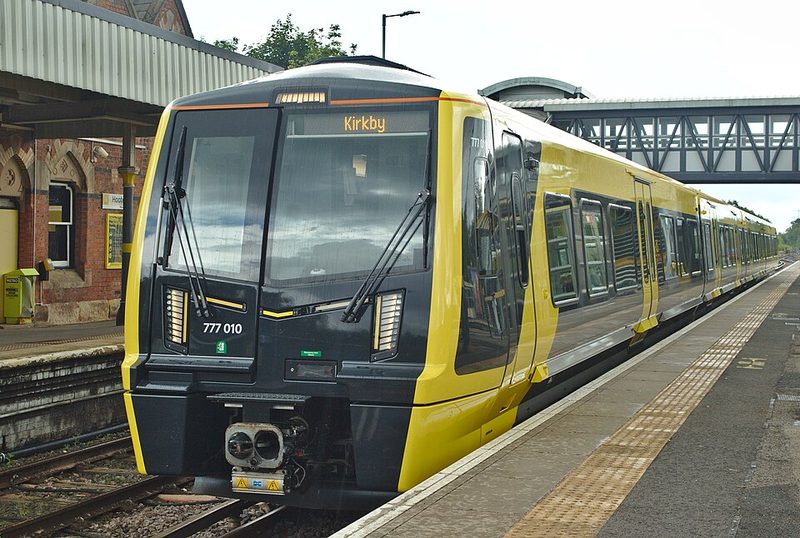
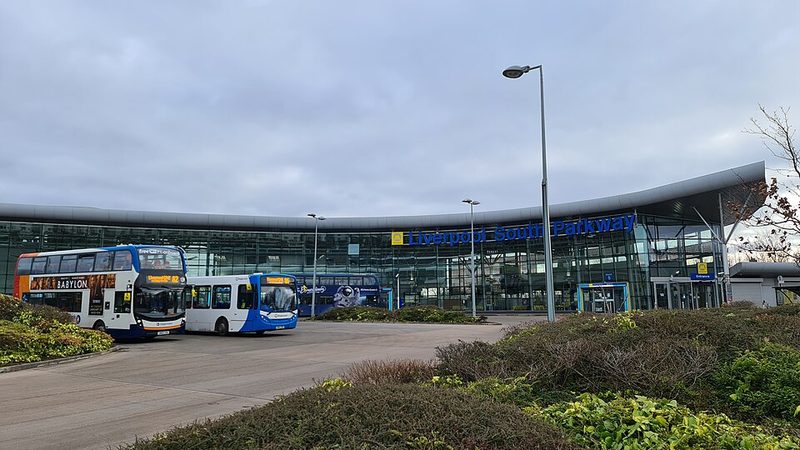
Rail connections link Liverpool to London and other English cities. Ferry services cross the Mersey. Local bus networks serve the city and surrounding areas. Visitors should check current routes and schedules locally, as services and frequencies vary.
Historical Context
Liverpool's documented history begins with King John's 1207 charter establishing a military port to supply campaigns in Ireland. Before that date, the settlement was too small to appear in the Domesday Book of 1086. The charter created a weekly market and annual fair, divided land into burgages to attract settlers, and planted the seed for urban growth.
The city's expansion came from transatlantic trade—including documented involvement in the slave trade—and intensified during the Industrial Revolution. By the 20th century, Liverpool had become a major manufacturing and trading centre. The post-war decades maintained that role, but the 1980s brought painful economic restructuring as containerisation and shifting trade patterns forced reorganisation. Recovery began in the 1990s, shifting toward cultural and service-based economic activity.
In 2008, Liverpool was named European Capital of Culture, a designation that acknowledged both historical significance and contemporary cultural identity. The Hillsborough disaster of 1989, though it occurred at a Sheffield stadium during a match involving Liverpool F.C., deeply affected the city and remains part of Liverpool's modern lived experience.
What the City Offers
The waterfront and Albert Dock area contain museums including the Merseyside Maritime Museum, International Slavery Museum, and the Museum of Liverpool. Tate Liverpool, normally located at Albert Dock, is temporarily operating from RIBA North on Mann Island while its main building undergoes redevelopment. The Beatles Story museum occupies basement space in the Albert Dock building, recreating venues including the Cavern Club.
The actual Cavern Club operates on Mathew Street with two stages offering live music daily. The club's iconic front stage beneath brick arches draws visitors seeking the venue where the Beatles performed in their early years. Anfield stadium offers tours that include the home and away dressing rooms, press room, player tunnel, and the "This is Anfield" sign.
Hope Street connects Liverpool's two cathedrals—the Anglican cathedral at one end and the Catholic Metropolitan Cathedral at the other. Along that route sit the Liverpool Philharmonic Hall, the Philharmonic Dining Rooms (a pub with Grade I listed toilets), the Everyman Theatre, and the Liverpool Institute for Performing Arts, founded by Paul McCartney. This area forms part of the Georgian Quarter, which contains pubs, bars and cultural venues.
Sefton Park provides green space with walking routes. The Mersey Ferry operates services across the estuary. The Western Approaches museum, housed in the former Atlantic naval headquarters from the Second World War, documents wartime operations. St Luke's Church, known as the "Bombed-Out Church," remains as a war ruin and now hosts events including open-air cinema nights.
Local Identity
Residents identify as Scousers, a demonym that carries cultural weight and connects to local speech patterns and sense of place. The city wears its history visibly—medieval street patterns, Victorian warehouses, 20th-century civic buildings and contemporary development sit alongside one another. The port remains economically significant, though the nature of that work has transformed over centuries. Commerce, services, culture and education sustain current employment.
Liverpool's music heritage extends beyond the Beatles. The city continues to support live music venues, from the Philharmonic Hall's orchestral performances to smaller clubs hosting new bands. The 800th anniversary in 2007 marked the connection between medieval burgages and the modern city.
Practical Considerations
The United Kingdom maintains Level 1 (Exercise Normal Precautions) travel advisory status from both UK and US sources. No specific regions or cities within the UK face elevated travel restrictions. Standard travel conditions apply. Visitors should consult official sources from their home country and the UK Foreign, Commonwealth and Development Office for current guidance.
The low elevation and estuary setting mean the sky often dominates the visual landscape. Weather changes quickly. The city feels lived-in rather than polished—this is a functioning urban centre, not a preserved heritage site. Parks and gardens provide relief from the urban fabric, but expect a city shaped by centuries of commerce and industry.
Beatles Sites in Liverpool
Liverpool's Beatles sites combine purpose-built museums with original venues where the band performed in the early 1960s. The Beatles Story museum in the Royal Albert Dock houses permanent exhibitions covering the band's formation, recording career, and cultural impact, with reconstructed spaces and original artefacts. Opening hours are 9am to 5:30pm Sunday to Friday and 9am to 6:30pm Saturdays.
Mathew Street in the city centre contains the rebuilt Cavern Club, which operates live music daily from 11am across two stages. The Beatles performed 292 times at the original club between 1961 and 1963; the current venue opened in 1984 on the same site. The street also holds statues and the Wall of Fame commemorating Liverpool musicians. Childhood homes at Mendips and 20 Forthlin Road require National Trust guided tours booked in advance.
Read the full Beatles Sites in Liverpool guide
Sources: The Beatles Story - Opening Times • The Beatles Story Museum • Cavern Club Official Site • Liverpool Beatles Walking Tours
Albert Dock and Liverpool's Museums
The Royal Albert Dock, opened in 1846, houses Liverpool's main museum quarter in converted brick warehouses. The Merseyside Maritime Museum documents the port's history through collections on shipbuilding, emigration, and the RMS Titanic. The International Slavery Museum, within the same complex, examines Liverpool's role in the transatlantic slave trade through four galleries. Both museums closed in January 2025 for redevelopment and will reopen in 2028.
Tate Liverpool operates from a temporary location at RIBA North on Mann Island while its Albert Dock home undergoes major renovation. The Museum of Liverpool at Pier Head covers the city's industrial, musical, and social history. Admission to National Museums Liverpool sites is free. The dock sits 1 kilometre south of the city centre and includes cafes and waterfront access.
Read the full Albert Dock and Liverpool's Museums guide
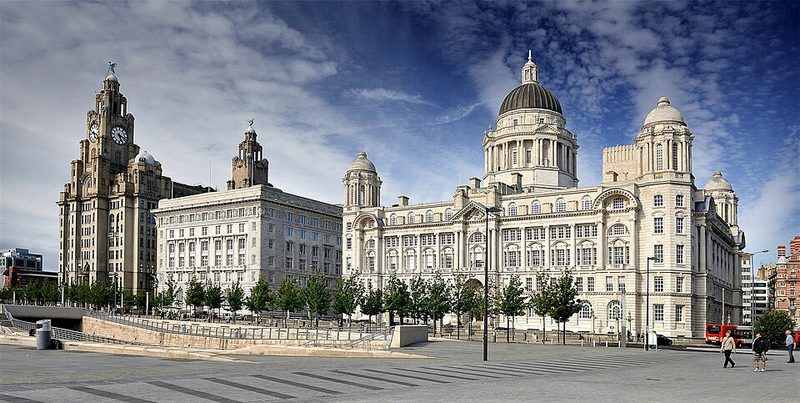
Sources: International Slavery Museum - Albert Dock • Merseyside Maritime Museum - National Museums Liverpool • Tate Liverpool at RIBA North • The Three Graces of Liverpool Waterfront
Georgian Quarter and Hope Street
The Georgian Quarter surrounds Hope Street, which connects Liverpool's two cathedrals across a kilometre of 18th and 19th-century townhouses and cultural venues. The Liverpool Philharmonic Hall houses the Royal Liverpool Philharmonic Orchestra; the Everyman Theatre is an award-winning producing theatre rebuilt in 2014. The Philharmonic Dining Rooms, a Grade I-listed Victorian pub opposite the concert hall, retains ornate interiors and serves concert-goers and local residents.
The Liverpool Institute for Performing Arts (LIPA), founded by Paul McCartney in 1996, occupies the former Liverpool Institute grammar school. The quarter contains traditional pubs including Peter Kavanagh's and Ye Cracke, along with independent restaurants and shops. The area offers a walking route between the Metropolitan Cathedral and Anglican Cathedral.
Sources: Liverpool Philharmonic Hall - Getting Here • Georgian Quarter Liverpool - Visit Liverpool • Hidden Gems of the Georgian Quarter
Liverpool's Waterfront and Ferries
Liverpool's waterfront extends along the eastern bank of the Mersey Estuary, from the Albert Dock in the south through Pier Head to the northern docks. The area combines maritime infrastructure, cultural landmarks, and ferry services that connect Liverpool to the Wirral peninsula across the river.
Sources: Mersey Ferries Timetables • Mersey Ferries River Explorer Cruise • Pier Head & The Three Graces - Visit Liverpool • The Three Graces - Wikipedia
Anfield Stadium and Football Tourism
Football shapes Liverpool's identity through two Premier League clubs: Liverpool FC, based at Anfield in the north of the city, and Everton FC, whose Goodison Park ground sits approximately one mile north of Anfield. Both stadiums offer tours and attract domestic and international visitors, though their operational status and future plans differ.
Sources: Liverpool FC Stadium Tours • Anfield Stadium Tour Booking • Everton FC Goodison Park Stadium Tour • Goodison Park Stadium Tours