
In This Guide
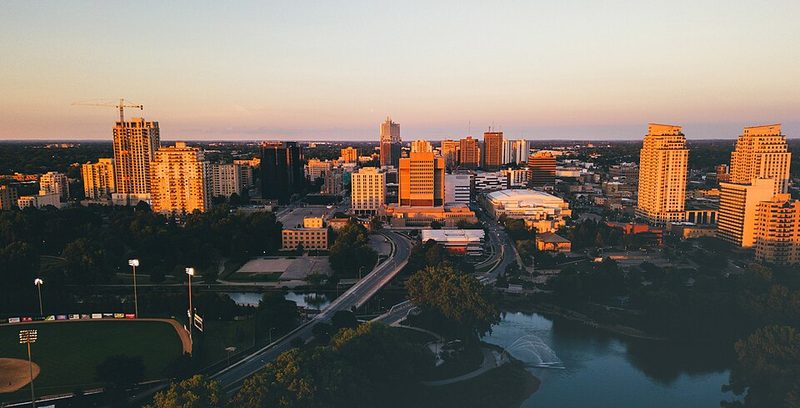
London, Ontario sits at the confluence of the Thames River and its northern branch in southwestern Ontario, roughly 200 kilometres from both Toronto and Detroit. The city is home to around 422,000 residents and functions as a regional hub for the surrounding area, drawing people from smaller communities for healthcare, education, and employment. It is not a destination that trades on spectacle, but it offers a walkable riverside setting, a large university campus, and a handful of attractions with genuine national significance — including one connected to one of the most consequential medical discoveries of the twentieth century.
Setting and First Impressions
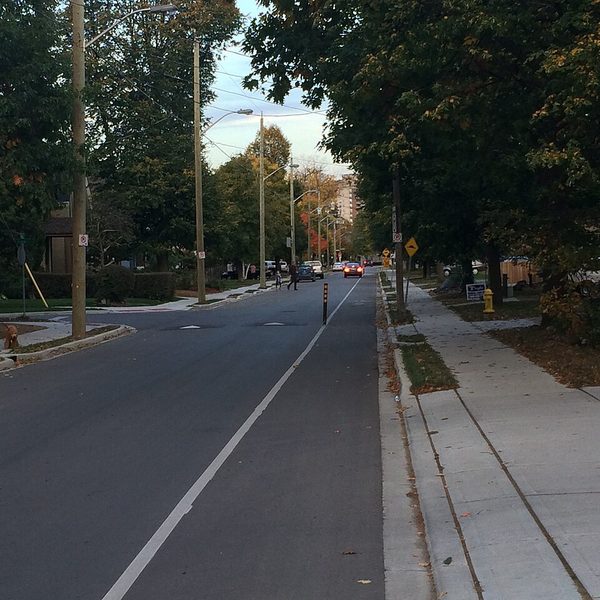
The Thames River runs through the city as a recurring presence — through parks, under bridges, along the edges of residential streets, and through the grounds of Western University. The surrounding landscape is flat southwestern Ontario farmland, and the sky feels correspondingly wide. The city's older residential streets are lined with mature trees, which gives some substance to the long-standing nickname "Forest City." Visitors arriving from Toronto or Windsor find a place that operates at a noticeably different pace: less dense, less expensive, and oriented around the rhythms of a university city and regional service centre rather than a national financial or cultural capital.
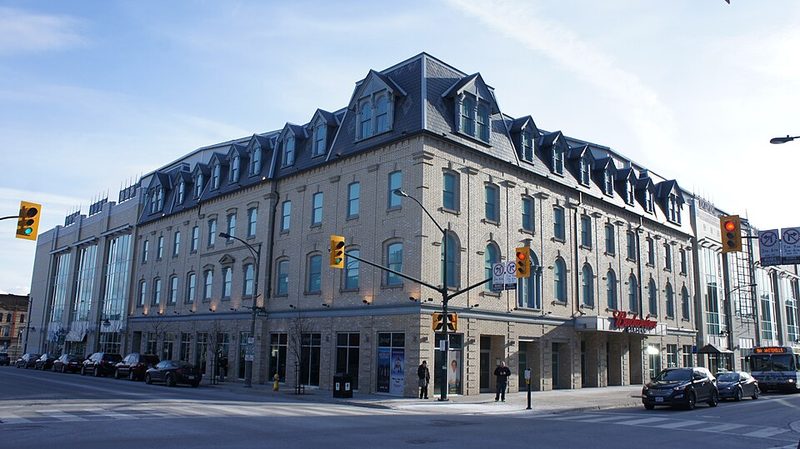
The city's layout follows the river. The historic core sits near where the two Thames branches meet, and key areas — Downtown, Richmond Row, and the Old East Village — are all within the central band of the city. Western University's large campus occupies a stretch of the northern city, bounded by residential streets and the river on its eastern edge.
History and Identity
London takes its name from its English counterpart; colonial administrators named the river the Thames and the city followed. It was designated the county seat of Middlesex County, though it now operates as a politically independent municipality, separate from the county that surrounds it. Growth through the nineteenth and twentieth centuries cemented its role as a regional centre, and the establishment of Western University — formally the University of Western Ontario — gave the city an additional institutional anchor that has shaped its character ever since. The university now operates across twelve academic faculties and schools on a campus of around 455 hectares.
One of London's most specific historical claims relates to medicine rather than administration. It was in a house at 442 Adelaide Street North that Sir Frederick Banting woke in the early hours of 31 October 1920 with the idea that led directly to the discovery of insulin. That house — Banting House — is now a designated National Historic Site and operates as a museum. The discovery transformed the treatment of diabetes globally, and the site gives London a connection to twentieth-century medical history that is unusual for a city of its size.
Key Attractions
Banting House National Historic Site (442 Adelaide Street North) is the former residence of Sir Frederick Banting and the location associated with the conceptual breakthrough that led to the isolation of insulin in 1921. Designated a National Historic Site, it operates as a museum exploring both Banting's life and the broader story of the discovery. Visitors should confirm current opening hours and admission details with the site directly before visiting.
Fanshawe Pioneer Village, located within the Fanshawe Conservation Area in northeast London, is an open-air living history museum operated by the London and Middlesex Heritage Museum. The village comprises over 30 heritage buildings and structures representing rural communities in the former townships of Middlesex County from approximately 1820 to 1920. It is situated at 1424 Clarke Road; check current seasonal schedules before visiting.
Museum London is described in visitor accounts as housing exhibits on the history of London and the region, alongside an art gallery and a costume and fashion collection. It sits at the fork of the Thames River and holds over 35,000 regional artefacts. Current opening hours should be confirmed with the museum directly.
Victoria Park is a central public green space in the downtown area. The surrounding Downtown and Richmond Row district forms the main commercial and entertainment corridor, with independent shops, restaurants, and live music venues. Old East Village, centred on Dundas Street east of downtown, is one of the city's older neighbourhoods, characterised by locally owned businesses and a Saturday farmers' and artisans' market at Western Fair.
Western University campus is accessible on foot and worth a visit in its own right — the river runs along its eastern edge, and the campus landscape connects the academic area to the broader city.
Getting There and Around
London lies along the Quebec City–Windsor Corridor, one of the most heavily travelled transport routes in Canada. The city is accessible by road from Toronto (approximately 200 km to the east) and Windsor (to the southwest). Rail services on the corridor provide an alternative to driving. London has its own regional airport; travellers should confirm current scheduled routes and carriers directly, as services at regional airports change. The city has a public transit system for getting around once you arrive; check current routes and fares with the local transit authority. The central areas — Downtown, Richmond Row, Old East Village, and the university campus — are all broadly walkable or easily linked by transit.
Practical Notes
London operates on Eastern Time, in common with Toronto. The local currency is the Canadian dollar. Both UK and US travel authorities currently rate Canada at their lowest advisory level — normal precautions apply, and neither authority identifies specific threats in London or the surrounding region. Travellers visiting Canada between June and July 2026 should be aware the country is co-hosting the FIFA World Cup during that period, which may affect accommodation availability and transport nationally; checking the relevant official advice pages before travelling is recommended. For current guidance, consult the UK Foreign, Commonwealth and Development Office and the US State Department Canada travel advisory pages.
Fanshawe Pioneer Village
Fanshawe Pioneer Village is an open-air living history museum in northeast London, located within the Fanshawe Conservation Area at 1424 Clarke Road. It covers 46 acres and presents the history of London and Middlesex County as it was lived between 1820 and 1920, making it one of the more substantial heritage attractions in southwestern Ontario.
What the Village Contains
The site holds 33 original and replica historic structures — a number that grew from 23 buildings across the original 22 acres when the collection was formally donated to the Upper Thames River Conservation Authority in 1978 and the village reached its initial configuration by 1980. The buildings span roughly a century of rural and small-town Ontario life, from early pioneer homesteads of the 1820s through to Victorian-era structures of the late 19th and early 20th centuries. Visitors can move between domestic homes, agricultural buildings, trade premises, and community structures, all drawn from the former townships of Westminster, London, North Dorchester, Delaware, West Nissouri, and Lobo in Middlesex County, and placed in the context of their relationship with the growing city of London during that period.
Living History Approach
The village operates as a living history site rather than a static collection. Costumed interpreters demonstrate traditional crafts, trades, and household tasks throughout the site, giving visitors a sense of how daily work and domestic life were organised in 19th-century Ontario. This format makes the village particularly suitable for visitors travelling with children, though adults with an interest in social and agricultural history will find the breadth of the collection worthwhile in its own right. Programming varies by season and the site runs special events throughout the year in addition to its regular season.
When to Visit
The regular season runs from Victoria Day weekend (late May) through to Thanksgiving Monday (early October), with additional special events held outside that window. Visitors should check current schedules and seasonal hours directly with the village before travelling, as programming and opening details change year to year. The site is operated by the London and Middlesex Heritage Museum, a registered charity.
Getting There
Fanshawe Pioneer Village sits in the northeast of London, at the intersection of Veterans Memorial Parkway and Clarke Road. It is a short drive from downtown London. Visitors travelling without a car should check current London Transit Commission (LTC) bus routes for service to the northeast end of the city, as route coverage in that area is less frequent than in central London. Checking the LTC website or using a journey planning tool before visiting is advisable.
Practical Notes
Current admission prices, seasonal hours, and event schedules are not reproduced here as they are subject to change. Visitors should confirm details at the official Fanshawe Pioneer Village website (fanshawepioneervillage.ca) or through Tourism London before travelling. The site is within the Fanshawe Conservation Area, which offers additional outdoor space around the village itself.
Sources: Fanshawe Pioneer Village - official site • Fanshawe Pioneer Village - Tourism London • Fanshawe Pioneer Village - Wikipedia • Fanshawe Pioneer Village - Our Story • Planning Your Visit - Fanshawe Pioneer Village
Banting House and the Discovery of Insulin
Banting House at 442 Adelaide Street North is the National Historic Site where Sir Frederick Banting, in the early hours of 31 October 1920, wrote down the idea that led to the co-discovery of insulin. The house is now a museum and is designated the "Birthplace of Insulin" — a claim that carries real weight, given that insulin's development transformed the treatment of diabetes and earned Banting the Nobel Prize in Physiology or Medicine in 1923, the first time a Canadian received that award.
The Historic Significance
Frederick Banting (1891–1941) was working in London as a part-time lecturer when he recorded the idea in his notebook. The subsequent research was carried out at the University of Toronto, where Banting worked with John Macleod, Charles Best, and James Collip to isolate and purify insulin. The Nobel Prize was awarded jointly to Banting and Macleod in 1923, the same year insulin became available for public use. The original conceptual moment, however, is fixed to this house in London — which is why the city holds a particular place in the history of one of the most consequential medical discoveries of the 20th century.
The Museum and Exhibits
The yellow-brick house, originally constructed in 1900, was designated a National Historic Site in 1999. The museum's exhibitions cover Banting's role as co-discoverer of insulin, his parallel careers as an artist and a military field surgeon, a Royal Visit associated with the site, and the Flame of Hope — a symbolic eternal flame that has burned at the site since it was lit in 1989, intended to remain alight until a cure for diabetes is found. Exact current opening hours and admission arrangements should be confirmed at bantinghousenhs.ca before visiting, as these are subject to change.
Visiting the Site
The house sits at 442 Adelaide Street North in a residential part of London. It is a relatively compact museum, but one with an unusually specific historical claim: this is the house, and this is the night. For visitors with an interest in medical history, the history of science, or Canadian history, it is a more focused and rewarding stop than its modest size might suggest. Information on current programming, group visits, and seasonal hours is available through the official museum website.
Sources: Banting House National Historic Site - official site • Banting House - Tourism London • Banting House - Wikipedia • Frederick Banting - Wikipedia • Parks Canada - Banting House National Historic Site • Nobel Prize - Frederick G. Banting biographical
Home County Music and Art Festival
The Home County Music and Art Festival is held each July in Victoria Park in downtown London, and is described by its organisers as one of Canada's longest-running folk festivals. The festival began in 1974, taking its name from an acronym — H.O.M.E. County — standing for Huron, Oxford, Middlesex, and Elgin, the four counties surrounding London in southwestern Ontario.
What the Festival Offers
The festival combines live folk and roots music with a juried artisanal craft show. The craft element regularly features work from over 50 Canadian artisans across categories including pottery, jewellery, fine art, textiles, woodwork, photography, and gourmet food. Craft demonstrators show their work in a dedicated area of the park. Food vendors and a family area are also part of the event. Admission has historically been by donation, making the festival accessible to a wide range of visitors — though current admission arrangements should be confirmed with the organisers before attending, as these details are subject to change year to year.
Setting and Format
Victoria Park, at 509 Clarence Street, is a central downtown green space bordered by Dufferin, Clarence, Central, and Wellington Streets. The park setting makes the festival easy to reach on foot from downtown accommodation and from much of central London. The 2025 edition was a single-day event, the 49th in the festival's history. The festival reached its 50th year in 2026, marking a significant milestone for what has been a consistent fixture in the city's summer calendar since the mid-1970s.
Practical Notes
The festival takes place in July; exact dates vary each year and should be checked at homecounty.ca well in advance, particularly for visitors planning travel around the event. London's accommodation is in finite supply for popular summer events, and advance planning is advisable. If travelling to London during June or July 2026, visitors should also be aware that Canada is co-hosting the FIFA World Cup during that period, which may affect accommodation availability and logistics more broadly across the country.
Sources: Home County Music and Art Festival - official site • Home County Festival - Tourism London • Home County Festival history • Home County Festival - our story • Home County Festival - past festivals