In This Guide
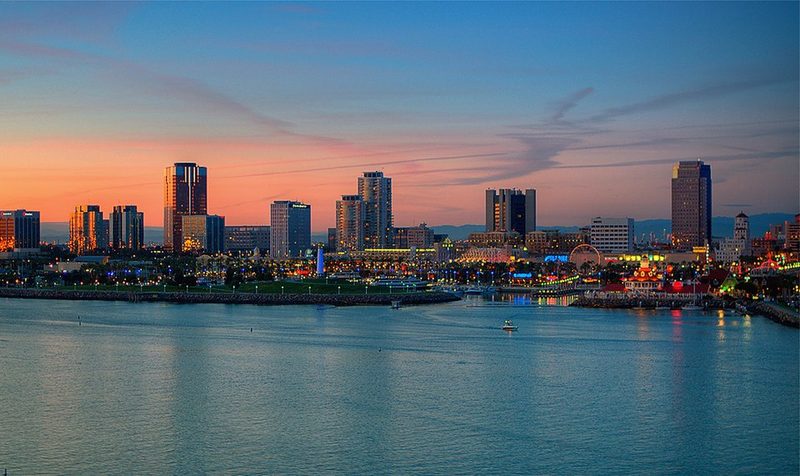
Long Beach is a port city of nearly half a million people on the southeastern coast of Los Angeles County, shaped by one of the busiest container ports in the United States. It is the seventh-most populous city in California and the second-largest in the county, yet it is not a county seat—a legal distinction that gives the city a particular independence and identity within greater Los Angeles. Visitors arrive expecting a beach resort and often find something more layered: a functioning industrial harbour, a major university, a diverse residential population, and a waterfront that mixes public space with working infrastructure.
The Queen Mary—a retired British ocean liner permanently moored in the harbour since 1967—is probably the most visible symbol of how Long Beach frames its relationship with the sea. The Aquarium of the Pacific, on the waterfront near downtown, is among the city's most visited institutions. The annual Acura Grand Prix of Long Beach, a street circuit race with roots going back to 1975, draws motorsport audiences each spring. These are not peripheral attractions; they are part of how the city presents itself.
Setting and First Impressions
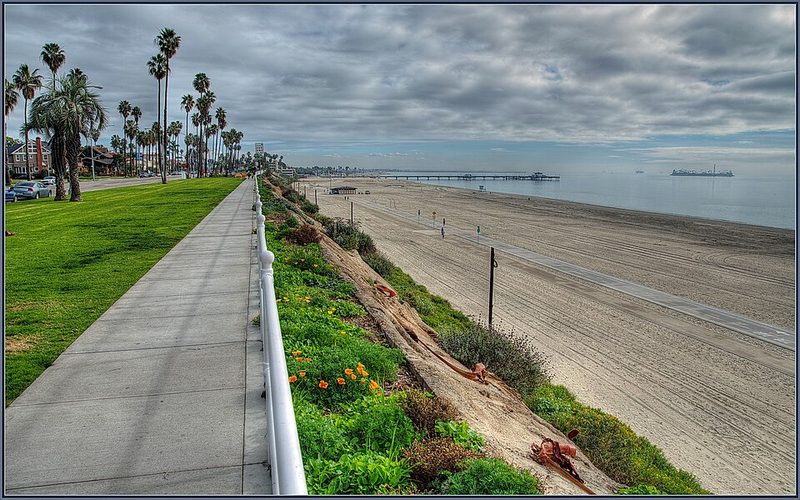
Long Beach sits at roughly 24 metres above sea level on low-lying coastal terrain, and the marine influence is constant—mild temperatures year-round, overcast mornings, and the background presence of container ships moving in and out of the harbour. The urban fabric is dense and mixed: residential streets, commercial corridors, transit routes, and industrial zones supporting the port economy all sit in close proximity. Downtown and the waterfront are more pedestrian-friendly; further inland, the city functions more like a standard Southern California suburb, and a car is generally more practical.
The port itself is not a backdrop—it is an active industrial site and one of the two largest container ports in the United States. Visitors standing at the waterfront public areas can see working vessels and shipping infrastructure alongside public parks and the moored Queen Mary. The city does not try to hide its industrial character, and that honesty is part of what distinguishes it from more purpose-built resort destinations along the Southern California coast.
History and Identity
Long Beach incorporated as a city in 1897, developing from what had been farmland and marshland. The discovery of oil in the 1920s transformed the local economy and accelerated urban growth. The port developed steadily through the 20th century into a major container shipping hub. California State University, Long Beach—established on a 322-acre campus within the city—became a significant employer and an anchor of local intellectual and cultural life; it is the second-largest campus in the California State University system.
The city operates under a municipal charter that grants it significant autonomy within Los Angeles County. Its status as the largest city in California without a county seat reflects both its scale and its particular political position—a fact that shapes local governance and identity in ways that are not always obvious to outside visitors.
What to See and Do
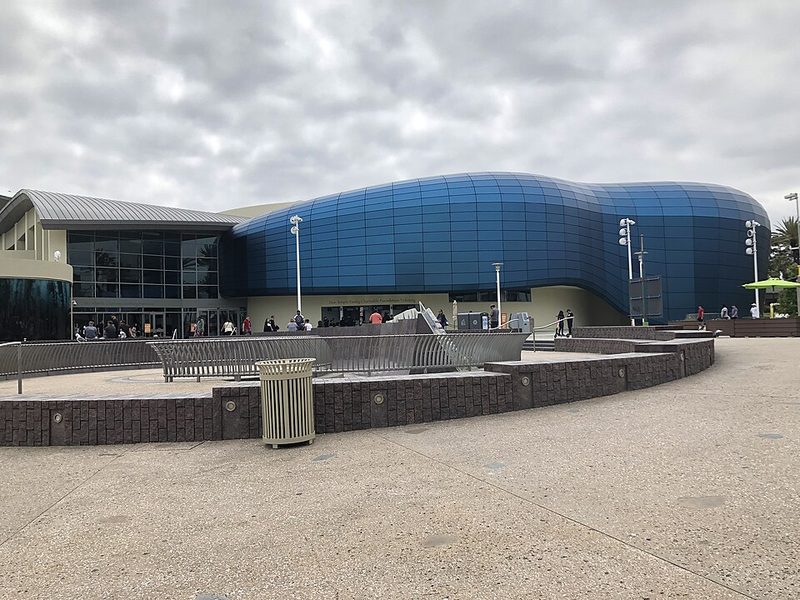
The waterfront is the natural starting point. The Queen Mary completed her final transatlantic voyage from Southampton in 1967 and has been permanently docked in Long Beach ever since, operating as a hotel and events venue and open to tours. The Aquarium of the Pacific sits on the waterfront near downtown and organises its exhibits around three Pacific zones: Northern Pacific, Southern California/Baja, and Tropical Pacific; most visitors allow around three hours for a full visit. Both the Queen Mary and the Aquarium offer combined-ticket options.
The East Village Arts District and the stretch along 4th Street (known locally as Retro Row) give the city a distinct creative character, with independent shops, bars, and a concentration of arts venues. Belmont Shore, on the city's southeastern edge, is a residential and commercial neighbourhood with a walkable main street along 2nd Street. Bluff Park and Belmont Heights are adjacent areas popular with local residents.
The Acura Grand Prix of Long Beach takes place each spring on a temporary street circuit that runs through the downtown area. The race began as a Formula 5000 event in 1975, hosted Formula One from 1976 to 1983, and has run as an IndyCar race since 1984. It is one of the longest-running street circuit races in North America. Dates and ticket information should be confirmed at the official event website (gplb.com).
Annual events also include the Long Beach Jazz Festival, which in 2026 marked its 36th year, and a range of summer cultural festivals at the Aquarium and elsewhere, including events organised around Pacific Islander, Greek, Turkish, and Latin heritage communities. Specific dates change year to year and should be checked with the city's official visitor bureau (visitlongbeach.com).
Neighbourhoods and Orientation
Downtown Long Beach and the immediate waterfront are the most visitor-oriented areas, with the Queen Mary, the Aquarium, Shoreline Village, and the Pike Outlets within a manageable distance. Streets in downtown follow a grid, which makes navigation straightforward on foot or by vehicle. Further east, Belmont Shore and the Naples Canals area offer a quieter, more residential character. North Long Beach is primarily residential.
Visitors should be aware that neighbourhood character varies considerably across the city in terms of income, density, and activity. The areas immediately around the port are industrial. Standard urban awareness applies—as with any large American city, it is sensible to be conscious of surroundings, avoid leaving valuables visible in parked vehicles, and plan routes in advance.
Getting There and Around
Long Beach is accessible by car via the regional freeway network connecting to greater Los Angeles. The city sits within the broader metropolitan area, and most visitors arriving by air use regional airports; current air service options should be confirmed directly with airlines or airport websites. The Port of Long Beach handles commercial shipping; any passenger or cruise services should be verified through official port information.
Public transit options include regional bus services and light rail connections into the Los Angeles Metro system. Routes and schedules change periodically and should be checked with local transit agencies before travel. Many visitors and residents rely on personal vehicles, and traffic density reflects the metropolitan context.
Practical Notes
Long Beach is a working city with genuine visitor appeal rather than a purpose-built resort. Approaching it as a major urban centre—planning transit in advance, being aware of neighbourhood variation, and not expecting every area to be tourist-oriented—will produce a more realistic and rewarding experience.
No specific travel warnings apply to Long Beach. The UK Foreign, Commonwealth and Development Office advises normal precautions for the United States overall; the US State Department issues no domestic travel advisory. For current guidance, consult the UK FCDO or US State Department websites before travel.
Aquarium of the Pacific
The Aquarium of the Pacific on the downtown Long Beach waterfront is one of Southern California's largest marine institutions, welcoming over 1.5 million visitors per year. Its exhibits are organised around the Pacific Ocean's distinct regions: the Northern Pacific, Southern California and Baja, and Tropical Pacific galleries collectively house more than 11,000 animals across approximately 500 species. Outdoor areas include an interactive Shark Lagoon, a Lorikeet Forest walk-through aviary, and a penguin habitat. In 2019, the aquarium opened the Pacific Visions wing — a 29,000-square-foot expansion with an immersive theatre, art gallery, and conservation-focused interactive exhibits. Visits typically run around three hours, with longer stays possible during events and educational programming. Weekends require advance reservations; current hours, prices, and ticketing should be checked on the aquarium's official website before visiting.
Read the full Aquarium of the Pacific guide
Sources: Aquarium of the Pacific - Plan Your Visit • Aquarium of the Pacific - About the Aquarium • Insider's Guide to the Aquarium of the Pacific - Visit Long Beach • Visit Aquarium of the Pacific - Visit California • Pacific Visions wing opening - Aquarium of the Pacific newsroom
Acura Grand Prix of Long Beach
The Acura Grand Prix of Long Beach is an annual motorsport event held on a temporary street circuit laid out through downtown Long Beach. First run in September 1975, it is one of the longest-running street races in North America and a significant fixture on the NTT IndyCar Series calendar. The event typically attracts around 190,000 spectators across race weekend and generates an estimated $100 million in regional economic impact, making it one of downtown Long Beach's largest annual economic drivers.
Origins and Formula One Years
The race began as a Formula 5000 event in 1975, run on a waterfront circuit near the Port of Long Beach. Despite the surrounding area being, at the time, a largely industrial and economically depressed district, the inaugural race drew 30,000 fans. The event converted to Formula One in 1976 and remained on the F1 calendar until 1983 — a period that brought significant international attention to the city and contributed to the regeneration of the downtown waterfront area. The circuit's success during this era is credited with establishing the model of a street race as a tool for urban economic revitalisation.
Transition to IndyCar
In 1984, the race switched from Formula One to CART (Championship Auto Racing Teams) open-wheel racing, and IndyCar in its various forms has contested the event every year since, with the sole exception of 2020, when the event was cancelled due to the COVID-19 pandemic. Toyota held naming rights for many years; Acura took over as title sponsor in 2019. The event now anchors a multi-series weekend that includes support categories alongside the IndyCar headline race.
The Street Circuit
The Long Beach Street Circuit uses public roads in the downtown and waterfront area. A defining feature of the layout is the sweeping curve of Shoreline Drive, which has remained a constant element of the circuit across multiple decades despite other portions of the route changing as the surrounding area underwent extensive redevelopment. The circuit's evolution mirrors the transformation of downtown Long Beach itself: the adult theatres and boarded-up buildings that characterised the area in the 1970s have been replaced by the redeveloped urban core that now surrounds the track.
Visiting the Grand Prix
Race weekend involves significant temporary infrastructure installed across downtown Long Beach, including grandstands, barriers, and pit lane facilities. The build phase, which begins several weeks before the event, brings road closures and construction activity to the city centre — visitors travelling to Long Beach during this period should check current road access information locally. The race is typically held in the spring; current dates and ticketing details should be checked through the official Grand Prix website or IndyCar's schedule.
Sources: Acura Grand Prix of Long Beach - Official Site • Grand Prix of Long Beach - Wikipedia • Long Beach Street Circuit - Wikipedia • Long Beach - RacingCircuits.info • Acura Grand Prix of Long Beach - IndyCar 2026 Schedule
East Village Arts District and 4th Street
Two distinct but connected cultural zones — the East Village Arts District and the 4th Street corridor known as Retro Row — give Long Beach a street-level arts and independent retail identity that sits apart from the port and waterfront. Both areas are navigable on foot and draw a mix of locals and visitors looking for independent shops, galleries, and dining outside the main tourist waterfront.
East Village Arts District
The East Village Arts District occupies the southeastern portion of downtown Long Beach, roughly bounded by Long Beach Boulevard to the west, Alamitos Avenue to the east, Ocean Boulevard to the south, and 7th Street to the north. The area is characterised by a mix of historic, modern, and Art Deco architecture, and contains independent boutiques, restaurants, art galleries, ceramics studios, and small businesses. Three dedicated art museums and multiple galleries operate within the district, alongside art studios that host regular classes and events. The district organises a monthly LB Art Walk on the second Saturday of each month, when galleries and collectives open for the evening — a free event that has become a regular fixture in the local arts calendar. Self-guided tours of the district's public art and historic architecture are available.
4th Street Retro Row
Running east from downtown, the 4th Street corridor — locally known as Retro Row — is a walkable strip of independent retailers, vintage and contemporary clothing shops, antique dealers, furniture and accessory stores, book shops, roller skate outlets, coffee shops, wine bars, and locally-owned restaurants. The street has a distinct aesthetic rooted in mid-century and retro design, and its mix of businesses reflects long-standing independent ownership rather than chain retail. A practical anchor of the street is The Art Theatre of Long Beach, the oldest operating single-screen cinema in the city, housed in a 1920s Art Deco building. The theatre screens independent and repertory films and functions as a cultural venue as well as a cinema.
Practical Notes for Visitors
Both areas are accessible from downtown Long Beach and are best explored on foot. The East Village and Retro Row attract a broadly mixed crowd and have a low-key neighbourhood feel; neither is a purpose-built tourist zone. Business hours vary by establishment, and visitors should check individual venues before travelling. The monthly Art Walk in the East Village is a reliable draw for those visiting on a second Saturday evening; current schedules should be confirmed locally.
Sources: East Village Arts District - Official Site • East Village Arts District - Visit Long Beach • 4th Street Retro Row - Visit Long Beach • 4th Street Corridor - Wikipedia