Image: Wikipedia / Wikimedia Commons
Image: Wikipedia / Wikimedia Commons
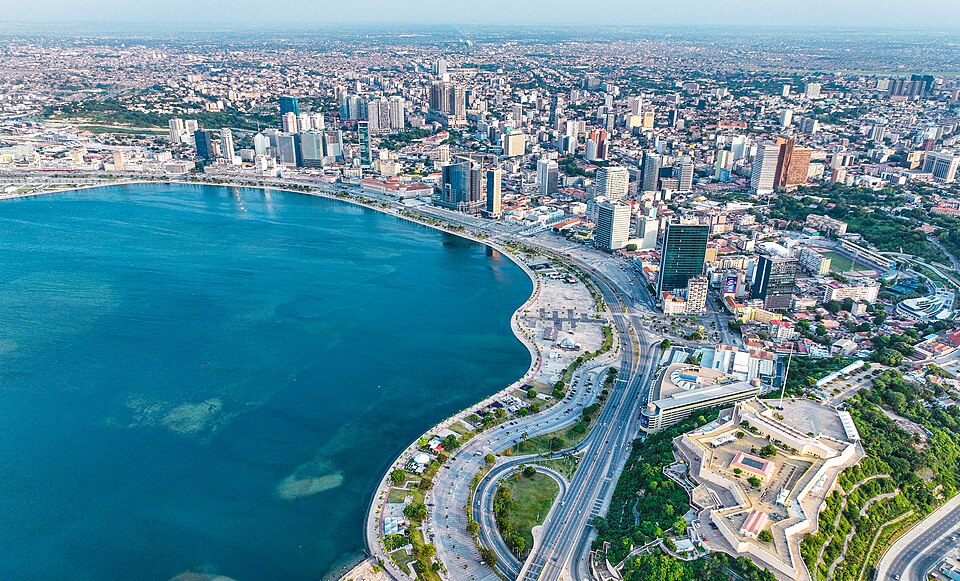
Luanda is Angola's beating heart—a sprawling coastal capital where African dynamism meets colonial heritage, and where the Atlantic breeze carries the energy of a nation in transformation. As the largest city in Angola and one of the most important ports on the African continent, Luanda commands a significant place not only in Angola's future but across the entire region. This is a city of contrasts, where historic quarters blend with modern development, and where the daily rhythm reflects both deep cultural traditions and contemporary aspirations.
Luanda sits on Angola's northern Atlantic coast at coordinates -8.83682N, 13.23432E, positioned at just 73 metres above sea level. The city sprawls across a natural harbour that has made it strategically valuable for centuries, with the Atlantic Ocean forming its western boundary and providing both economic lifeblood and geographic definition. The relatively modest elevation means the city experiences a warm, tropical climate shaped by its coastal location, with cooling ocean influences that provide relief from the equatorial heat.
The metropolitan area is vast and continuously expanding, with the 2024 population figures indicating the scale of growth across the wider urban region. The verified city proper holds a population of 2,776,168 inhabitants according to official records, though the greater metropolitan zone extends well beyond these boundaries. Time here follows Africa/Luanda timezone, making it consistent with much of west-central Africa. The city's geographic position on the coast has been central to its development as Angola's primary seaport and the nation's gateway to international commerce.
Luanda's history stretches back to the 16th century when Portuguese explorers established a settlement that would gradually develop into a major Atlantic port. The city's architecture tells this layered story, with colonial-era buildings standing alongside structures from Angola's more recent independence period. The waterfront, in particular, bears witness to centuries of maritime trade, cultural exchange, and the complex histories that shaped Angola's path to nationhood.
The city's transition from colonial outpost to modern African capital has been marked by significant change, and this transformation remains visible in the urban landscape. Historic quarters retain their character and cultural significance, while newer districts showcase contemporary development. For visitors and residents alike, Luanda offers opportunities to engage with this complicated history—through museums, heritage sites, and the simply by walking through neighborhoods where different eras of the city's past coexist.
Luanda's attractions are centred around its identity as a coastal city and cultural centre. The waterfront itself is a draw, offering views of the Atlantic and access to the maritime character that defines the city. The natural harbour remains active and vital, and watching the port's operations provides genuine insight into why Luanda has mattered so much to Angola's economy for so long.
The city's cultural life reflects its status as Angola's primary centre for arts, museums, and heritage. The urban landscape contains various sites of historical importance, churches, and public spaces where the city's identity is expressed. Beyond the city proper, the surrounding coastal region offers natural landscapes characteristic of this part of Angola—beaches and Atlantic vistas that provide respite from urban intensity. Many visitors find value in simply moving through different neighbourhoods, observing how the city is organized, how people live, and how contemporary Luanda functions as a working African capital rather than as a tourist theme park.
Luanda is served by international air connections, making it accessible to visitors from across Africa and beyond. Domestic transport within the city operates through various informal and formal systems; taxis and ride-sharing services operate throughout the metropolitan area. The street layout can be complex for first-time visitors, and getting oriented may take some navigation. The city's scale means that distances between points of interest can be considerable, so planning movement through the city is advisable rather than attempting to cover everything on foot.
Luanda is where Angola's economic life concentrates. As the nation's major port and primary industrial centre, the city drives much of Angola's commerce and development. The port operations, import-export trade, and service industries employ tens of thousands of residents and shape the city's daily rhythm. Beyond economics, Luanda is Angola's cultural heart—the place where national media, universities, and cultural institutions are based. For the millions who call Luanda home, the city offers employment opportunities, educational institutions, and the amenities available only in a major metropolitan centre, though like many large African cities, it also grapples with questions of equitable development and urban planning.
Luanda is located at latitude -8.83682 and longitude 13.23432, positioned on Angola's Atlantic coast. The city sits at 73 metres elevation above sea level. The verified metropolitan population is 2,776,168, though recent estimates suggest the greater urban region extends well beyond this figure. The city operates on Africa/Luanda timezone. Visitors should come prepared for tropical coastal weather, with appropriate sun protection and light clothing. The city uses the Angolan Kwanza as its currency. Portuguese is the primary language, though English proficiency varies. Like any major African city, Luanda operates at its own pace—arriving with patience, flexibility, and genuine curiosity will reward both visitors and those encountering the city for the first time.
View larger map — © OpenStreetMap contributors
Flight delayed or cancelled?
You could be owed up to €600 compensation. Check your eligibility for free.Do you know Luanda?
Share local tips, recommend a hotel, list a business or add a photo.
✏️ Share your knowledge about LuandaDo you know Luanda?
Share local tips, recommend a hotel, list a business or add a photo.
✏️ Share your knowledge about Luanda