Image: Wikipedia / Wikimedia Commons
Image: Wikipedia / Wikimedia Commons
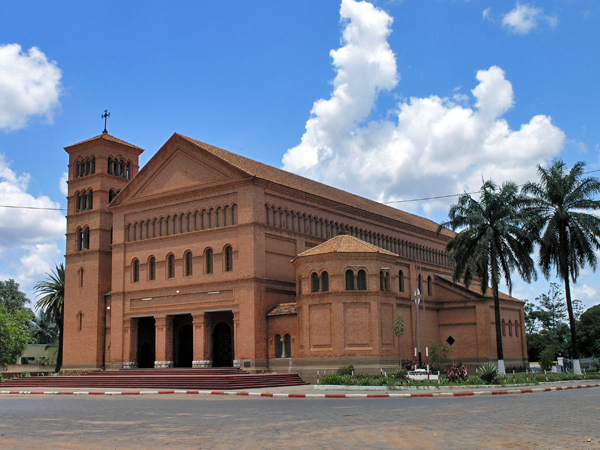
Lubumbashi is the Democratic Republic of the Congo's second-largest city and the beating heart of the nation's mining economy. Perched at the southeastern edge of the country, near the border with Zambia, this sprawling urban center combines the energy of a major commercial hub with the complexity of a city shaped entirely by the extraction and trade of mineral wealth. For visitors and newcomers alike, Lubumbashi presents a compelling window into how mining shapes modern African cities—for better and worse.
Situated at coordinates -11.66089N, 27.47938E, Lubumbashi sits at an elevation of 1,260 meters above sea level on the Katanga Plateau. This altitude gives the city a temperate climate quite different from other regions of the Congo, with cooler temperatures year-round compared to the equatorial heat further north. The city's location near the Zambian border has historically made it a natural crossroads for regional trade and commerce, and this remains true today.
The surrounding landscape is characterized by rolling terrain and the mineral-rich geology that defines the entire Haut-Katanga region. The plateau setting provides natural drainage and somewhat milder conditions than lower-lying areas of the country, though the region experiences distinct rainy and dry seasons. This geography has made Lubumbashi not just a trading point but the obvious choice as the industrial and administrative center for one of the world's richest mineral-producing regions.
Known until 1966 as Élisabethville, Lubumbashi was founded during the colonial period as a center for copper extraction and European settlement. The city's entire framework—its grid of streets, its architecture, and its economic purpose—was designed around mining operations. After independence, the city became known by its current Bantu name, Lubumbashi, and has grown continuously as the Congo's mineral sector expanded.
The colonial heritage remains visible in parts of the urban landscape, though the city has evolved far beyond its founding role. Today, Lubumbashi is home to the headquarters and operations of many of the Democratic Republic of the Congo's largest mining companies, making it essential to understanding how mineral extraction shapes the country's economy, development patterns, and geopolitical relationships.
Lubumbashi's appeal lies less in monumental tourist attractions and more in understanding a living, working African city. The urban landscape itself tells stories—from the well-maintained neighborhoods built for company executives to the sprawling informal settlements that house miners and workers. Walking through different districts of the city offers genuine insight into how cities grow and stratify in mining economies.
The city's position on the plateau means it has green spaces and surrounding areas worth exploring. The climate at this elevation creates natural vegetation quite different from lowland Congo, and the surrounding countryside offers opportunities to experience the region's landscape. Cultural experiences center on local markets, music venues, and gathering places where residents congregate—these are spaces where you'll encounter the genuine rhythm of daily life rather than curated tourist experiences. For those interested in industrial heritage, the visible presence of mining infrastructure and company facilities around the city provides a tangible sense of what drives the regional economy.
Lubumbashi is accessible by air through its main airport, which connects to other major cities within the Democratic Republic of the Congo and neighboring countries. Road connections link the city to Kinshasa and other parts of the country, though journey times can be lengthy and road conditions variable depending on season and route. Within the city, transportation consists primarily of shared minibus networks, motorcycles, and private vehicles. Taxis operate throughout the urban area, though negotiating fares in advance is advisable.
With an urban population estimated at 2,221,925 according to current figures, Lubumbashi is a major metropolitan center. The city's economy is entirely structured around the mining sector—copper is the dominant resource, along with cobalt and other minerals essential to global electronics and battery production. This economic reality shapes everything from employment patterns to infrastructure investment to the flow of money through the city.
For residents, life revolves around the mining companies and their supply chains. These firms employ thousands directly and support countless more through indirect employment. The presence of mining wealth creates stark contrasts between affluent company towns and working-class neighborhoods, and understanding Lubumbashi means grappling with these realities honestly. The city pulses with commercial energy—there are always goods to move, deals to make, and money flowing through markets and trading networks.
Lubumbashi is located in the Haut-Katanga Province in the southeastern Democratic Republic of the Congo. The city sits at an elevation of 1,260 meters above sea level, which contributes to its relatively cool climate. The timezone is Africa/Lubumbashi. The urban area population is approximately 2,221,925 residents, making it a substantial city by any measure. Visitors should note that the Democratic Republic of the Congo requires appropriate visas and vaccinations, and conditions on the ground can be unpredictable, so it's wise to consult current travel advisories and connect with established contacts before visiting.
View larger map — © OpenStreetMap contributors
Flight delayed or cancelled?
You could be owed up to €600 compensation. Check your eligibility for free.Do you know Lubumbashi?
Share local tips, recommend a hotel, list a business or add a photo.
✏️ Share your knowledge about LubumbashiDo you know Lubumbashi?
Share local tips, recommend a hotel, list a business or add a photo.
✏️ Share your knowledge about Lubumbashi