

What Manhattan is known for
Manhattan is an island borough lying near the southern tip of New York State, where the Hudson and East Rivers meet. With nearly 1.5 million people compressed into a remarkably compact space—making it one of the smallest counties by area in the state—this borough sits at the heart of New York City's five boroughs, functioning as its economic engine, cultural laboratory, and centre of global recognition. The density defines the place: of buildings, commerce, ambition, and human encounter.
Geography and Arrival
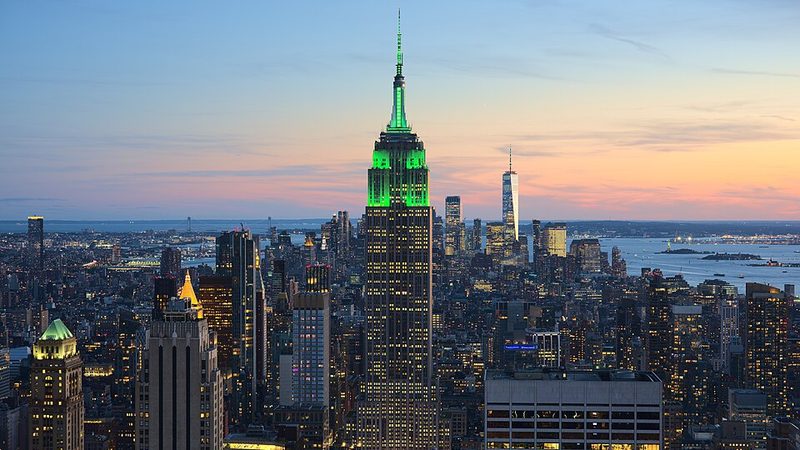
Manhattan occupies Manhattan Island itself, along with Marble Hill and several smaller islands within its boundaries. The terrain slopes slightly upward from the southern shoreline, reaching elevation around 38 metres above sea level. The physical environment is almost entirely urban, with the skyline—recognised globally—dominated by structures including the Empire State Building and Chrysler Building marking the midtown area. Central Park cuts through the upper portion of the borough as a large rectangle of open space amid the grid of streets.
Penn Station in Midtown is the busiest transportation hub in the Western Hemisphere, handling rail travel to and from the region. The Holland Tunnel connects Jersey City to Lower Manhattan, whilst the Manhattan Bridge and Brooklyn Bridge link the borough to Brooklyn across the East River. Public transit, including the extensive subway system and bus network, forms the primary transport layer for movement around the borough.
Historical Layers
The island was originally settled by the Lenape people long before European contact. The colonial and early American period left marks that remain visible in street patterns, locations of historic institutions, and neighbourhood names. Immigration shaped modern Manhattan profoundly. The Statue of Liberty, a gift from France that arrived in 1884, stands at the entrance to New York Harbor. Ellis Island served as the busiest immigrant inspection station in the United States and now houses the National Museum of Immigration. The Tenement Museum in Lower Manhattan records the lives of ordinary immigrants who lived and worked in the borough's tenement buildings.
The National September 11 Memorial & Museum commemorates the attacks of 2001 and the loss of nearly 3,000 lives, a presence that remains part of how lower Manhattan is understood and experienced.
Neighbourhoods and Character
The borough contains multiple distinct neighbourhoods, each with its own character. Chinatown's streets and commercial life centre along Canal Street and Mulberry Street, with bustling markets rich in Asian culture and cuisine. Little Italy occupies adjacent blocks along Mulberry Street. The Lower East Side includes the area around the Tenement Museum, documenting immigrant life from 1863 to 2011. Greenwich Village, West Village, Washington Square Park, SoHo, and East Village occupy the area north of Houston Street. Tribeca and Hudson Square lie in lower Manhattan west of Broadway.
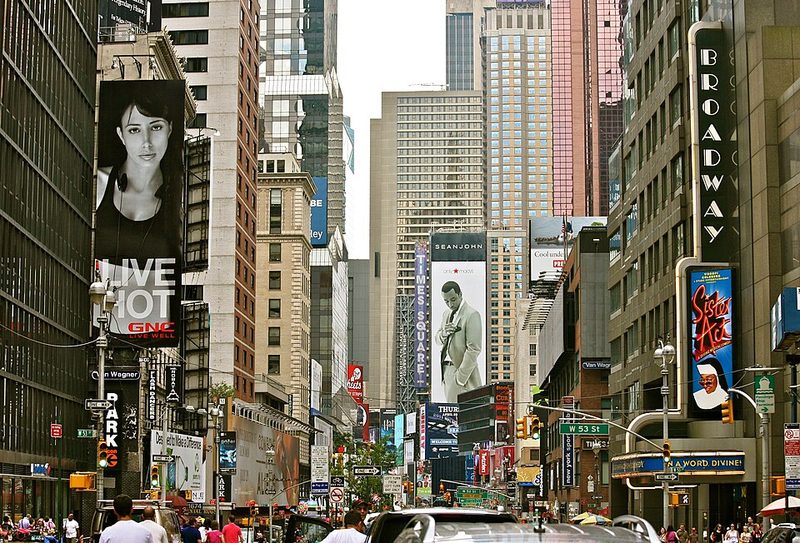
Midtown holds the theatre district around Broadway and Times Square, along with the major commercial and corporate presence. The Upper West Side and Upper East Side flank Central Park, whilst Harlem—which has helped define artistic styles and cultural movements in jazz, hip-hop, poetry, and fashion for more than a century—occupies the area north of 110th Street. Washington Heights, Inwood, and East Harlem pulse with the energy of immigrant cultures and renewed community pride. Hudson Yards represents newer development on the far west side.
These neighbourhoods function almost as villages within the larger whole, each with its own street life, demographic texture, and local institutions.
Economic Life
Manhattan functions as New York City's commercial and administrative centre. The financial sector anchors much of the economy, along with significant corporate presence. Tech and biotech industries operate in the borough, contributing to its role as an innovation hub. Tourism drives considerable economic activity, supported by major landmarks and cultural institutions. Media companies, real estate development, and the entertainment industry are woven into the local economy in ways that affect both the physical landscape and daily rhythms.
Cultural Infrastructure
Broadway represents the theatrical and performing arts culture concentrated in Midtown. The borough holds numerous museums and cultural institutions. The Studio Museum in Harlem is dedicated to Black artists and known for its pioneering residency program. The Metropolitan Museum of Art (The Met) is located on Fifth Avenue along Central Park and houses over two million works spanning 5,000 years. The Museum of Modern Art (MoMA) connects people to the art of contemporary times. The Whitney Museum focuses on American art. The Guggenheim occupies a distinctive building on the Upper East Side.
The concentration of museums, galleries, theatres, and performance spaces means cultural engagement is built into the texture of daily life for many residents and a significant draw for visitors.
Parks and Public Space
Central Park offers green space and recreational opportunity within the urban grid. The park includes destinations such as Belvedere Castle—a Victorian building with a grand turret and views—and sites documenting Black history including Seneca Village, which in the first half of the 1800s was home to a sizeable free Black community. The park holds concerts, events, attractions, tours, and sports facilities.
The rivers create boundaries and offer waterfront walks that provide perspective on the island's geography and connection to the broader regional landscape.
Markets and Food Culture
Chelsea Market, probably the most famous food hall in New York, offers stalls selling foods from around the world along with products including home decor, wine, books, and clothing. The Fulton Stall Market connects regional farmers and producers to the Manhattan community. Dekalb Market Hall, located in Brooklyn near Manhattan, is an underground food hall with over 40 vendors offering local favourites and international cuisines.
Dining options span the economic spectrum and reflect the borough's extraordinary diversity of populations and communities, with particular concentrations in neighbourhoods such as Chinatown, Little Italy, and various ethnic enclaves.
Visiting Manhattan
The parks, landmarks, and museums form immediate draws. The Statue of Liberty and Ellis Island are accessible from lower Manhattan and represent major destinations for those interested in American immigration history. Broadway and Times Square draw visitors interested in theatre and entertainment. The neighbourhoods themselves reward walking and wandering.
The borough is genuinely suited for extended exploration; information sources suggest a week-long trip focused on Manhattan alone can provide extensive entertainment and activities. The compact geography means most places are reachable through a combination of walking and transit. Current schedules, routes, and fares should be checked directly with local transit authorities.
Practical Considerations
Manhattan operates on Eastern Time. The UK maintains normal precautions (Level 1) travel advice for the United States, with no specific restrictions for New York or Manhattan. Visitors should check current official travel advisories through UK FCDO and US State Department sources before travel.