

What Melbourne is known for
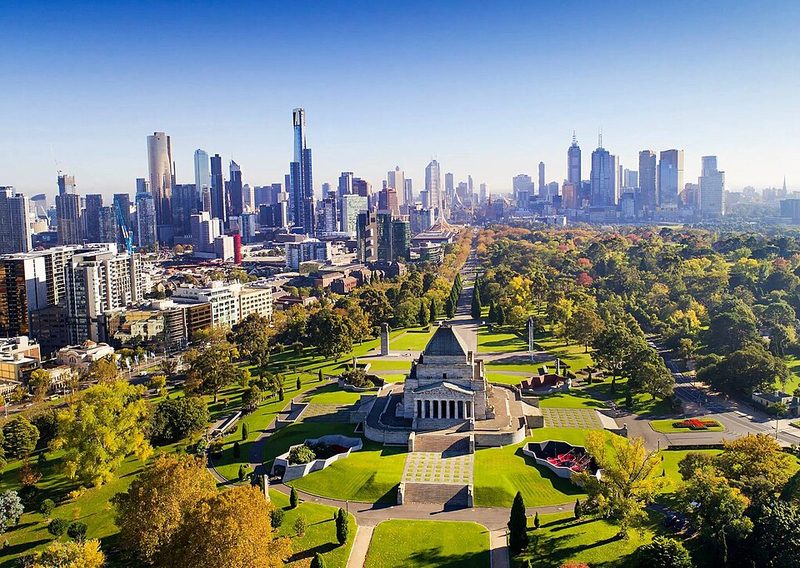
Melbourne sits at the head of Port Phillip Bay, a sprawling urban region of more than 9,900 square kilometres managed across 31 local government areas. As Victoria's capital and Australia's second-largest city, with a population exceeding 5.3 million, it has transformed from colonial wool-trading hub to Australia's cultural and sporting centre. Victorian-era brick architecture stands beside glass towers, while narrow laneways that once separated warehouses now connect bars, cafes and galleries.
Geography and Setting
The city occupies relatively flat terrain at 25 metres above sea level near the coast. Streets radiating from the central business district reflect 19th-century planning, while suburbs sprawl outward in waves that mark different periods of development and migration. The urban form shifts noticeably between districts—the city feels less monolithic than many Australian centres, with character changing block by block.
From Wool Hub to Cultural Capital
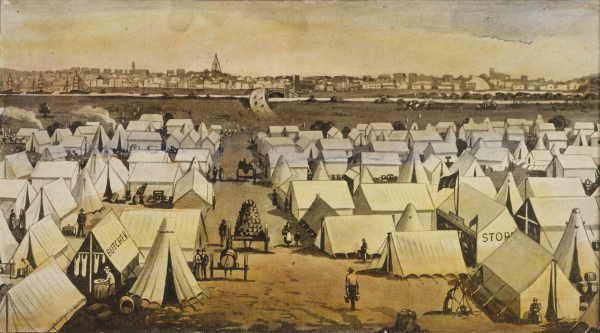
British colonisation established the township, but Tasmanian pastoralists recognised the commercial opportunity in the surrounding countryside during the early colonial period. The wool industry became the city's economic engine. Merchants clustered in Melbourne to coordinate wool exports to British factories, establishing the city as a financial hub channelling British capital into pastoral enterprises.
The 1850s gold rush accelerated growth dramatically. Melbourne's wool merchants expanded into export houses, docks grew to handle maritime trade, and workshops multiplied to serve the booming hinterland. For over a century, the city and its rural surroundings maintained tight economic partnership: the countryside produced wool, farm products and minerals; the city supplied the commercial, financial and transport infrastructure to make those exports possible.
Melbourne's national importance earned it the role of Australia's temporary capital from 1901 to 1927. An 1891 economic bust slowed expansion, but the city adapted. By the 20th century, Melbourne had developed into a recognisable modern urban centre with dense housing, commercial districts, port facilities and integrated services across its growing footprint.
The 1980s and 1990s brought renewed development. A 1989 financial crash tested the city's resilience, but economic diversification helped Melbourne recover and reinvent itself once again.
Laneway Culture and Coffee
Melbourne's distinctive laneway culture emerged during the mid-1990s recession, when young locals took advantage of cheap CBD rents and moved into the city centre, bringing bars, studios, galleries and shops with them. Narrow passages between buildings—previously service alleys for warehouses—transformed into destinations lined with independent cafes, bars and street art. Degraves Street, running north from Flinders Street Station, became the archetypal Melbourne cafe alley, crowded with al fresco tables and espresso bars.
The city's coffee culture developed alongside this laneway transformation. Melbourne's CBD laneways and arcades now host specialty cafes, renowned roasters and standing-room-only coffee bars. The city's immigrant history and independent cafe scene combined to create one of the world's most prominent coffee cultures, integral to Melbourne's contemporary identity.
AFL and Sporting Life
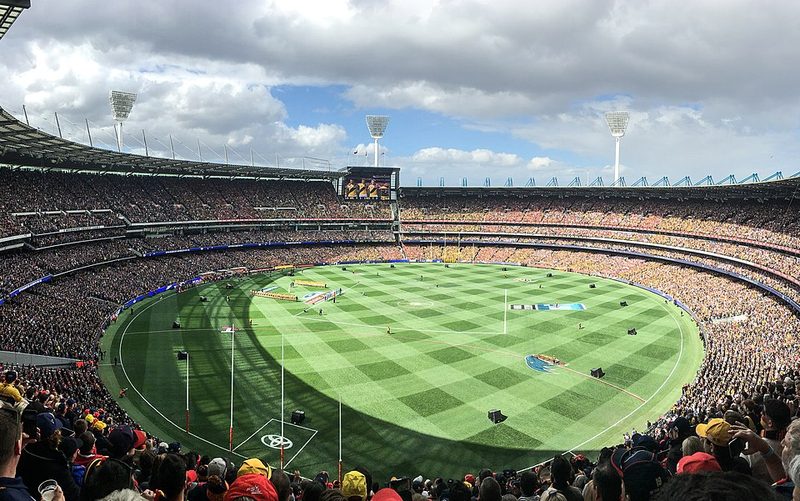
Australian rules football is woven deeply into Melbourne's cultural fabric. The Melbourne Cricket Ground (MCG), sitting on Wurundjeri Woi-wurrung Country, has maintained strong ties with Australian football since the sport's codification in 1859. The stadium hosts AFL matches including the Grand Final, the world's highest-attended league championship event. On match days, crowds in tribal colours make the pilgrimage to the MCG, joining thousands for what locals call the "mad winter ritual" of footy. Marvel Stadium provides an alternative venue for sporting fixtures and cultural events.
Queen Victoria Market
The Queen Victoria Market, officially opened on 20 March 1878, is the last remaining major market in Melbourne's CBD. Constructed in stages from the 1860s, it stands alongside Prahran Market and South Melbourne Market as the last of the city's Victorian-era markets still operating. From its origins as Melbourne's chief wholesale market, Queen Victoria Market successfully reinvented itself as a retail market during the 1970s, playing an important role in the city's economic and social history. The market continues to offer fresh produce and specialty shopping.
Getting Around
Visitors should check current transport schedules and routes with local providers, as services change. The central business district is compact enough for walking, and the city operates tram, train and bus networks connecting the CBD with suburban areas across the metropolitan region.
Day Trips from Melbourne
Melbourne's location provides access to several popular day-trip destinations. The Great Ocean Road stretches along the coast west of the city, passing through Torquay, Anglesea and Lorne before reaching the 12 Apostles rock formations and Port Campbell. Phillip Island, southeast of Melbourne, is known for the Penguin Parade at sunset and the Nobbies coastal walk. The Yarra Valley, northeast of the city, offers wineries, the Healesville Sanctuary (an Australian wildlife sanctuary), and scenic drives including the Black Spur Drive through forested terrain to Marysville and Stevenson's Falls. Tour operators run day trips to these destinations from Melbourne.
Practical Information
Melbourne operates in the Australia/Melbourne timezone. Bushfire risk increases during spring and summer months from October to February; visitors should check current fire danger ratings and any travel restrictions. Australia maintains Level 1 travel advisory status (normal precautions for both UK and US travellers), though global events may affect international transit routes. Visitors should consult current official travel advice before departure.