Image: Wikipedia / Wikimedia Commons
Image: Wikipedia / Wikimedia Commons
# Milano, Lombardy, Italy: A Guide to Italy's Economic Heart
Milano stands as Italy's powerhouse of commerce, culture, and creativity. As the regional capital of Lombardy and the nation's second-most populous city, Milano pulses with an energy distinctly different from Rome's ancient grandeur. This is a place where medieval cathedrals share skylines with modern architecture, where world-class art museums sit blocks away from cutting-edge fashion districts, and where centuries of history have been continuously reshaped by the ambitions of its inhabitants.
Milano lies in the heart of the Padana Plain in northern Italy, positioned at 127 meters above sea level and coordinates 45.46427N, 9.18951E. The city itself is home to 1,371,498 residents, making it a major European metropolis, though its metropolitan area extends far beyond the city limits, encompassing approximately 6.55 million people across the wider region. This broader urban zone represents the largest metropolitan area in Italy and ranks fourth among European Union city regions, reflecting Milano's outsized economic and cultural importance.
The Lombardy region surrounding Milano is characterized by relatively flat terrain, with the Alps visible to the north on clear days. The city's geography has historically made it a natural crossroads for trade routes connecting the Mediterranean to Central Europe, a positioning that shaped its development as a merchant republic and continues to define its role today. The Navigli, a network of canals originally constructed to facilitate commerce and now lined with restaurants, galleries, and residential areas, remain a distinctive geographical and cultural feature of the city.
Milano's history stretches back two thousand years. As Mediolanum, it served as a crucial Roman settlement and later became a primary seat of the Western Roman Empire. The city's transition through medieval, Renaissance, and modern periods has left architectural and cultural layers visible throughout its streets. The Cathedral, one of Europe's largest Gothic structures, took centuries to complete and remains an iconic symbol of the city's ambition and persistence.
During the Renaissance, Milano flourished under powerful families including the Visconti and the Sforza, becoming a center of artistic patronage and intellectual achievement. This heritage of patronage and cultural investment has never entirely disappeared. In more recent centuries, Milano transformed into the locomotive of Italian industry and commerce, a role it maintains today. The city bore significant damage during World War II but rebuilt itself with characteristic determination, becoming a symbol of postwar Italian recovery and prosperity.
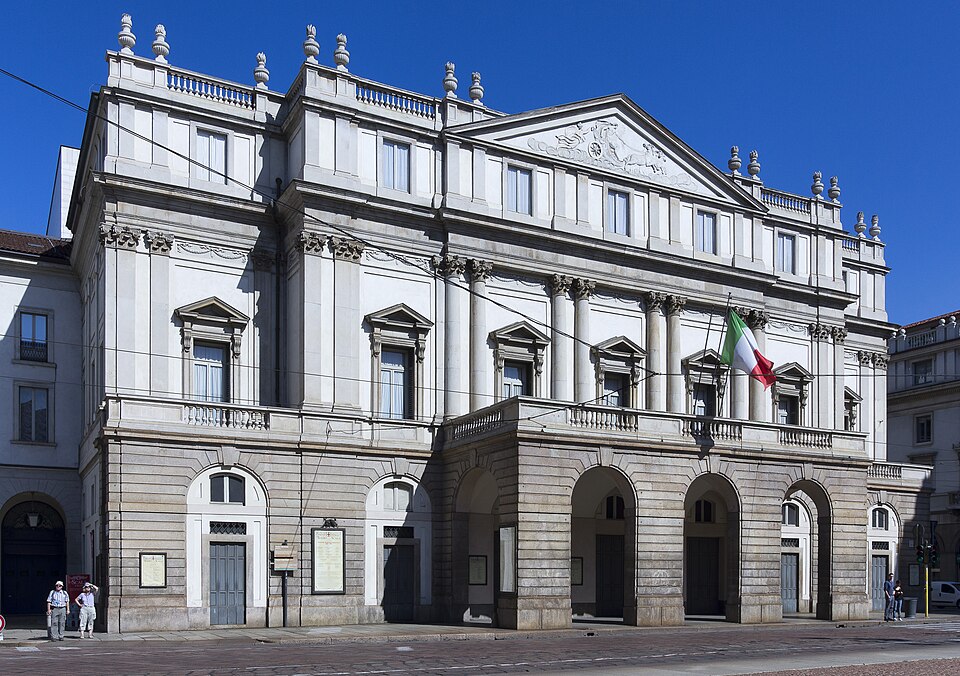
Visitors to Milano encounter a city that rewards both careful planning and purposeful wandering. The Cathedral district forms the natural heart of the city, where Gothic architecture dominates the skyline and the piazza fills with both locals and travelers. The surrounding areas contain numerous churches, palaces, and museums representing centuries of artistic achievement. Milan's art collections are among Europe's finest, with major museums housing everything from medieval manuscripts to Renaissance masterpieces to contemporary works.
Beyond the historic center, the city offers diverse neighborhoods, each with distinct character. The fashion district reflects Milano's role as a global style capital and headquarters for major design houses. Parks and green spaces, including larger areas on the city's periphery, provide respite from urban intensity. The Navigli district, with its restored canals and vibrant evening atmosphere, offers a different perspective on urban life. For those interested in design and contemporary culture, the city hosts numerous galleries, exhibition spaces, and cultural institutions. The surrounding Lombard countryside, accessible by local transport, offers a contrasting landscape of farmland, lakes, and smaller towns for those seeking to understand the region beyond the city proper.
Milano's position in northern Italy places it within reach of major European cities via air, rail, and road. Multiple airports serve the city, with train connections linking it to destinations throughout Italy and Europe. Within the city itself, a well-developed public transport system of metro, tram, and bus lines provides efficient movement. Many central areas are navigable on foot, though the city's size means that using public transport for longer journeys is practical and economical. Bicycles increasingly serve as a transport option for locals and visitors alike.
For the approximately 1.4 million people living within Milano's city limits, and the millions more in the surrounding metropolitan area, the city functions as Italy's economic engine. Milano accounts for roughly one-fifth of the country's GDP, a figure that speaks to its industrial, financial, and commercial significance. The city is home to stock exchanges, major banks, manufacturing concerns, and the world headquarters of numerous fashion and design companies. Beyond finance and fashion, Milano supports diverse industries including publishing, media, healthcare, and technology sectors.
For residents, Milano offers the advantages and challenges of a major global city. The pace of life moves faster than in many Italian cities. Public culture and nightlife are vibrant and accessible. Professional opportunities attract ambitious people from throughout Italy and abroad. Housing costs and living expenses are correspondingly higher than in smaller cities. The city's winters are cold and often gray, with fog common in the surrounding plains during certain seasons, while summers can be warm and occasionally humid.
Milano operates on Europe/Rome timezone. The city sits at 127 meters above sea level. The population within city limits is 1,371,498, though the greater metropolitan area contains significantly more residents. The best time to visit weather-wise is generally late spring through early autumn, though the city offers interest and activities throughout the year.
View larger map — © OpenStreetMap contributors
Flight delayed or cancelled?
You could be owed up to €600 compensation. Check your eligibility for free.Do you know Milano, Lombardy?
Share local tips, recommend a hotel, list a business or add a photo.
✏️ Share your knowledge about Milano, LombardyDo you know Milano, Lombardy?
Share local tips, recommend a hotel, list a business or add a photo.
✏️ Share your knowledge about Milano, Lombardy