Image: Wikipedia / Wikimedia Commons
Image: Wikipedia / Wikimedia Commons
Montréal is a city where history whispers from cobblestone streets and contemporary energy pulses through its neighborhoods at every turn. As the largest city in Quebec and Canada's second-largest metropolitan center, it has earned a reputation as one of North America's most distinctive urban destinations. With a population of 1,762,949, Montréal blends European charm with North American vitality, creating a place where French and English cultures intersect, where art thrives on building facades, and where locals and visitors alike discover something unexpected around nearly every corner.
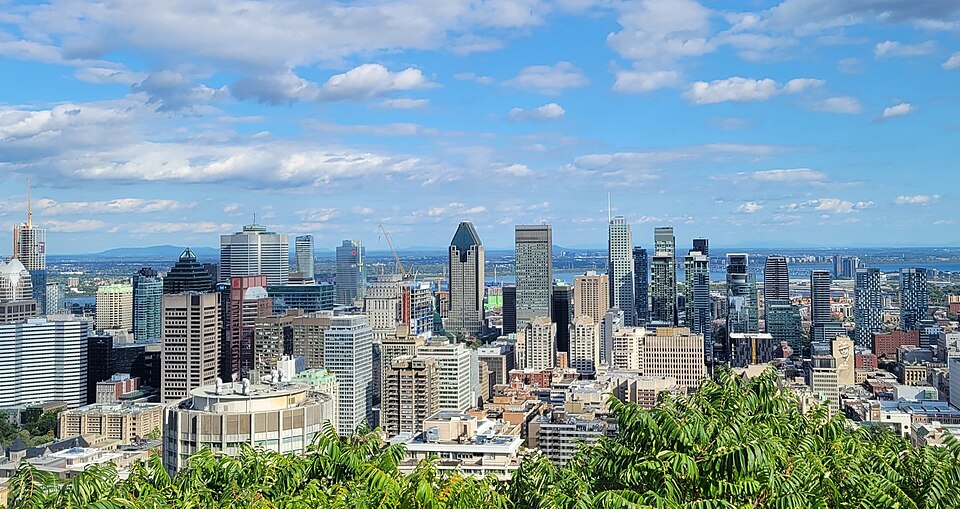
Montréal sits at coordinates 45.50884N, -73.58781E on the Island of Montreal, positioned 196 kilometres east of Canada's national capital, Ottawa, and 258 kilometres southwest of Quebec City, the provincial capital. The city rises to an elevation of 216 meters above sea level, with much of its character shaped by Mount Royal, the distinctive triple-peaked mountain that dominates the urban landscape and from which the city takes its name. This geographic feature has influenced the city's development since its earliest days, creating natural neighborhoods and districts that radiate outward from the mountain's slopes.
The island setting has made Montréal a natural hub for commerce and culture. Beyond the main island, several smaller peripheral islands contribute to the city's geography, with Île Bizard being the largest of these. The surrounding waterways, including the St. Lawrence River, have historically made this location strategically important and continue to define the city's character today. The city experiences four distinct seasons, with winters that can be cold and snowy, and summers that bring warm, pleasant weather ideal for exploring outdoor spaces.
The story of Montréal begins in 1642 when French colonists established Ville-Marie, which translates as "City of Mary." This religious mission gradually transformed into a trading post and settlement that would eventually become one of North America's most important cities. The old town, known as Vieux-Montréal, preserves much of this colonial heritage through its narrow streets, historic buildings, and waterfront character.
Walking through the city today, you encounter layers of this history at every turn. The streets retain their French names and European sensibility, while architecture spanning centuries demonstrates the city's evolution from a French colonial settlement to a modern metropolis. The influence of the city's founding is woven into its culture, institutions, and the bilingual character that defines daily life. Understanding Montréal means appreciating how its past continues to shape its present identity.
Montréal offers visitors and residents alike an abundance of neighborhoods worth exploring on foot. Each district possesses its own character and energy. The cobblestoned streets of Vieux-Montréal reveal heritage buildings, waterfront views, and the sense of stepping backward in time. The areas around Mount Royal offer parks and green spaces, including Mount Royal Park itself, which provides hiking trails, lookout points, and a respite from urban energy. On clear days, the views across the city and toward the surrounding landscape are spectacular.
The city's cultural offerings are remarkable. World-class museums, galleries, theaters, and performance venues populate the city, while outdoor festivals occur throughout the year in neighborhoods across the island. The Underground City, a network of interconnected walkways beneath downtown Montréal, is a unique urban feature particularly valued during winter months. The city's diverse neighborhoods each contribute cultural institutions, street art, and gathering spaces that reflect the communities that inhabit them. For those seeking natural spaces, parks and green areas are distributed throughout the island, offering everything from peaceful walks to more active recreation.
Montréal is well-connected by road, rail, and air. The city's airport serves major domestic and international destinations. Train services connect Montréal to other Canadian cities and to the northeastern United States. Within the city, public transportation in the form of bus and metro systems provides comprehensive coverage across the island. The street grid, particularly in central areas, is generally navigable on foot, making walking an excellent way to experience different neighborhoods. Cycling infrastructure has expanded in recent years, and many residents and visitors choose bicycles for local travel.
What makes Montréal unique to those who call it home is the blend of cultures, languages, and creative energy that characterizes daily life. The city has historically been an important center for commerce, manufacturing, and trade, though like many North American cities, it continues to evolve its economic base. Today, technology, creative industries, healthcare, education, and services form significant parts of the economy. The bilingual nature of the city—with both French and English spoken in workplaces and neighborhoods—reflects Quebec's position as a French-speaking province within an English-speaking country. This duality creates a distinctive cultural perspective that influences everything from business practices to social institutions. For Montrealers, the city represents a place where multiple identities coexist, where cultural expression is valued, and where the rhythm of life balances European sensibility with North American pragmatism.
Montréal operates on America/Toronto timezone. The city's population of 1,762,949 makes it a substantial urban center, yet many neighborhoods retain a scale that feels intimate and navigable. The elevation of 216 meters above sea level means the city experiences typical continental climate patterns, with significant snowfall in winter and warm summers. Whether you're visiting for the first time or have called Montréal home for years, the city rewards curiosity and wandering, revealing new discoveries in unexpected places.
View larger map — © OpenStreetMap contributors
Flight delayed or cancelled?
You could be owed up to €600 compensation. Check your eligibility for free.Do you know Montréal, Quebec?
Share local tips, recommend a hotel, list a business or add a photo.
✏️ Share your knowledge about Montréal, QuebecDo you know Montréal, Quebec?
Share local tips, recommend a hotel, list a business or add a photo.
✏️ Share your knowledge about Montréal, Quebec