

What New York City is known for
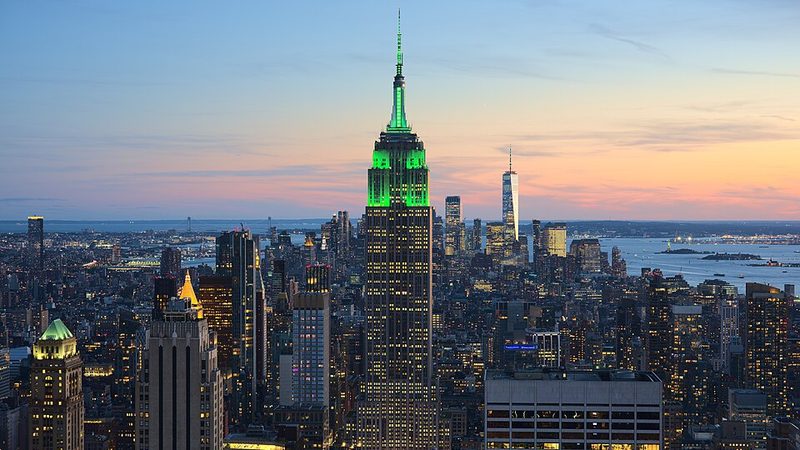
Eight million people compressed onto islands at the mouth of the Hudson River, speaking 800 languages, building skyward because there's nowhere else to go. New York City sits at the southern tip of New York State where one of the planet's great natural harbors opens to the Atlantic—a geographic advantage that shaped everything from its founding as a Dutch trading post in 1624 to its present role as a global financial, media, and cultural centre. The city is built across five boroughs, each occupying its own county: Manhattan forms the visual and economic core, while Brooklyn, Queens, the Bronx, and Staten Island spread across a landscape of bedrock, rivers, and engineered shoreline.
Arrival and Orientation
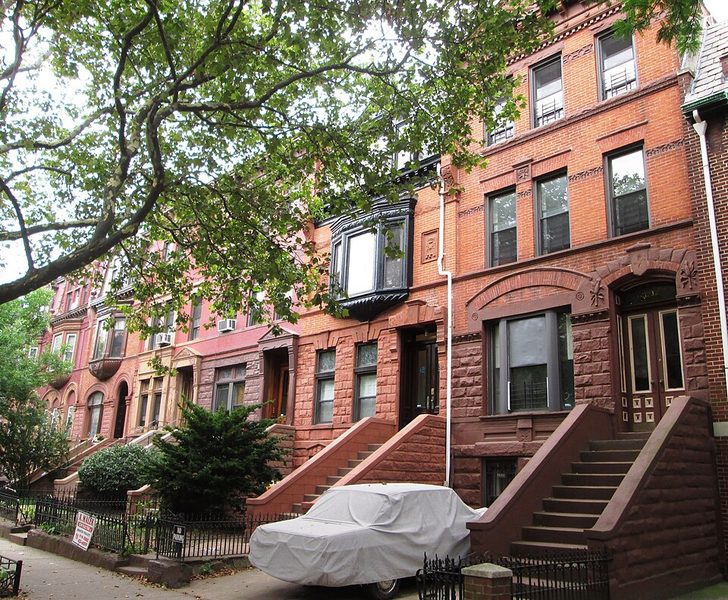
New York announces itself in density and verticality. Manhattan's grid streets create navigable order despite the crowds—numbered streets run east-west, avenues north-south. Brooklyn retains older street patterns and nineteenth-century architecture. The East River and Hudson River frame Manhattan; the harbor itself remains one of the world's largest natural anchorages, protected and deep enough to have supported shipping for four centuries.
Three major airports serve the metropolitan area. The subway system moves millions daily across all five boroughs—an essential piece of infrastructure that shapes how residents and visitors navigate the city. Taxis and ride services operate throughout. Specific schedules, routes, and fares should be checked with local transit authorities before travel.
Historical Development
Algonquian tribes inhabited the region long before Europeans arrived. Giovanni da Verrazzano documented a European visit in 1524, naming the area Nouvelle Angoulême. In 1609, Henry Hudson sailed the Halve Maen into New York Harbor on behalf of the Dutch East India Company. Juan Rodriguez, a merchant from Santo Domingo, became the first recorded non-Native American resident, arriving in winter 1613-1614 to trade in pelts.
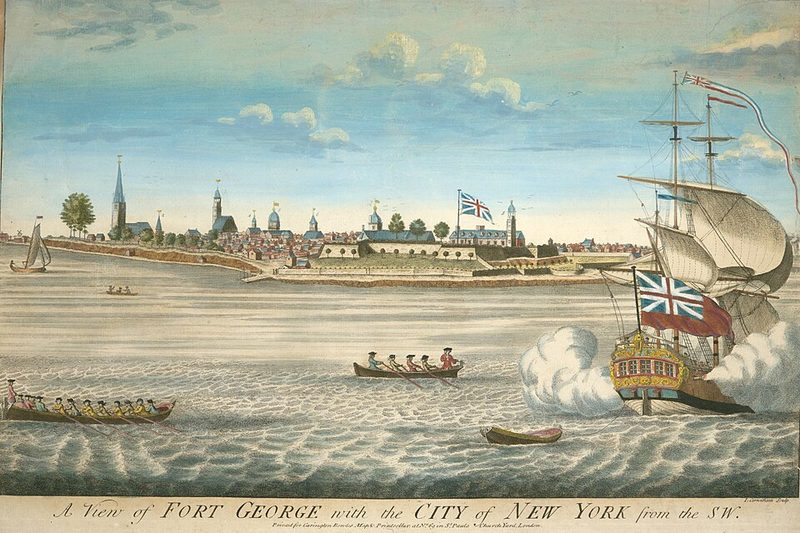
The Dutch established permanent settlement in 1624, making New York one of the oldest continuously occupied European settlements in continental North America. English forces took control in 1664. During the American Revolution, New York and New Jersey served as contested battleground in 1776-1777 as British forces under General William Howe fought the Continental Army under George Washington. The British held New York Harbor for the remainder of the war, using it as a base for operations. After American independence, the city began its transformation into an economic and cultural powerhouse—a trajectory that accelerated through successive waves of immigration, industrialization, and financial innovation.
Economy and Daily Life
The city's economy rests on multiple pillars. Wall Street remains a global financial centre. Real estate moves constantly as the city densifies and regenerates. Media and entertainment industries are headquartered here—New York functions as the media capital of the world, home to major newspapers, publishing houses, record companies, and television studios. Tech and biotech sectors occupy significant space. Tourism drives substantial spending.
The workforce reflects the diversity of the population itself. The city is demographically complex, with varied ethnicities, nationalities, religions, and sexual orientations woven into neighborhoods and institutions. A distinctive accent and dialect persist among certain populations. Food cultures overlap and compete—cuisines from dozens of origins available across neighborhoods and price ranges. Sports carry local passion, with multiple professional teams claiming the city as home.
What Visitors Experience
Visitors are struck by scale, pace, and the sheer number of people in motion. The street grid in Manhattan makes navigation possible despite the crowds. The waterfront matters more than many expect—rivers and harbor create breaks in the urban fabric and anchor parks and promenies.
Museums and historical sites document the layered past. Broadway theaters concentrate around Times Square and the Theater District. The Brooklyn Bridge carries foot traffic and connects Manhattan to Brooklyn visually and physically. Restaurant density is so high that any neighborhood contains options at multiple price points. Tours include walking tours, guided city tours, bike tours, and helicopter and cruise options.
Cultural Geography
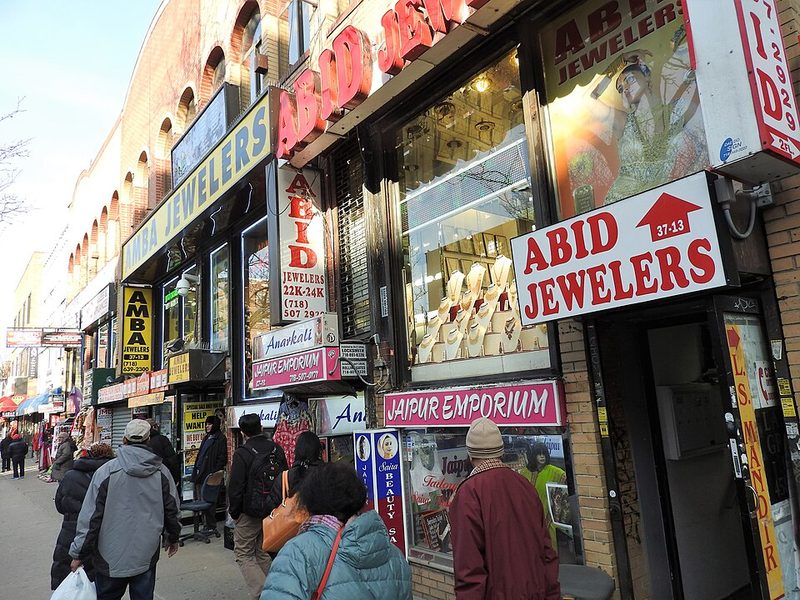
Neighborhoods carry distinct identities. Harlem is world-famous as a hub of African American heritage, with jazz clubs, soul-food restaurants, and the Apollo Theater serving as cultural landmarks. Little Italy and Chinatown represent distinct cultural communities with concentrated food and commerce. The Upper West Side features synagogues and traditional Jewish markets such as Zabar's, specializing in smoked fish, challah, babka, and bagels. Greenwich Village and the East Village reflect bohemian and artistic histories, with galleries, performance venues, and street art. Queens is often described as the city's most diverse borough.
Safety and Practical Advice
Official travel advice for the United States maintains normal precautions status. No regional restrictions apply to New York City. Standard entry requirements apply to travelers depending on nationality and visa status—immigration enforcement is strict. For current security information or travel advisories affecting US travel, consult official government sources including the UK Foreign, Commonwealth & Development Office or the US State Department.
The upcoming 2026 World Cup co-hosted by the United States (June 11-July 19) may affect travel logistics during that period. Visitors should confirm accommodation and transport arrangements well in advance if traveling during the tournament.