


What Patna is known for
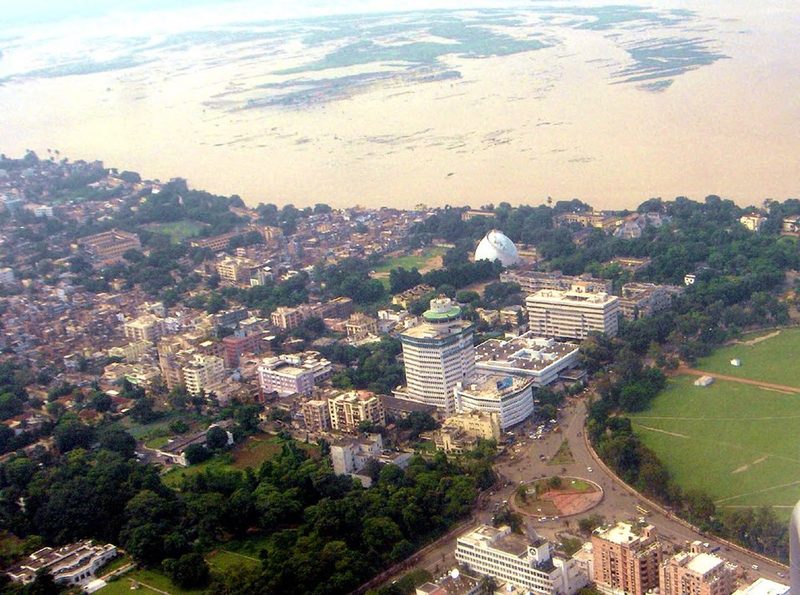
Patna sits on the southern bank of the Ganges, a city of 1.7 million that carries one of Asia's oldest continuous urban histories. Known in antiquity as Pataliputra, capital of the Mauryan Empire under Ashoka, the settlement has functioned as a seat of power and religious significance for more than 2,500 years. Today it serves as the administrative capital of Bihar state and a practical base for travellers following Buddhist, Jain and Sikh pilgrimage routes across the region.
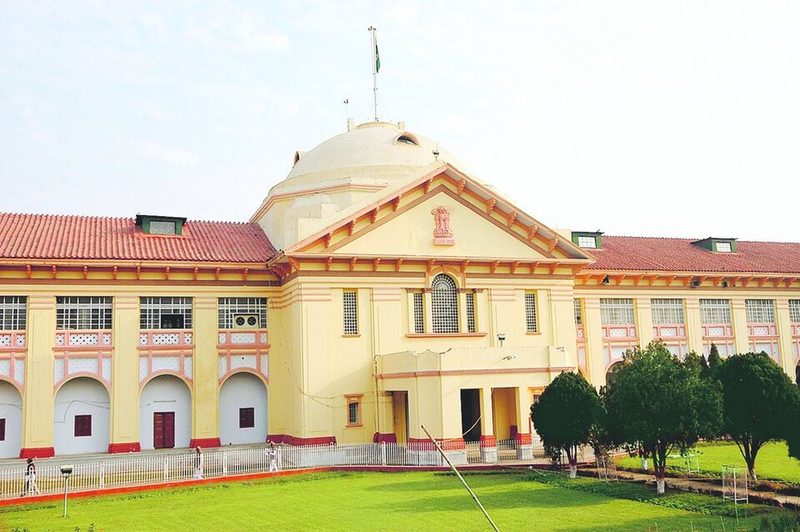
The city sprawls roughly 35 kilometres in length along the river plain at 53 metres elevation. Bailey Road (officially Nehru Path, though locals still use the old name) forms the main east-west artery, lined with government offices, the Patna High Court, museums and civic buildings. Visitors arrive primarily by rail through Patna Junction, one of India's busiest stations, or by air through Patna Airport. The urban landscape reflects its mixed functions: administrative quarters, commercial districts, residential neighbourhoods, and scattered religious sites interspersed without clear separation.
Ancient Foundations and Religious Significance
Patna's identity rests entirely on Pataliputra, the ancient capital founded around 600 BCE. Under the Mauryan, Shunga and Gupta empires, this was a major centre of Buddhist learning and practice. Emperor Ashoka ruled from here, and the city's connection to Buddhism remains central to its modern character. Archaeological remains from the Mauryan period have been excavated at Kumhrar, located 5 kilometres east of Patna Railway Station, where portions of an 80-pillared assembly hall and palace structures dating to 322–185 BCE are preserved. Other excavation sites include Bulandi Bagh and Agam Kuan.
For Sikhs, Patna holds particular importance as the birthplace of Guru Gobind Singh, the tenth Sikh Guru, born here in December 1666. Takhat Sri Harmandir Ji, also known as Patna Sahib, stands as one of the five Takhts (holy seats) of Sikhism. Built by Maharaja Ranjit Singh in the early 19th century, the gurdwara features a golden dome and intricate artwork, and draws Sikh pilgrims year-round. The site lies within the Patna Sahib neighbourhood.
The city also serves as a gateway to major Buddhist and Jain pilgrimage sites: Bodh Gaya (where Buddha is said to have attained enlightenment), Nalanda (site of the ancient university and UNESCO World Heritage Site), Rajgir, Vaishali and Pawapuri all lie within reach, making Patna a natural staging point for religious circuits through Bihar.
Museums and Historical Sites
The Bihar Museum, situated along Bailey Road, holds collections spanning the state's artistic, cultural and archaeological heritage. Exhibitions cover the Mauryan, Gupta and Mughal periods and highlight Bihar's role in the birth of Buddhism and Jainism. Notable pieces include sculptures, manuscripts and a life-size Ashokan pillar. The museum building itself is a modern structure designed to display ancient relics.
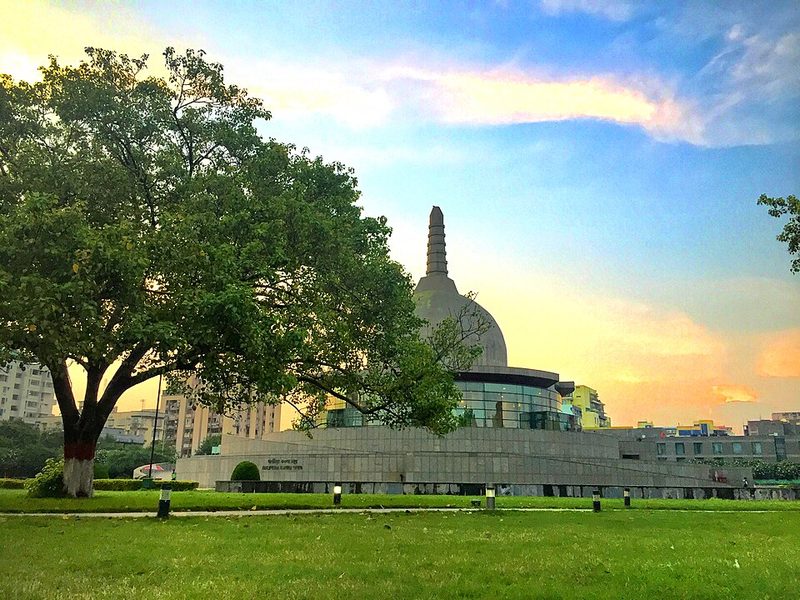
Patna Museum houses an extensive collection of Mauryan, Gupta and Mughal artefacts, including the famous Didarganj Yakshi, a polished stone sculpture from the Mauryan period. Buddha Smriti Park, featuring a stupa and Bodhi tree, offers a space for reflection. Golghar, an 18th-century granary built by the British to store grain during famines, provides panoramic views over the city from its upper levels. Mahavir Mandir, a major Hindu temple, also appears in visitor itineraries.
Practical Considerations
Patna functions primarily as an administrative and transit city rather than a curated tourist destination. Streets carry the energy and density typical of large Indian cities, with markets, street vendors, government offices and residential areas tightly interspersed. The Ganges is visible from parts of the city but does not dominate the urban experience as it does in some other Ganges towns.
Most visitors come for specific religious sites or as a base for onward travel to pilgrimage destinations. The city itself requires one to two days for those interested in its museums and Mauryan-era remains. Travellers planning to visit Buddhist circuit sites such as Bodh Gaya, Nalanda and Rajgir typically spend additional nights in Patna or at those destinations.
Patna Junction railway station is well-connected to major Indian cities and handles substantial passenger traffic. Patna Airport serves domestic routes; schedules and carriers should be checked locally. Within the city, auto-rickshaws and taxis provide local transport; specific arrangements should be verified on arrival.
Is Patna Worth Visiting?
Patna appeals primarily to travellers with specific interests: those following Buddhist and Sikh pilgrimage routes, visitors interested in ancient Indian history and archaeology, or people with administrative or family reasons to be in Bihar's capital. The city's museums and Mauryan-era excavation sites offer tangible connections to one of Asia's oldest continuous urban settlements. Takhat Sri Harmandir Ji holds deep significance for Sikhs. For general leisure travel, Patna functions more effectively as a gateway than a destination in itself—its proximity to Bodh Gaya, Nalanda and Rajgir makes it a practical base for exploring Bihar's religious and historical sites.
Where to Stay in Patna
Specific recommendations require current local information, as the available sources do not detail hotel districts or neighbourhoods. Bailey Road and the area around Patna Junction offer proximity to transport connections and government offices. Visitors planning to focus on Takhat Sri Harmandir Ji may find accommodation near Patna Sahib neighbourhood convenient. Checking recent booking platforms and travel forums will provide more current guidance on areas and properties suited to different budgets.
How Many Days Do You Need in Patna?
One to two days suffices for visitors focused on the city's museums, Takhat Sri Harmandir Ji, and Mauryan archaeological sites. Travellers using Patna as a base for Buddhist circuit sites such as Bodh Gaya (approximately 95 kilometres away), Nalanda and Rajgir should plan additional days depending on their itinerary—three to four days total allows for day trips to these destinations while returning to Patna each evening, though some visitors prefer to stay overnight at Bodh Gaya or Rajgir to avoid long daily drives.
Is Patna Safe for Visitors?
Neither the UK Foreign, Commonwealth and Development Office (FCDO) nor the US State Department identify Patna or Bihar specifically in their India travel advisories as areas requiring heightened caution or subject to travel restrictions. Standard advice for travel in India applies: remain aware of surroundings, monitor local news, and follow guidance from local authorities. Visitors should consult current official travel advisories before departure, as conditions and recommendations can change.