

What Philadelphia is known for
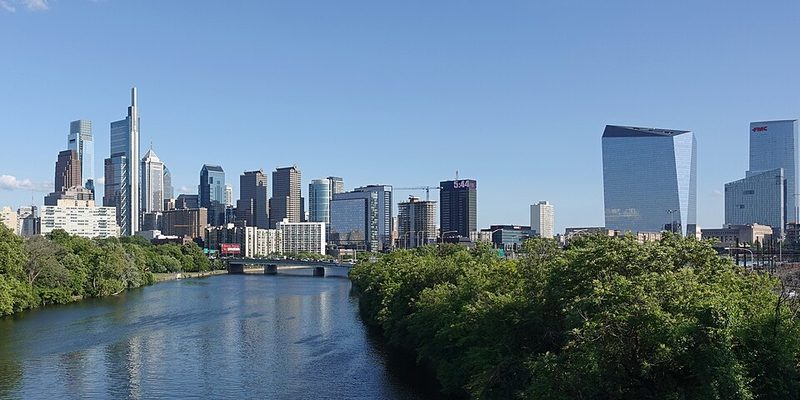
Philadelphia sits between the Delaware and Schuylkill rivers as Pennsylvania's largest city, with a population of 1,573,916. The city operates as a major centre for finance, life sciences, and technology, whilst maintaining visible connections to its colonial founding in 1682 and its role during the American Revolution. The Philadelphia Museum of Art anchors the Benjamin Franklin Parkway cultural corridor, Reading Terminal Market continues as a working public market dating to 1893, and row houses define the residential streetscape across most neighbourhoods. The city's character shifts markedly between districts—Center City's office towers and institutions give way to working-class South Philadelphia, university-dominated West Philadelphia, and distinct communities in the North, Northeast, and Northwest sections.
Arrival and First Impressions
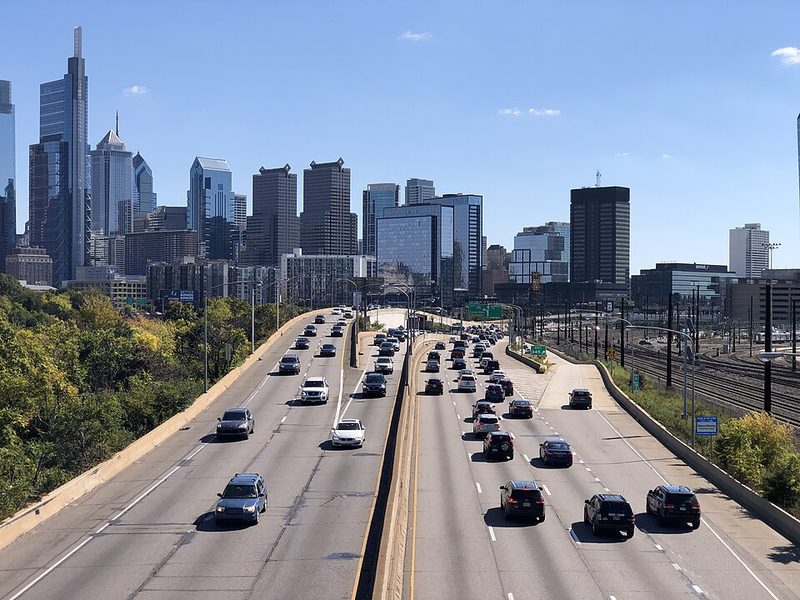
The city announces itself through its street grid and architectural texture. Philadelphia occupies relatively flat land in the Delaware Valley, and William Penn's 1682 plan established the grid that still structures Center City. Visitors arriving by any route encounter block after block of brick row houses, the narrow-facade dwellings that define residential Philadelphia more than any other building type. The Comcast Technology Center rises 1,121 feet as Pennsylvania's tallest building, a marker of contemporary development, whilst the older industrial infrastructure remains visible—converted warehouses, former manufacturing sites, and the waterfront areas that made the city commercially viable. The density is consistent rather than dramatic; Philadelphia grew through continuous infill rather than vertical expansion, creating a layered urban fabric where eighteenth-century streets, nineteenth-century rowhouses, and contemporary office buildings coexist without clear separation.
Historical Context and Identity
Philadelphia's "Cradle of Liberty" designation reflects measurable historical facts. By the 1750s, the city ranked as the second-largest in the British Empire. Independence Hall served as the location where the Declaration of Independence and Constitution were debated and signed. The city operated as the national capital from 1790 to 1800. These events established an identity that tourism infrastructure reinforces, though Philadelphia's actual development followed a more complex trajectory. The nineteenth century brought industrial expansion—the "Workshop of the World" designation reflected manufacturing capacity—alongside civil unrest during the Civil War period. The twentieth century saw postwar deindustrialization, population shifts, and economic restructuring that created the contemporary city of research institutions, universities, and service-sector employment.
The Wistar Institute, founded in 1892, represents this evolution from manufacturing to life sciences research. The city now hosts significant biotechnology and pharmaceutical operations alongside its financial sector. Cultural identity markers include "City of Firsts," "City of Medicine," and "Quaker City," each reflecting different periods. The Philadelphia Museum of Art's Rocky Steps have become a cultural reference point that merges high culture with popular film memory—visitors run the steps as both tourists and local exercisers.
Contemporary Economy and Character
Philadelphia operates through finance, insurance, life sciences, technology, and advanced manufacturing. The city ranks first nationally for finance and insurance employment clusters, with multiple Fortune 500 headquarters and substantial federal government presence. Office rental rates remain competitive compared to New York or Boston, a factor in business location decisions. The metropolitan area population exceeds 6.3 million, making it the nation's ninth-largest metropolitan area, though the city proper has seen population fluctuations.
The "City of Neighbourhoods" designation reflects genuine fragmentation. Center City contains Rittenhouse Square and Old City, the historic and commercial core. South Philadelphia maintains Italian-American community presence and working-class character. West Philadelphia centres on university campuses. Each section operates with distinct commercial streets, institutions, and demographics. This fragmentation means visitor experiences vary significantly depending on location—Old City's colonial sites differ markedly from Fairmount Park's recreational landscape or the commercial corridors of Northeast Philadelphia.
Cultural Infrastructure
The Philadelphia Museum of Art houses substantial collections in a 1928 building modelled on classical Greek architecture. The Barnes Foundation, relocated to the Benjamin Franklin Parkway in 2012, holds significant impressionist and post-impressionist works in distinctive "ensemble" arrangements. The Rodin Museum contains the largest collection of Auguste Rodin's works outside Paris. Mural Arts Philadelphia, founded in 1984 as an anti-graffiti programme, has produced nearly 4,000 murals, earning the city recognition as a centre for public art.
Reading Terminal Market operates as a working public market with over 80 vendors selling prepared foods, produce, and specialities. The market functions as both tourist destination and local amenity. Philadelphia's cheesesteak tradition centres on thinly sliced ribeye with melted cheese on a roll, available from pizza shops, market stalls, and dedicated stands. The city's performing arts infrastructure includes orchestra, opera, and theatre companies with established seasons.
Practical Orientation
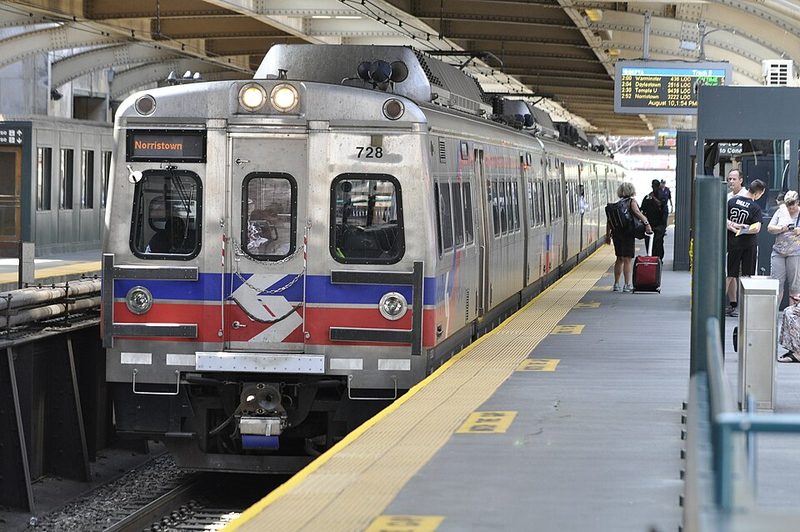
Philadelphia International Airport provides air access approximately 11 kilometres southwest of Center City. Amtrak operates regular Northeast Corridor service connecting the city to New York, Washington, and Boston through 30th Street Station. SEPTA, the regional transit authority, runs subway, trolley, and bus services, though route coverage and service frequency vary by neighbourhood. The city grid makes navigation straightforward in Center City, whilst outer neighbourhoods require more specific planning.
Accommodation concentrations exist in Center City near major attractions and the convention centre. The city operates in the Eastern Time zone. Tourism represents an established economic sector, with visitor services, walking tours, and attraction infrastructure readily available. Weather follows mid-Atlantic patterns, with cold winters, hot humid summers, and moderate spring and autumn periods.
What Visitors Should Expect
Philadelphia functions as a working city with established tourism infrastructure rather than a purpose-built visitor destination. The historical sites are genuine rather than reconstructed, the museums hold substantial collections, and the food culture reflects actual local preferences rather than invented traditions. The neighbourhood-based geography means planning benefits from understanding distances and district character—the colonial core in Old City, the museum corridor along Benjamin Franklin Parkway, the Italian Market in South Philadelphia, and Fairmount Park's green space each require separate consideration. The city rewards multi-day visits that accommodate different areas rather than attempts to see everything in compressed timeframes. Street grittiness coexists with cultural amenities; the urban landscape shows use and economic transition alongside contemporary investment.