

What Phoenix is known for
Arriving in Phoenix
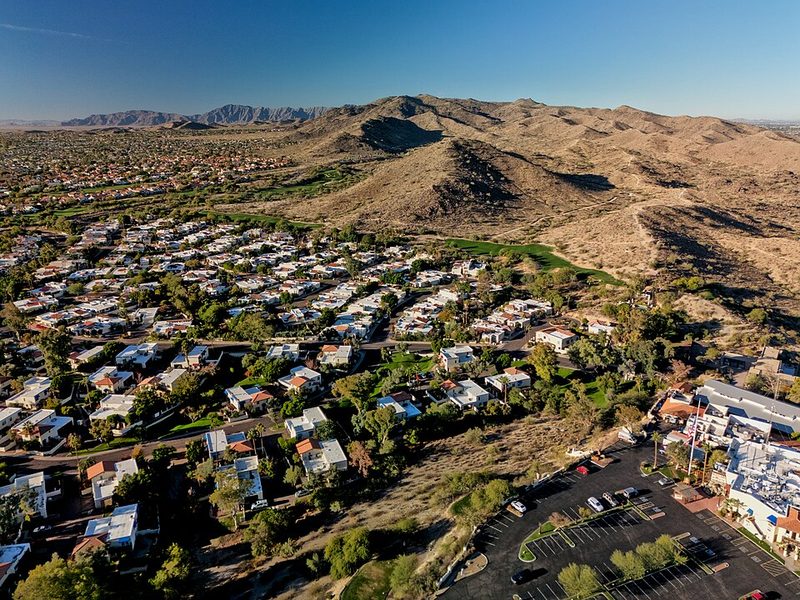
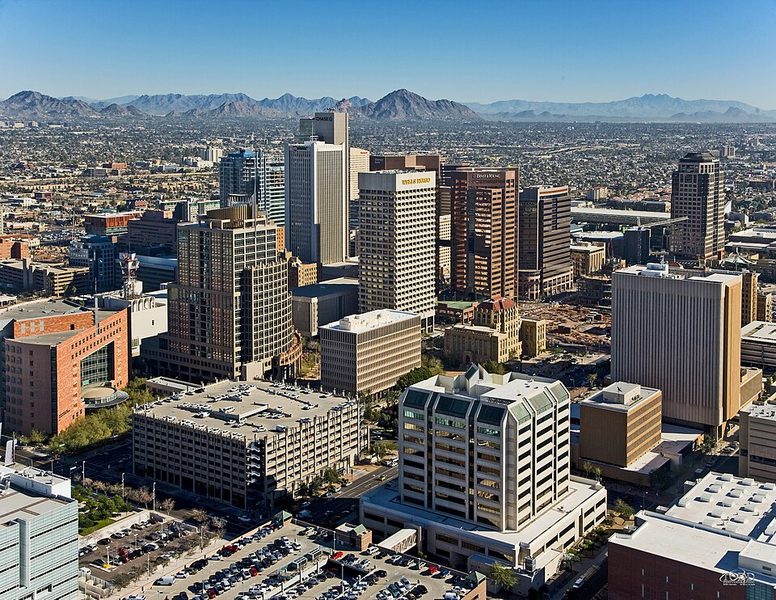
Phoenix sits in a wide, flat valley surrounded by desert mountains in central Arizona. The city covers 518 square miles across the Salt River Valley, making it America's fifth-largest city by population. Over 1.6 million people live within the city limits, though the metropolitan area—spanning Tempe, Scottsdale, Mesa and other municipalities—exceeds five million residents. The city serves as Arizona's capital and the most populous state capital in the United States.
Phoenix Sky Harbor International Airport lies three miles east of downtown and provides the primary gateway for visitors. The airport connects to major North American hubs and handles over 40 million passengers annually. Interstate 10 runs east-west through the metropolitan area, whilst Interstate 17 provides the primary north-south corridor. The Valley Metro light rail operates between Mesa, Tempe, Phoenix and northwest into the expanding transit network, though most residents and visitors rely on personal vehicles given the city's horizontal sprawl.
The climate defines much of life in Phoenix. The region averages approximately 300 days of sunshine each year. Summer temperatures routinely exceed 110°F (43°C), whilst winter offers mild, dry conditions ideal for outdoor activity. First-time visitors often remark on the intensity of the light, the vastness of the clear sky, and the visible desert landscape that remains present throughout the metropolitan area despite the city's size.
Historical Foundations
The Salt River Valley supported the Hohokam people for centuries before European contact. Between approximately 1 AD and 1450 AD, the Hohokam constructed an extensive system of earthen irrigation canals—hundreds of miles in total length—that diverted water from the Salt and Gila rivers to agricultural fields in the desert. This sophisticated engineering achievement allowed farming communities to flourish in an otherwise arid environment. When Spanish explorers arrived in the 18th century, the Hohokam culture had already disappeared, leaving behind the abandoned canal infrastructure.
Modern Phoenix was founded in 1867 and incorporated as a city in 1881. Early settlers deliberately positioned the new settlement on the site of the ancient Hohokam canals, rehabilitating portions of the prehistoric irrigation system for agricultural use. The city's name reflects this narrative of renewal: the phoenix, the mythical bird that rises from ashes. For decades, Phoenix remained a regional agricultural and mining centre with modest population. The transformation into a major metropolitan area occurred after World War II, when rapid growth fuelled by air conditioning technology, military installations, aerospace manufacturing and retirement migration reshaped the Southwest. Phoenix continues to experience population growth and economic expansion, though at a more measured pace than the explosive mid-20th century decades.
Economy and Character
Phoenix maintains a diversified economy. Major sectors include healthcare, anchored by hospital networks such as Banner Health and Mayo Clinic; aerospace and defence manufacturing; semiconductor production; financial services; and tourism. According to 2023 data, Phoenix led the United States in manufacturing job growth that year, adding over 15,000 positions in automotive, electronics and other manufacturing categories. Major employers include Honeywell Aerospace, Intel, Wells Fargo, American Express, and multiple healthcare systems.
The city's demographic composition reflects broader patterns across the American Southwest. A substantial Hispanic and Latino population connects to the region's Spanish colonial heritage and ongoing cultural ties with northern Mexico. This presence shapes Phoenix's culinary landscape, arts programmes and community organisations. The metropolitan area also maintains significant Native American communities with historical ties to the region.
Museums and Cultural Institutions
The Heard Museum, located in central Phoenix, documents and celebrates Native American art, culture and history. The museum collaborates with artists and tribal communities from 22 regional tribes, hosting exhibitions, educational programmes and events including the annual World Championship Hoop Dance Contest. The collection includes traditional and contemporary Native American art, textiles, jewellery and cultural objects.
The Phoenix Art Museum serves as the largest art museum in the Southwest United States. Holdings span multiple periods and traditions, including contemporary installations such as Yayoi Kusama's Infinity Mirror Room. The Desert Botanical Garden, covering 140 acres with over 50,000 plant displays, educates visitors about desert ecosystems and sustainable desert living. The garden holds accreditation from the American Alliance of Museums. The Musical Instrument Museum presents collections from around the world in a purpose-built facility. Heritage Square preserves late 19th and early 20th century architecture in downtown Phoenix and hosts cultural programming.
Parks and Outdoor Access
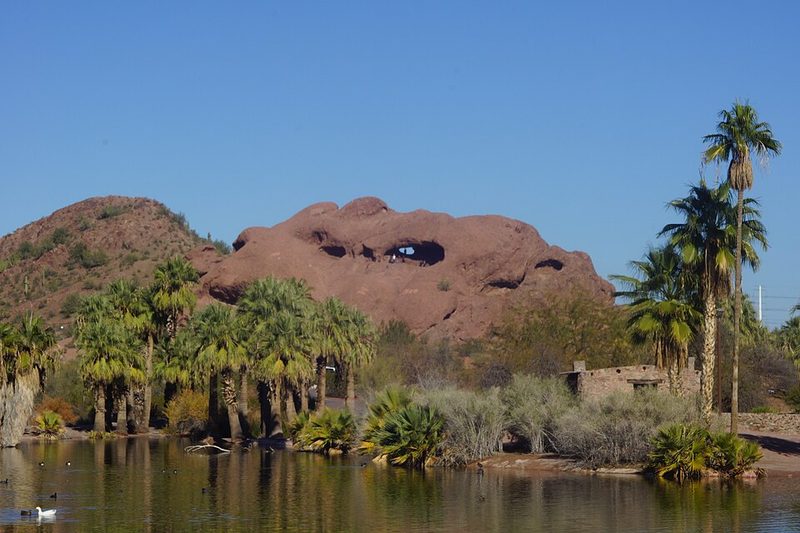
Phoenix administers over 200 public parks throughout the city, providing residents and visitors with extensive outdoor recreation space. The Maricopa County regional park system surrounds the metropolitan area with mountain preserves and desert trail networks accessible for hiking and cycling. South Mountain Park and Preserve, covering over 16,000 acres within Phoenix city limits, ranks among the largest municipal parks in the United States. Camelback Mountain, recognisable by its distinctive profile, offers hiking trails that attract both residents and visitors despite steep, exposed terrain.
Winter months—November through March—provide the most comfortable conditions for outdoor activity. Summer heat requires careful planning, early morning or evening scheduling, and consistent hydration. Many hiking trails close or discourage use during peak afternoon heat from June through September.
Practical Considerations
Phoenix operates as a well-serviced American city with reliable infrastructure. The cost of living remains moderate compared to coastal metropolitan areas, though housing costs have increased in recent years. Healthcare facilities meet high standards. Mobile phone coverage is extensive. The city's horizontal layout means that distances between points of interest can be substantial—15 to 20 miles between some attractions is not uncommon.
The climate requires respect. Summer temperatures are genuinely dangerous for unprepared visitors. Heat-related illness affects tourists each year, particularly those attempting outdoor activity during midday hours. Winter offers ideal conditions, with daytime temperatures typically ranging from 65-75°F (18-24°C) and minimal rainfall. Spring and autumn serve as shoulder seasons, though late spring sees rising temperatures that transition into summer heat by May.
Is Phoenix Worth Visiting?
Phoenix offers access to desert landscapes, Native American cultural heritage, quality museums, and proximity to scenic areas including Sedona, the Grand Canyon and the Superstition Mountains. The city functions primarily as a residential and business centre rather than a tourist destination, though the Heard Museum, Desert Botanical Garden, and surrounding natural areas provide worthwhile experiences. Winter weather makes Phoenix appealing for visitors seeking warm, dry conditions from November through March. The metropolitan area serves effectively as a base for exploring central and northern Arizona.
Where to Stay in Phoenix
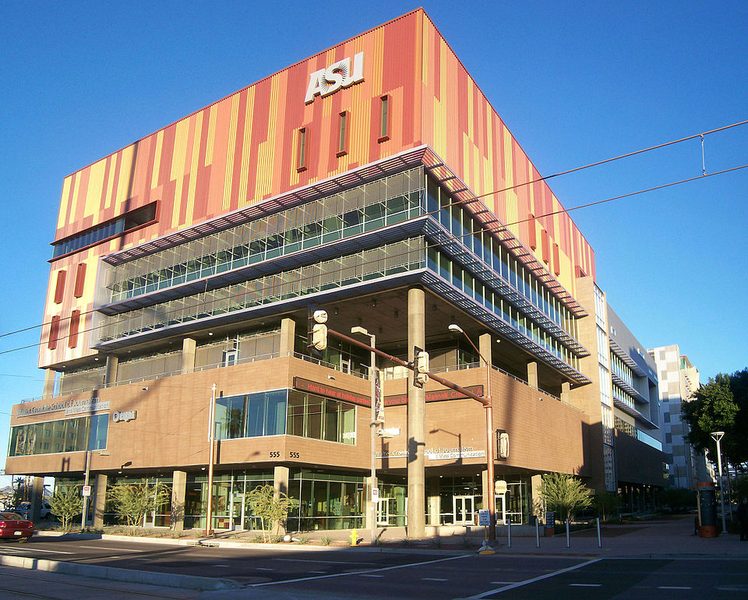
The downtown Phoenix area provides access to museums, sports venues and the light rail system. The Scottsdale district, located northeast of central Phoenix, concentrates hotels, restaurants and shopping around Old Town Scottsdale. Tempe, home to Arizona State University, offers accommodation options near the airport and light rail connections. Areas near Sky Harbor Airport provide convenience for short stays. The sprawling nature of metropolitan Phoenix means that location choices depend on planned activities—proximity to specific attractions or districts matters more than a single central neighbourhood.
How Many Days Do You Need in Phoenix?
Two to three days allows time to visit major museums such as the Heard Museum and Phoenix Art Museum, explore the Desert Botanical Garden, and complete a desert hike at South Mountain or Camelback Mountain. Visitors using Phoenix as a base for day trips to Sedona, Taliesin West in Scottsdale, or other regional attractions would benefit from four to five days. The city's attractions are spread across the metropolitan area, so daily itineraries require travel time between sites.
Is Phoenix Safe for Visitors?
The UK Foreign, Commonwealth and Development Office and the US State Department maintain normal travel precautions for the United States with no specific warnings for Phoenix or Arizona. Standard urban safety practices apply. The primary safety concern for visitors involves heat exposure rather than crime—summer temperatures pose genuine health risks, and desert hiking accidents occur regularly when individuals underestimate conditions or become dehydrated. Visitors should check current official travel guidance before departure.