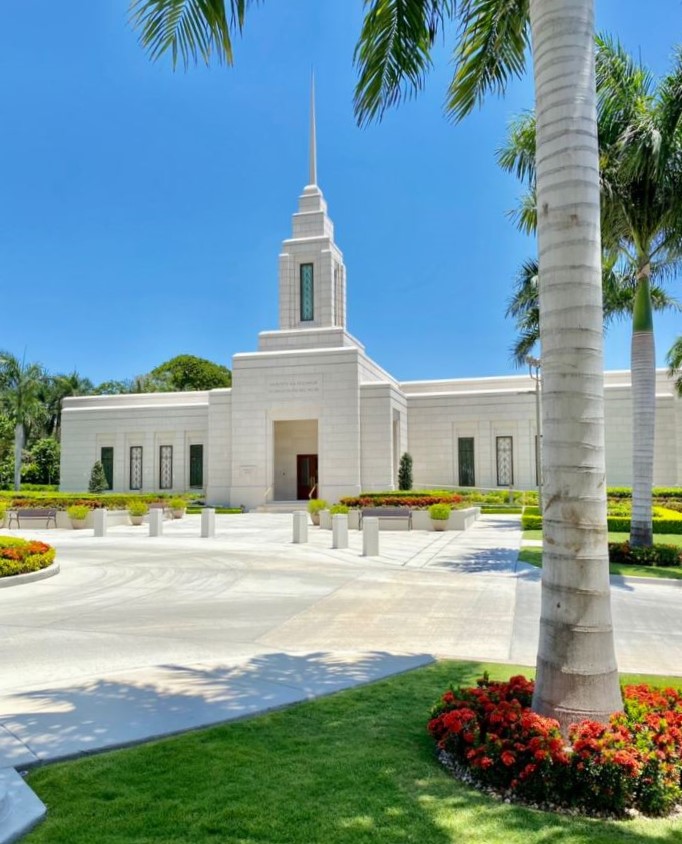
Image: Wikipedia / Wikimedia Commons
Image: Wikipedia / Wikimedia Commons
Port-au-Prince is the beating heart of Haiti and the Caribbean's most densely populated capital city. Perched on the shores of the Gulf of Gonâve, this sprawling metropolis serves as the nation's political, economic, and cultural center. Despite significant challenges that have shaped its modern history, the city remains a place of resilience, creativity, and undeniable vitality, where Haitian culture expresses itself through art, music, food, and the determined spirit of its people.
Port-au-Prince is located at coordinates 18.54349 degrees North and 72.33881 degrees West on Haiti's western coast, sitting at just 27 meters above sea level. The city occupies a natural harbor on the Gulf of Gonâve, a geographic advantage that has defined its role as Haiti's primary port and commercial gateway for centuries. The metropolitan area extends across multiple communes including Delmas, Cité Soleil, Tabarre, Carrefour, and Pétion-Ville, creating an expansive urban zone with a combined metropolitan population estimated at approximately 2.6 million people.
The city's terrain is marked by steep hills that rise sharply from the waterfront, creating dramatic topography that defines Port-au-Prince's visual character. This elevation change has influenced settlement patterns, with wealthier neighborhoods often situated on higher ground, while lower-lying areas near the coast and harbor face different environmental pressures. The flat coastal plain gives way to increasingly rugged terrain as one moves inland and upward, offering views across the gulf toward distant islands on clear days.
Port-au-Prince was founded in 1749 and became Haiti's capital in 1770, replacing Cap-Français as the seat of colonial power. The city's name references a French ship, the Prince, which anchored in the harbor during the city's early development. As the capital of what would become the first independent Black nation in the Western Hemisphere, Port-au-Prince holds profound significance in the history of the Caribbean and the wider struggle for freedom and self-determination.
The city has endured considerable hardship throughout its modern history, including the devastating 2010 earthquake that caused widespread destruction and loss of life. Yet Port-au-Prince continues to serve as the symbolic center of Haitian national life. The architecture scattered throughout the city tells stories of different eras, from colonial-era structures to 20th-century buildings, reflecting layers of development, adaptation, and reconstruction. Historic sites related to Haiti's independence and cultural evolution remain important focal points within the urban landscape.
Port-au-Prince offers visitors and residents opportunities to experience Haitian culture in its most concentrated and vibrant form. The waterfront areas provide views of the gulf and access to maritime life that has always been central to the city's identity. The surrounding hills offer vantage points from which to observe the sprawling cityscape, while neighborhoods like Pétion-Ville, situated at higher elevation, provide cooler air and different perspectives on urban life.
The city's cultural character emerges most vividly through its markets, street life, and artistic expression. Haitian art, music, and street culture are woven into the fabric of daily life, visible in murals, street performances, informal galleries, and neighborhood gatherings. The creative energy that defines Haitian culture finds particularly vibrant expression in Port-au-Prince, where artists, musicians, and performers continue traditions while pushing contemporary boundaries. Nature enthusiasts can explore the broader Ouest region's landscapes, including nearby coastal and mountainous areas that offer different ecological experiences beyond the urban center.
Port-au-Prince is served by Toussaint Louverture International Airport, Haiti's primary air gateway, making it accessible to visitors from across the Caribbean and beyond. Domestic travel within Haiti typically connects through the capital, and regional ferry services operate from the harbor, maintaining maritime connections to other Caribbean destinations. Within the city itself, local transportation includes tap-tap minibuses and other informal transit systems that form the backbone of how residents navigate the urban area. Taxis and motorcycle taxis are available for shorter journeys, though understanding local conditions and customs is important for travelers unfamiliar with the city.
With a population of approximately 1,234,742 within the city proper and nearly 2.6 million across the metropolitan area, Port-au-Prince is intensely urban and densely inhabited. The city functions as Haiti's economic engine, hosting government institutions, commercial enterprises, and the vast informal economy that provides livelihoods for countless residents. Markets, small businesses, street commerce, and services dominate the economic landscape, alongside official government and corporate sectors. Life in Port-au-Prince reflects the complexity of urban existence in Haiti, where formal and informal economies intersect, where community bonds remain strong despite spatial crowding, and where individual initiative and entrepreneurship are fundamental to daily survival and advancement.
Port-au-Prince operates on America/Port-au-Prince timezone. The city sits at an elevation of 27 meters above sea level, giving it a tropical climate influenced by its coastal location and proximity to the Gulf of Gonâve. Visitors should plan accordingly for heat and humidity, particularly during summer months. The city's infrastructure continues to develop, and conditions can vary significantly between different neighborhoods. Those visiting or relocating should seek current local knowledge about specific areas and conditions, as the urban environment changes continuously.
View larger map — © OpenStreetMap contributors
Flight delayed or cancelled?
You could be owed up to €600 compensation. Check your eligibility for free.Do you know Port-au-Prince, Ouest?
Share local tips, recommend a hotel, list a business or add a photo.
✏️ Share your knowledge about Port-au-Prince, OuestDo you know Port-au-Prince, Ouest?
Share local tips, recommend a hotel, list a business or add a photo.
✏️ Share your knowledge about Port-au-Prince, Ouest