

What Portland is known for
Portland sits at the confluence of the Willamette and Columbia rivers in the Pacific Northwest, a position that shaped its development from a mid-19th century commercial settlement into Oregon's largest city. The metropolitan area contains more than 2.5 million residents—nearly half of Oregon's population—whilst the city itself holds just over 650,000 people.
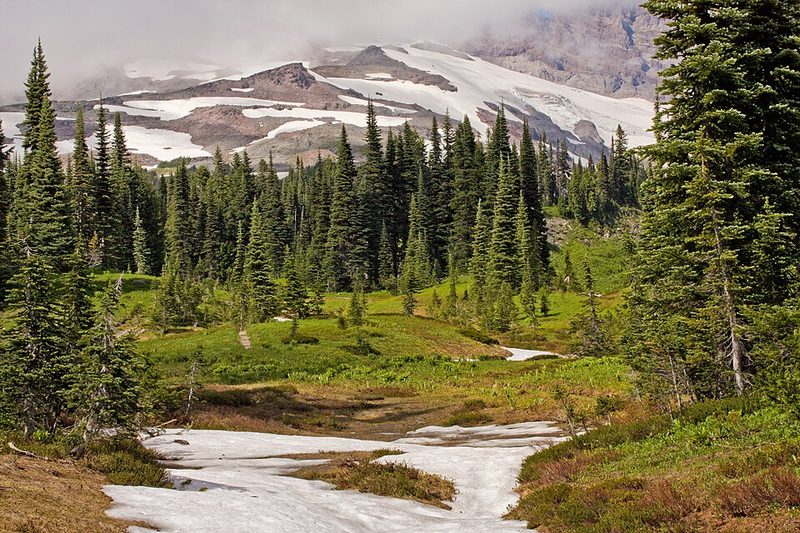
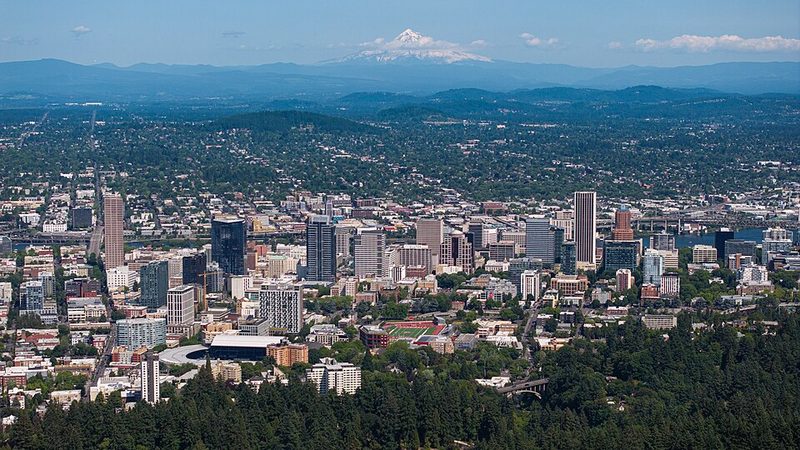
The city's defining characteristic is the integration of urban density with immediate access to nature. Mount Hood and Mount St. Helens are visible from many points within the city on clear days. Forest Park and Washington Park provide substantial green space within city limits, whilst extensive tree canopies and green roofs reflect documented commitments to environmental planning rather than marketing claims.
Arrival and Setting
Portland occupies low elevation near sea level in a river valley connecting the Cascade Range to the coast. The Willamette River runs through the city, crossed by multiple bridges that provide access to both sides of the urban area. The regional airport serves the metropolitan area, with rail and bus connections linking Portland to other Pacific Northwest cities.
The rivers remain visible throughout daily life—from bridges, parks and streets—shaping how residents move and how the city developed historically. This is a working river system, not merely scenic backdrop, with freight movement and maritime activity still present.
Historical Development
The settlement began in 1843 when William Overton and Asa Lovejoy filed a land claim on the west bank of the Willamette River. The name Portland was chosen by coin toss in 1845. Formal incorporation followed on 8 February 1851, and the city quickly became a commercial hub for the region's lumber and agricultural industries.
Portland's economy transitioned over the 20th century from resource extraction toward manufacturing, distribution and technology. This shift brought social and economic changes that the city continues to navigate. Historical injustices include the forced removal and incarceration of Japanese residents during the Second World War—a period now acknowledged in the city's historical record.
Economy and Daily Life
The modern economy centres on technology and manufacturing. Intel and Nike represent major regional employers, whilst Daimler Truck North America maintains its headquarters in the city. These companies employ thousands directly and support broader service and logistics networks throughout the metropolitan area.
Portland's cultural identity reflects its arts communities, active music and film scenes, and the craft brewing and distilling industries that characterise the Pacific Northwest. Powell's City of Books operates as both a visitor destination and genuine part of neighbourhood life—a cultural landmark that draws regular use from residents beyond its tourist appeal.
What Visitors Encounter
The Willamette River waterfront is accessible for walking and viewing, with multiple bridges crossing within the city. Forest Park and Washington Park provide substantial recreational space. Powell's bookstore, museums and galleries reflect the arts and intellectual communities that shape Portland's self-image.
Pacific Northwest rainfall is characteristic of the region, and Portland's weather reflects this pattern. Visitors should plan accordingly rather than expect consistent dry conditions. The city's commitment to sustainability appears in documented planning choices—green roof implementation, park system expansion and tree canopy preservation—rather than solely in promotional material.
Is Portland worth visiting?
Portland offers a combination of urban cultural amenities and immediate access to natural landscapes. The city serves as a base for excursions to Mount Hood and the Columbia River Gorge whilst maintaining its own identity through arts venues, Powell's City of Books, and craft beverage culture. Visitors interested in Pacific Northwest geography, environmental planning or independent cultural scenes will find substantive engagement here.
Where to stay in Portland?
The downtown core provides access to the waterfront and cultural venues, whilst neighbourhoods throughout the city offer varied character. Specific area recommendations depend on visitor priorities, but proximity to public transit and the Willamette River bridges improves access across the city. Current accommodation options and neighbourhood characteristics should be checked locally.
How many days do you need in Portland?
Two to three days allows time for the city's cultural landmarks, waterfront areas and parks, with additional days useful for excursions to Mount Hood or the Columbia River Gorge. The appropriate duration depends on whether visitors intend to explore only Portland proper or use the city as a base for broader Pacific Northwest travel.
Is Portland safe for visitors?
The United Kingdom Foreign, Commonwealth & Development Office advises normal precautions for travel to the United States. The US State Department issues no specific travel advisory restricting travel to Portland or Oregon. As with any major urban area, visitors should exercise standard awareness of surroundings and secure valuables. Check current official travel advice before departure.
Demographics and Recent Context
Portland's population has become increasingly diverse in recent decades, with substantial Asian, Black, Hispanic and immigrant communities alongside its historically dominant white population. This demographic change reflects in neighbourhood composition and ongoing civic conversations about equity in housing, employment and public life.
Getting Around
Movement within Portland relies on a combination of personal vehicles, public transit and walking. The public transport system provides access across the metropolitan area, though schedules and route details should be confirmed locally for current information. The city's bridge network facilitates movement between the east and west sides of the Willamette River.
Practical Perspective
Portland functions as a working city with a real economy and residential population beyond any tourism activity. The river position, documented environmental planning, and transition from resource extraction to technology and knowledge work define much of what makes the place distinctive. Understanding Portland as both a regional economic centre and cultural community shaped by specific geography and history provides better grounding than generic promotional descriptions.