


What San Diego is known for
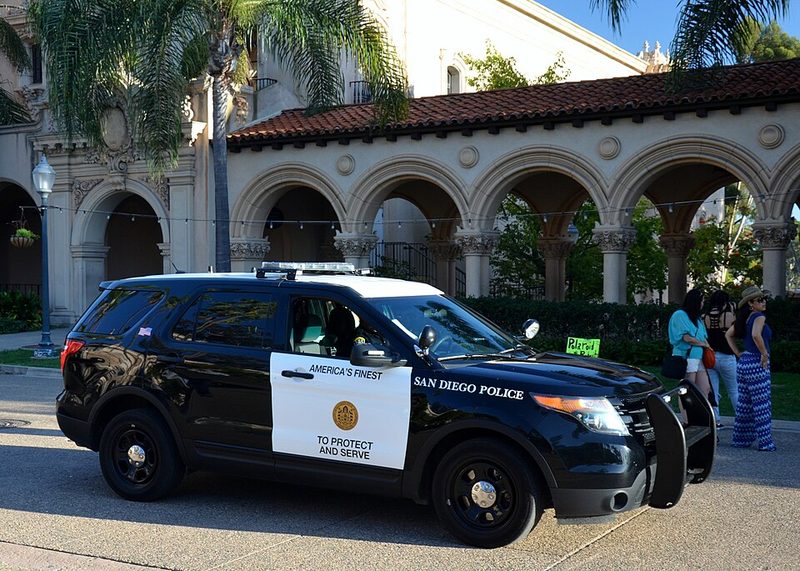
San Diego occupies Southern California's coast where the Pacific meets a landscape of cliffs, canyons and urban neighborhoods. With over 1.4 million residents, it ranks as California's second-largest city and the eighth in the United States, yet maintains a character distinct from the Los Angeles sprawl to the north. The natural harbor has shaped development since 1542, drawing Spanish colonists, the U.S. Navy, and now millions of annual visitors to a place that markets itself as "America's Finest City."
Geography and Climate
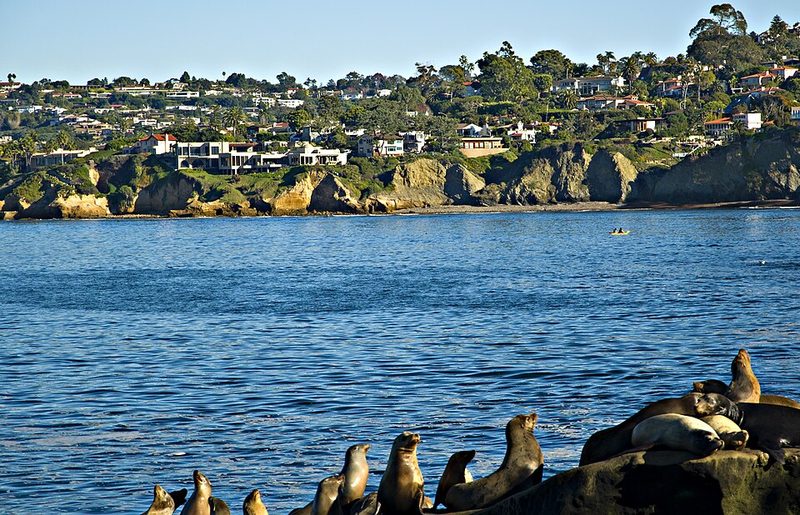
The city extends from coastal bluffs and ocean cliffs through mesas and urban neighborhoods toward inland valleys, canyons, and mountains reaching 6,000 feet. The terrain sits near sea level along the Pacific, creating distinct microclimates across short distances. Daytime temperatures average around 21°C (70°F) year-round, with annual rainfall under ten inches and consistently low humidity even in summer. The Mediterranean climate and extensive coastline support outdoor living as a defining feature—beaches and parks are integrated throughout rather than relegated to edges.
The landscape transitions quickly between zones: beachfront areas such as La Jolla, Pacific Beach, and Mission Beach line the coast, while neighborhoods like North Park and Hillcrest occupy inland mesas. Coronado sits on a peninsula across the bay from downtown. The Gaslamp Quarter preserves Victorian-era architecture in the urban core, and Balboa Park's 1,200 acres hold museums, gardens, and the San Diego Zoo.
Historical Development
Indigenous Kumeyaay people inhabited this region for 12,000 to 15,000 years before Portuguese explorer Juan RodrÃguez Cabrillo became the first European to reach the West Coast in 1542. Spanish colonization began in earnest in 1769 with the establishment of Mission San Diego de Alcalá—California's first mission and the founding site of Christianity on the West Coast. Spanish rule gave way to Mexican governance in 1821, which lasted until the Treaty of Guadalupe Hidalgo transferred the territory to the United States in 1848.
The city grew slowly through the 19th century. By the early 20th century, San Diego began its transformation into a major Pacific Coast city, earning the nickname "Gibraltar of the Pacific" due to expanding U.S. Navy installations. The natural harbor that had attracted early explorers became the strategic foundation for military presence that persists today. The defense sector remains a significant employer, while tourism, international trade through the port, and recent growth in biotechnology and wireless technology have diversified the economy.
Key Attractions and Neighborhoods
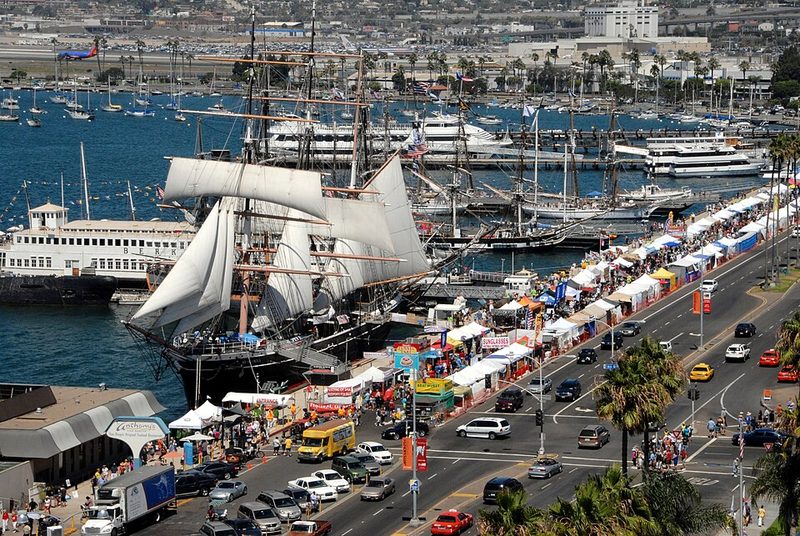
Balboa Park, established in the early 20th century, contains more than 15 museums, performing arts venues, hiking trails, and the San Diego Zoo. The park's Spanish Colonial Revival architecture dates to the 1915-1916 Panama-California Exposition. The USS Midway Museum, a decommissioned aircraft carrier moored on the downtown Embarcadero, opened to visitors in 2004 and operates daily from 10:00 to 17:00 with last admission at 16:00.
The Gaslamp Quarter downtown preserves 16½ blocks of Victorian-era buildings dating to the late 19th century. The district, once known as the Stingaree, now functions as San Diego's nightlife center with restaurants, craft cocktail lounges, rooftop bars, and live music venues. The New Children's Museum and Gaslamp Museum at the Davis-Horton House provide cultural context. Old Town San Diego State Historic Park recreates the Mexican and early American period from 1821 to 1872 with preserved adobe structures and period interpretations.
North Park has emerged as a center for San Diego's craft beer industry, often called the "Capital of Craft" within local brewing circles. The neighborhood developed over 100 years ago and transformed from a declining suburb into a destination for breweries, tasting rooms, and beer bars. Multiple production facilities deliver fresh beer from fermentation tanks to North Park taprooms weekly.
Beaches and Coastal Areas
La Jolla Shores Beach and Coronado Beach are known for calm waves suitable for swimming. Pacific Beach (PB) and Mission Beach attract younger crowds with boardwalks, bars along Garnet Avenue, and active beach culture. La Jolla offers snorkeling and surfing opportunities with wetsuit rentals available. The coastline stretches for miles with public access at multiple points, though individual beach characteristics vary significantly.
Coronado occupies a peninsula connected to the mainland by the Coronado Bridge and the Silver Strand isthmus. The town of approximately 24,800 residents maintains a quieter atmosphere than the mainland beach communities. The Hotel del Coronado, a Victorian-era beachfront resort, opened in 1888 and remains a prominent coastal landmark.
Education and Research
The University of California, San Diego (UCSD), established in 1960 in La Jolla, occupies 2,178 acres and functions as a major research institution. San Diego State University (SDSU), founded in 1897, is the city's oldest higher education institution and enrolled over 41,000 students in fall 2025. The University of San Diego, a private Catholic institution chartered in 1949, adds to the academic infrastructure that supports the region's biotechnology and life sciences sectors.
Cultural Character
Spanish colonial, Mexican, and American influences layer visibly in architecture, street names, and culinary traditions. Mexican food culture, particularly Baja-style fish tacos and carne asada, is deeply embedded in local dining. Asian neighborhoods and businesses concentrate along Convoy Street and in parts of National City rather than downtown. Little Italy, adjacent to downtown, offers Italian restaurants and specialty markets within walking distance of the waterfront.
The LGBTQIA+ community has an established presence, particularly in the Hillcrest neighborhood. San Diego Comic-Con, held annually since 1970 at the San Diego Convention Center, draws over 130,000 attendees each July. The Comic-Con Museum opened in Balboa Park to provide year-round exhibitions related to popular culture.
Getting There and Moving Around
San Diego International Airport serves the city with direct connections to major domestic and international destinations. The airport sits just northwest of downtown, approximately three miles from the city center. Interstate 5 runs through San Diego along the coast, connecting to Los Angeles 120 miles north and the Mexican border at Tijuana approximately 20 miles south. Interstate 8 provides east-west access toward desert regions and Arizona.
The Metropolitan Transit System operates bus routes and the San Diego Trolley light rail network, which includes lines serving downtown, the border crossing at San Ysidro, and connections to Mission Valley, Old Town, and SDSU. The trolley's Blue Line reaches the Tijuana border, while the Orange and Green Lines serve inland areas. Specific schedules, fares, and route details change seasonally—visitors should consult current MTS information. The city's geographic spread means personal vehicles or ride services are often practical for reaching coastal neighborhoods and inland attractions.
Practical Considerations
San Diego's spread from coast to mountains creates distinct neighborhoods with different characters and purposes. Downtown and Little Italy offer walkable urban density near the waterfront. Beach communities like Pacific Beach and La Jolla require separate travel from downtown hotels. North Park and nearby inland neighborhoods provide restaurant and nightlife options at generally lower costs than coastal areas.
Summer months (June through August) see the highest visitor numbers and hotel rates, particularly in coastal areas. Marine layer fog can cover beaches in the morning during late spring and early summer, typically clearing by midday. Winter months remain mild but bring occasional rain. The shoulder seasons of spring and fall offer good weather with fewer crowds.
Information on current museum hours, ticket prices, seasonal events, and accommodation specifics is best obtained from official local sources, as these details change frequently.