

What San Francisco is known for
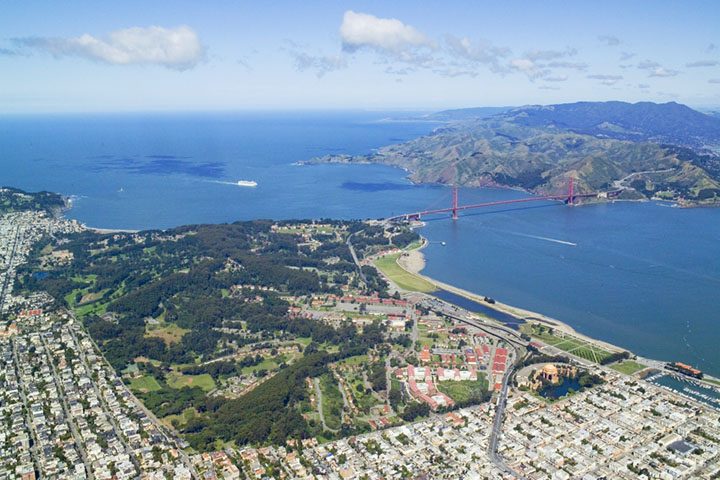
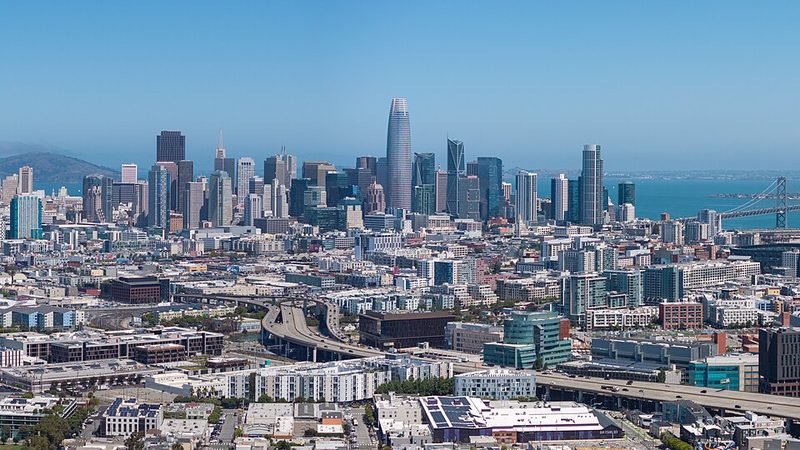
San Francisco occupies a narrow peninsula surrounded almost entirely by water. The geography is immediately apparent—steep hills rise from the waterfront, Victorian architecture catches light against dramatic angles, and fog rolls through the streets with predictable regularity. This is the financial and cultural centre of the western United States, a city shaped by earthquakes, gold rushes, and social revolutions that made it synonymous with cultural experimentation.
Arrival and Setting
The topography is extreme. Streets climb steeply from the bay; walking between neighbourhoods is genuinely athletic. The city sits at only 28 metres above sea level in the flattest areas, but sharp ridges create dramatic elevation changes. Wind is constant, especially in the afternoon. The climate remains cooler than most visitors expect, even in summer—layers are essential.
The bay dominates everything. It shapes the weather, creates the fog, and remains visible from most high points. The Golden Gate Bridge spans the strait at the peninsula's northern tip, connecting the city to Marin County. The visual effect is theatrical: tall buildings appear and disappear as you crest hills, and the city's compact geography means water is rarely far from view.
Historical Development
Spanish settlement began in 1769, though indigenous Ohlone peoples lived here long before European contact. The territory became Mexican in 1821, then American in 1848—the same year gold was discovered in the Sierra Nevada. The Gold Rush transformed San Francisco overnight from a small outpost into a chaotic, wealthy port city. The 1906 earthquake and fire devastated much of the urban centre, killing thousands. Reconstruction followed rapidly; the city hosted the Panama-Pacific Exposition in 1915 as a demonstration of recovery.
The twentieth century solidified San Francisco's cultural identity. The 1960s Summer of Love and counterculture movement made the city synonymous with social experimentation and artistic freedom. The Castro District emerged as a centre of LGBTQ culture and political activism, particularly during the 1970s when Harvey Milk became one of the first openly gay elected officials in the United States. The technology boom from the 1980s onwards brought Silicon Valley money and workers into the city. San Francisco now ranks first among major U.S. cities by per capita income, though this wealth has created visible contrasts.
Economy and Contemporary Life
The technology sector dominates the local economy, drawing engineers, entrepreneurs, and venture capital. Finance and banking remain significant. Tourism and conventions generate substantial revenue—millions of visitors arrive annually for the Golden Gate Bridge, Alcatraz Island, and the city's cultural institutions. The University of California, San Francisco operates as a major research institution focused on health science and life sciences.
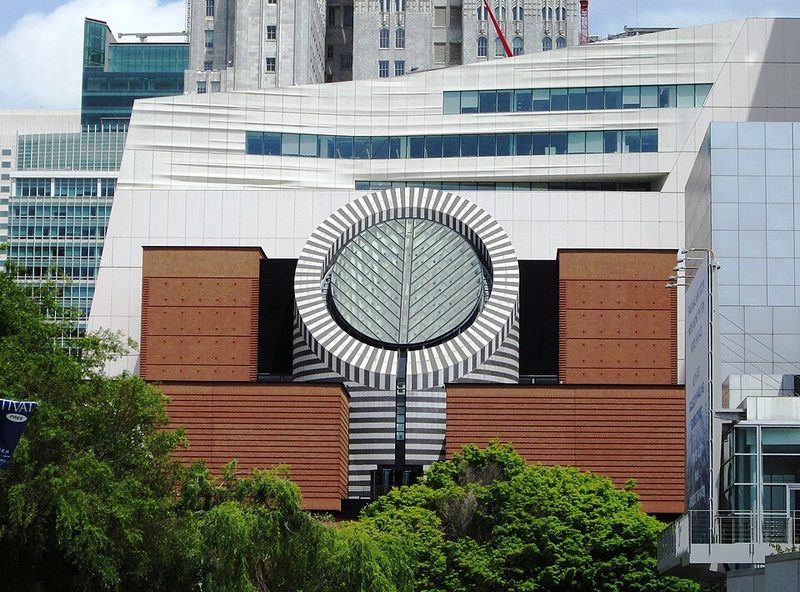
The arts thrive here. San Francisco maintains one of the highest concentrations of artists and arts organisations per capita in the United States. SFMOMA, the Legion of Honor, the Asian Art Museum, the De Young Museum, the California Academy of Sciences, and the Exploratorium anchor the museum landscape. Grassroots creative communities, galleries, and performance venues operate throughout the city.
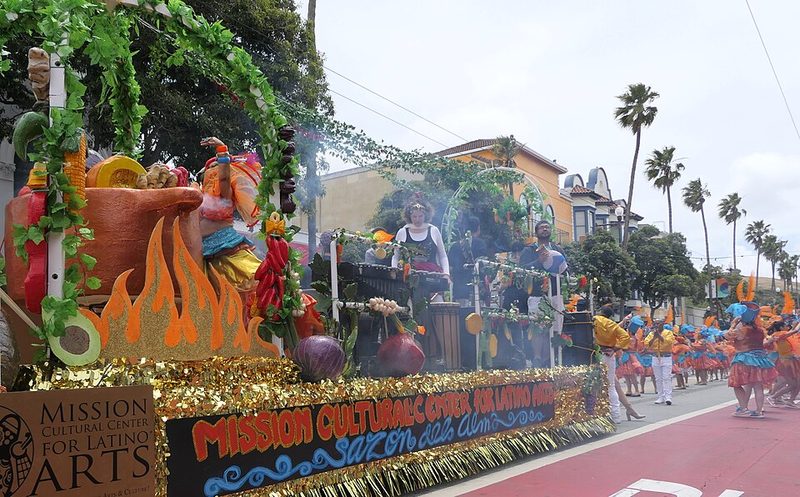
Neighbourhoods maintain distinct identities. Chinatown, Japantown, North Beach (historically Italian), the Mission District (historically Latino), and the Castro (centre of LGBTQ culture) all function as communities with their own institutions, businesses, and social networks. These aren't purely aesthetic distinctions—they reflect lived cultural diversity.
What Visitors Encounter
The Golden Gate Bridge and Alcatraz Island are the iconic attractions. Alcatraz, located one-and-a-half miles from Fisherman's Wharf, offers tours of the former federal prison's cell house where visitors can see how prisoners lived. The cellhouse audio tour includes narration from past prisoners and guards. Fisherman's Wharf remains a busy waterfront area, though heavily tourist-oriented.
The San Francisco Maritime National Historical Park houses historic vessels, a maritime museum, and exhibits along the waterfront. Fort Point, a masonry fortification dating from the Civil War era, sits at the southern foot of the Golden Gate Bridge in a geographically significant location. Chinatown operates as both a functioning neighbourhood and visitor destination. Union Square serves as the commercial shopping district.
Cable cars remain operational and are attractions in themselves. The Cable Car Museum, established in 1974, displays the machinery that powers the three active lines: Powell-Mason, Powell-Hyde, and California Street. The museum operates in the same building as the working cable car engine room, where visitors can observe the massive winding wheels that drive each line's cable.
Transport Within the City
Public transport is extensive. Muni Metro, the light rail system, moves over 100,000 passengers daily and operates as the fifth-busiest light rail network in the United States. The trolleybus system, opened in 1935, runs 15 lines and carries roughly 145,000 passengers on weekdays. Cable cars function both as transport and tourist experiences. The city's compact geography makes many neighbourhoods accessible on foot, though the steep terrain makes distances deceptive.
Is San Francisco Worth Visiting?
San Francisco offers a genuine urban experience shaped by dramatic geography and cultural history. The Golden Gate Bridge, Alcatraz, and the city's neighbourhoods provide tangible substance beyond typical tourist attractions. The density of museums, cultural institutions, and historic sites supports extended visits. The city's role in twentieth-century American cultural movements—the Beat Generation in the 1950s, the counterculture of the 1960s, LGBTQ rights in the 1970s, and the technology boom from the 1980s onwards—remains visible in specific neighbourhoods and institutions. Visitors interested in American urban culture, social history, or dramatic coastal geography will find the city worthwhile. The cost is high, and the challenges of homelessness and street conditions are visible, but the city's substance justifies attention.
Where to Stay in San Francisco
Union Square provides central access to public transport and shopping, though it is tourist-oriented and expensive. North Beach (the historically Italian neighbourhood) and the Marina District offer neighbourhood character with access to waterfront areas. The Mission District provides a more residential feel with local restaurants and bars, though some areas have higher street crime. The Castro offers proximity to LGBTQ cultural sites and neighbourhood life. Fisherman's Wharf is convenient for Alcatraz and waterfront attractions but heavily tourist-focused. Visitors should check current conditions for specific streets and areas, as neighbourhood safety and character vary within districts. Public transport access should factor into accommodation decisions given the city's hills.
How Many Days Do You Need in San Francisco?
Three to four days allows time for the Golden Gate Bridge, Alcatraz (which requires advance booking), cable car rides, and exploration of two or three distinct neighbourhoods such as Chinatown, North Beach, the Castro, or the Mission. A full day trip to Alcatraz including transport and the audio tour takes most of a day. The concentration of museums in Golden Gate Park (De Young Museum, California Academy of Sciences) could occupy another full day. Visitors interested in the city's literary history (City Lights Bookstore, Beat Generation sites) or specific cultural neighbourhoods may want additional time. Two days is possible but rushed; five to six days allows for a more thorough exploration and day trips to nearby areas such as Marin County or Berkeley.
Is San Francisco Safe for Visitors?
The United States has no countrywide travel restrictions, and standard travel precautions apply. San Francisco faces documented challenges with property crime, homelessness, and visible street disorder in certain areas, particularly the Tenderloin neighbourhood and parts of the South of Market district. Violent crime targeting tourists is less common than property crime such as car break-ins and theft. The city's public transport is generally safe during daytime hours, though vigilance is advisable. Visitors should check current UK Foreign, Commonwealth & Development Office advice or U.S. State Department guidance for any updates. Local advice on specific neighbourhoods and current conditions should inform accommodation and route planning decisions.
Practical Considerations
The city operates on Pacific Time. Accommodation, food, and transport costs are higher than in many other American cities, and budgeting should account for this. Multi-attraction passes and public transport passes are available. Alcatraz tours book well in advance, particularly during summer months. Layers of clothing are essential regardless of season—the fog and wind create microclimates across the city. Credit cards are widely accepted. Tipping is standard in restaurants and bars at 15-20 per cent.