Image: Wikipedia / Wikimedia Commons
Image: Wikipedia / Wikimedia Commons
# Santo Domingo, Dominican Republic: A Capital City of Caribbean Significance
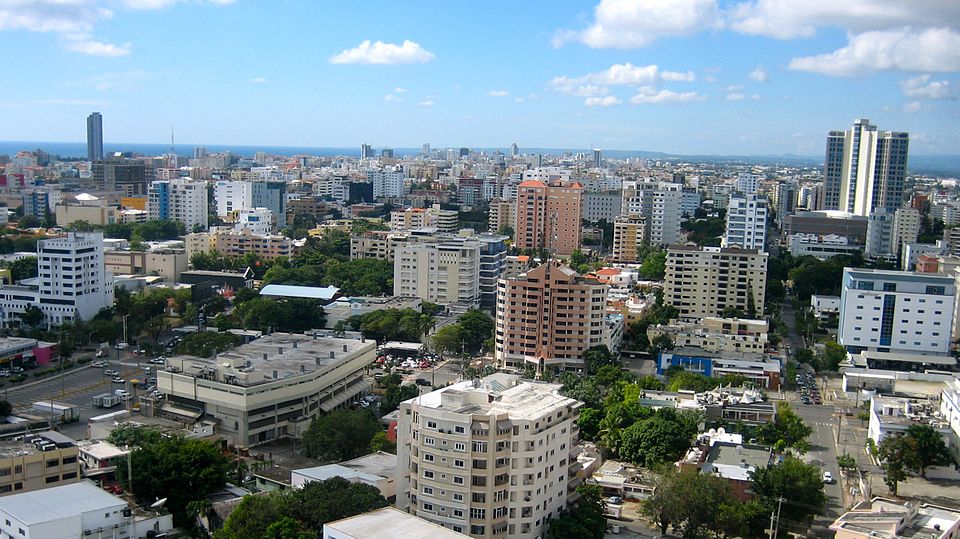
Santo Domingo stands as the capital and largest city of the Dominican Republic, a vibrant metropolitan center that pulses with Caribbean energy while maintaining deep historical roots. As the largest city in the Caribbean by population, Santo Domingo represents centuries of cultural layering, colonial architecture, and modern urban development compressed into a dynamic urban landscape. For visitors and residents alike, the city offers a compelling blend of Old World charm and contemporary Caribbean life.
Santo Domingo occupies a strategic position on the southern coast of Hispaniola, situated at coordinates 18.47186 North, 69.89232 West, just 24 meters above sea level. The city benefits from its waterfront location along the Caribbean Sea, with the Ozama River forming a natural boundary that has historically defined the city's development. The flat, low-lying terrain characteristic of coastal Dominican geography means that the city experiences a tropical climate without significant elevation changes, making it accessible and navigable for residents and visitors alike.
The metropolitan area extends well beyond the city center, with the Distrito Nacional serving as the administrative heart of the country. Greater Santo Domingo has grown into a sprawling urban region encompassing multiple municipalities, creating one of the Caribbean's most significant population centers. The city occupies the America/Santo_Domingo timezone and currently hosts a metropolitan population exceeding four million people, though the city proper contains just over one million residents within its central boundaries.
Santo Domingo, formerly known as Santo Domingo de Guzmán, carries the weight of being one of the New World's oldest European settlements. The city's historic core preserves architectural remnants from the colonial period, including structures that reflect Spanish colonial design and urban planning principles. This historical dimension gives Santo Domingo a character distinct from many other Caribbean capitals, as visitors can walk through neighborhoods where centuries of history remain physically present in the built environment.
The city's historical significance extends beyond its architecture into its role as a cultural and political center for the Dominican Republic. As the capital, Santo Domingo has served as the seat of government and the epicenter of Dominican cultural life, influencing the nation's development across centuries. The layering of colonial heritage with modern urban expansion creates an interesting dynamic where old and new coexist, sometimes in tension, sometimes in harmony.
The character of Santo Domingo emerges most clearly when exploring its diverse neighborhoods and waterfront areas. The city's relationship with the Caribbean Sea provides recreational opportunities, and the Ozama River creates a natural feature that has shaped settlement patterns and continues to influence daily life. The contrast between the historic districts and modern commercial areas illustrates how cities evolve while attempting to preserve their heritage.
Santo Domingo's cultural landscape reflects Dominican traditions, music, and artistic expression. The city serves as a hub for Caribbean culture more broadly, hosting institutions, galleries, and public spaces where Dominican identity finds expression. The urban environment itself—from street life to architectural styles to the rhythm of daily activity—provides insight into contemporary Caribbean urban culture. Those interested in understanding Dominican life will find the everyday experience of moving through the city as informative as any designated attraction.
Santo Domingo is accessible via Las Américas International Airport, one of the Caribbean's major aviation hubs, located on the outskirts of the metropolitan area. The city benefits from its position as a national transportation center, with road networks connecting it to other Dominican regions. Within the city itself, transportation includes public buses, informal transit options, and an expanding metro system that has transformed mobility for many residents. Taxis and ride-sharing services operate throughout the metropolitan area, offering alternatives for those unfamiliar with local transit patterns.
For the approximately 2.2 million people living within Santo Domingo's boundaries, the city functions as the economic and administrative heart of the Dominican Republic. The city generates significant economic activity through government operations, commerce, tourism, and services. For residents, Santo Domingo means access to employment, education, and cultural institutions unavailable in smaller Dominican communities, drawing continuous migration from rural and provincial areas. The energy of the city reflects this constant movement—people arriving in search of opportunity, others managing the challenges and possibilities that come with urban life in a developing Caribbean nation.
Santo Domingo's city center maintains a population of just over one million residents, while the greater metropolitan area has grown to encompass more than four million people, making it a major Caribbean demographic center. The city's elevation of 24 meters above sea level and location in the America/Santo_Domingo timezone reflect its tropical Caribbean position. Those planning to visit or relocate should note that the city's flat terrain and warm, humid climate require preparation for tropical conditions. As the nation's capital and largest city, Santo Domingo offers comprehensive services and facilities, though infrastructure challenges exist in some areas. The city's significance as the Dominican Republic's primary urban center means resources tend to concentrate here, making it the logical base for those conducting business or spending extended time in the country.
View larger map — © OpenStreetMap contributors
Flight delayed or cancelled?
You could be owed up to €600 compensation. Check your eligibility for free.Do you know Santo Domingo, Nacional?
Share local tips, recommend a hotel, list a business or add a photo.
✏️ Share your knowledge about Santo Domingo, NacionalDo you know Santo Domingo, Nacional?
Share local tips, recommend a hotel, list a business or add a photo.
✏️ Share your knowledge about Santo Domingo, Nacional