

What Seongnam is known for
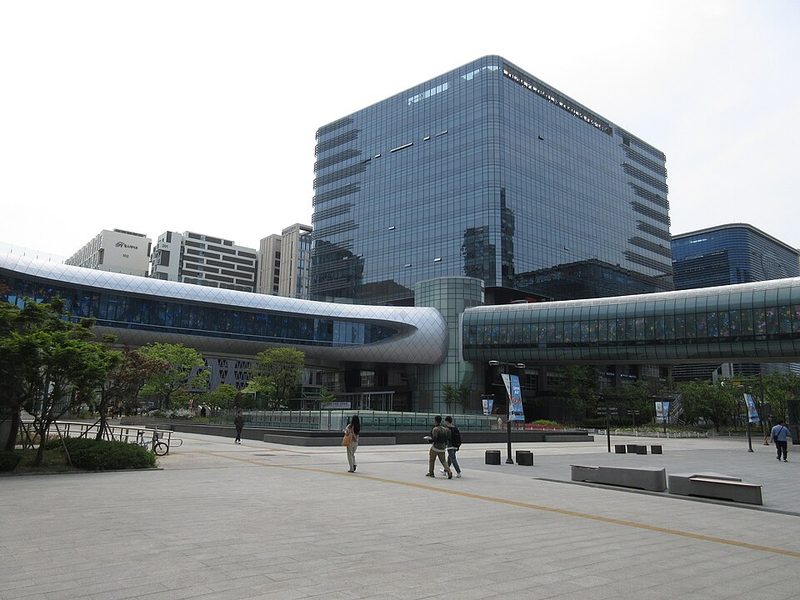
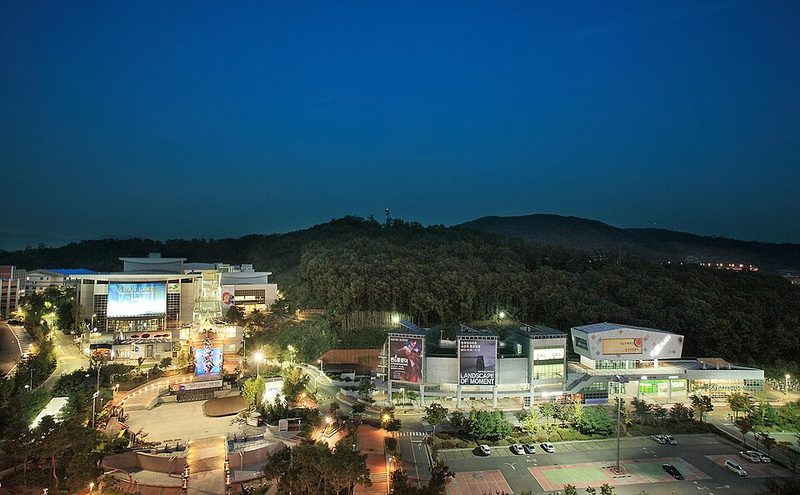
Seongnam, with a population approaching one million, serves as South Korea's fourth-largest city and sits immediately southeast of Seoul in Gyeonggi Province. The city's character reflects deliberate planning across five decades: industrial zones from the 1970s, the corporate district of Bundang developed in the 1990s, and Pangyo Techno Valley, home to major technology firms including NAVER, NEXON, and NC Soft.
Arrival and Orientation
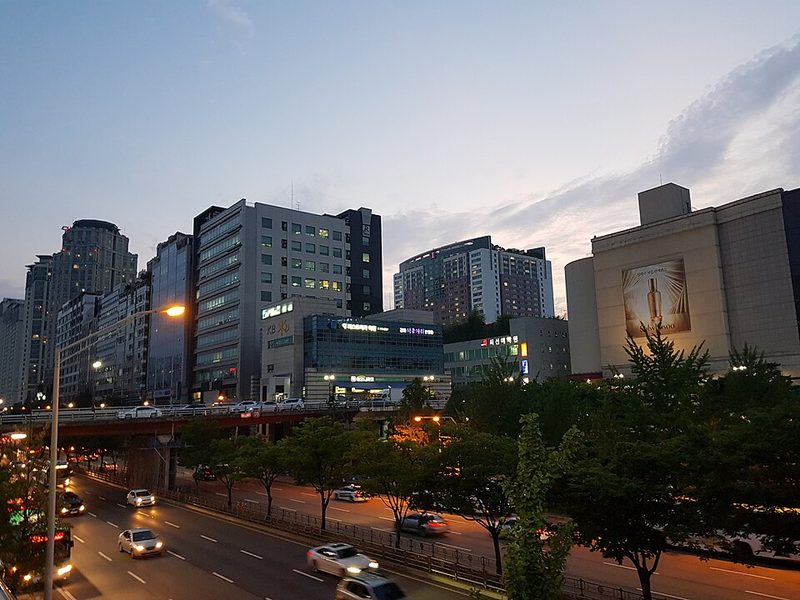
The city divides into three administrative districts. Bundang, in the southern portion, houses corporate campuses, residential towers, and shopping areas around Seohyeon and Pangyo stations. Jungwon contains the original industrial zones and city hall. Sujeong occupies the territory between these two development eras. The Tancheon river flows north to south through the city centre, forming a continuous park corridor with separate paths for cyclists and pedestrians on both banks.
Seongnam connects to Seoul via metro lines, with journey times of 30-40 minutes to central Seoul from Bundang stations. The road network follows the grid established during the city's planned development phases.
Planning and Development
Seongnam originated from a 1973 government strategy to distribute industrial capacity beyond Seoul. The state designated the area for electronics, textiles, and petrochemical production as part of a national dispersal programme. The city that emerged from this blueprint grew rapidly but remained fundamentally shaped by top-down planning rather than organic expansion.
A second transformation occurred in the 1990s when Bundang district was developed explicitly to relieve Seoul's population pressure. Corporations received government incentives to relocate headquarters there. Korea Telecom (KT) established significant operations during this period. By the 2000s, Pangyo Techno Valley emerged as a cluster for IT companies and game developers, contributing to South Korea's position in the global gaming industry.
What Seongnam Offers Visitors
The city functions primarily as a working metropolitan area rather than a tourist destination. Most visitors come for business at the corporate campuses or use Seongnam as a base for exploring the wider Seoul region with lower accommodation costs than central Seoul.
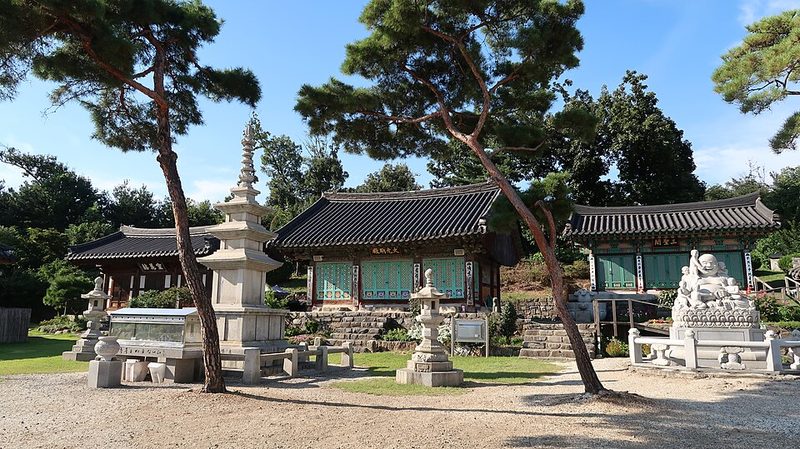
Namhansanseong, a UNESCO World Heritage fortress located on the city's eastern edge, provides the strongest visitor draw. The fortress dates to the Joseon period and offers hiking trails and historical architecture with views across the surrounding plain.
The Tancheon river corridor accommodates walking and cycling, with public bicycle rental stands available. The path extends from Gangnam in northern Seoul down through Seongnam, forming a continuous green route through otherwise dense urban development.
Four ecology centres—Sujin Wetland, Pangyogyeongji, Taepyong Wetland, and Mangsan—operate along waterways and wetlands, offering environmental education programmes. Shingu University's Botanical Garden includes an insect ecology museum.
Where to Stay
Bundang offers the most developed accommodation infrastructure, particularly around Seohyeon and Pangyo stations where business hotels serve corporate visitors. Prices typically run lower than equivalent Seoul hotels whilst maintaining metro access to central Seoul. The area around Pangyo Station provides restaurant variety and some evening activity. Older neighbourhoods in Sujeong and Jungwon districts offer fewer international-standard hotels.
Daily Rhythms
Seongnam operates on a workday schedule driven by its corporate and technology employers. Bundang's commercial districts activate during lunch hours and early evenings. Seohyeon Station area contains the most concentrated nightlife, though activity remains modest compared to Seoul's entertainment districts. Sunae Station area offers quieter restaurant options.
Weekend activity concentrates along the Tancheon path and in parks. Bundang Central Park and Yuldong Park draw local families. The city lacks the volume of weekend cultural events or markets found in larger Korean cities.
Practical Considerations
English-language information about Seongnam remains limited compared to Seoul. Signage in Bundang generally includes English, whilst older districts rely primarily on Korean. Most international visitors use Seongnam as a commuting base for Seoul exploration rather than a destination in itself.
The UK Foreign Office and US State Department apply normal travel precautions to South Korea with no specific restrictions for Seongnam or Gyeonggi Province. Visitors should check current official travel advice before departure.
Worth Visiting?
Seongnam suits specific traveller profiles: those seeking lower-cost accommodation whilst maintaining Seoul access via metro, business visitors to the technology campuses, or travellers interested in planned city development and contemporary Korean urbanism. The city offers limited appeal as a standalone destination. Namhansanseong fortress justifies a dedicated visit but can be reached as easily from Seoul. For general tourism, Seoul itself provides substantially more attractions, though Bundang's clean, modern environment and relative affordability appeal to some longer-term visitors.