

What Sheffield is known for
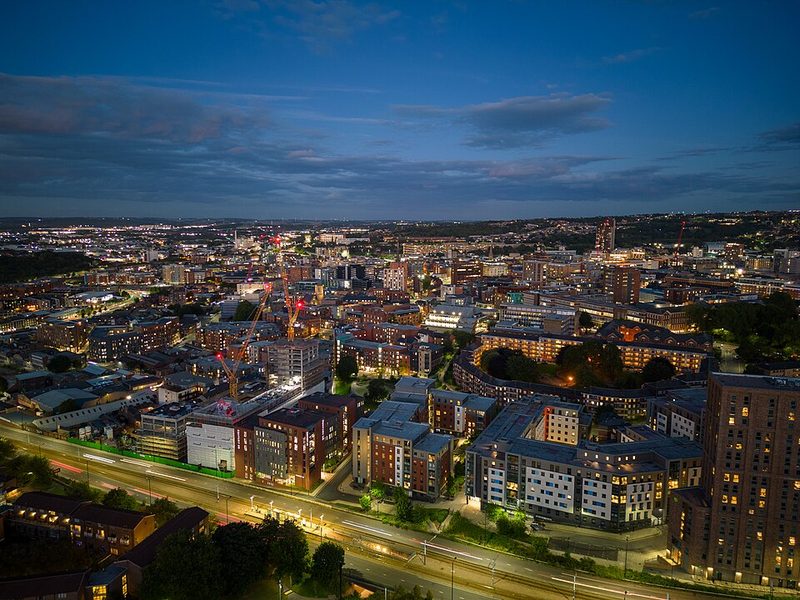
Sheffield spreads across rolling hills in South Yorkshire, 29 miles south of Leeds and 32 miles east of Manchester. Two rivers—the Don and the Sheaf—carved the landscape that powered Britain's steel industry for two centuries. The city now balances that industrial heritage with universities, research and creative culture, whilst half a million residents live among more parks and wooded areas than visitors expect from a former manufacturing centre.
The topography shapes daily life. Streets rise and fall across hills at a modest elevation. The River Sheaf runs mostly underground now, channelled beneath the city during Victorian expansion, but the Don remains visible in places. The Peak District National Park sits on the western doorstep, accessible by hourly bus from the city centre.
Medieval Origins and Industrial Growth
Norman lord William de Lovetot founded Sheffield in the early 12th century, building a castle with moat and river defences where Castle Market now operates. The settlement numbered only a few hundred people through medieval times, most dividing their time between farming and wool weaving. The castle burned during a rebel uprising in 1266, was rebuilt four years later, and its footprint remains central to the city's historical geography. The church site evolved into Sheffield Cathedral.
Water power proved crucial as the city grew. Workers diverted the Kelham Goyt to power mills and forges from the Middle Ages onward, creating Kelham Island in the process—a man-made island over 900 years old that now houses the city's industrial museum. By the 18th and 19th centuries, Sheffield's combination of local iron ore, coal deposits and fast-flowing water made it ideal for metallurgy and steel-making. The city developed an international reputation for quality metalwork. Population expanded from roughly 61,000 in 1801 to a peak of over 577,000 in 1951 as factories and foundries drew workers and investment.
One surviving feature from that industrial era is the Megatron, a Victorian underground tunnel system built to service the industrial city above. It now harbours bats and occasionally opens for public tours, offering a tangible glimpse of Sheffield's engineered past.
Museums and Industrial Heritage
The city's industrial past remains visible in museums and heritage sites. Kelham Island Museum, located on the man-made island alongside the River Don, celebrates 300 years of Sheffield's manufacturing history. The museum houses the River Don Engine, a 12,000-horsepower steam engine described as the most powerful working steam engine in Europe. Exhibits include the Ken Hawley tool collection relating to Sheffield's cutlery and silversmithing industries, a recreated 1916 terraced house, and displays documenting the transition from master craftsmen to mass production.
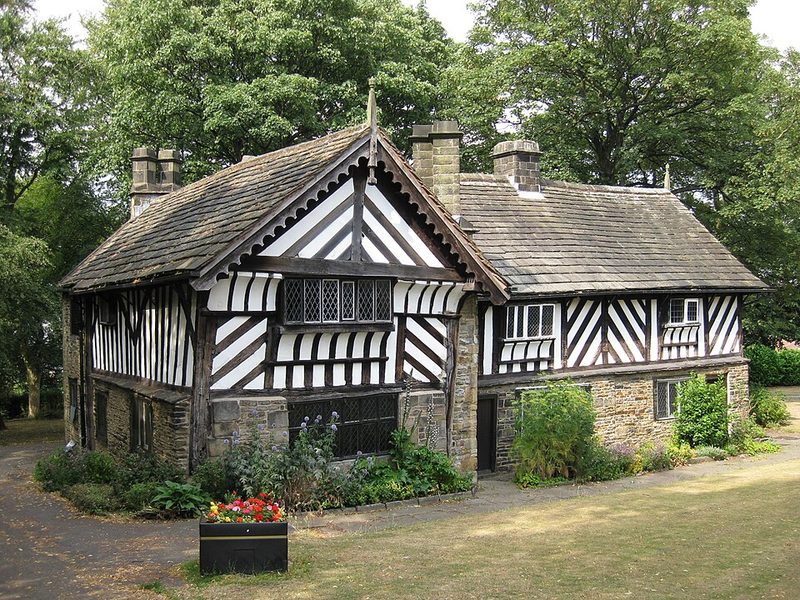
Abbeydale Industrial Hamlet, an 18th-century industrial works and Scheduled Ancient Monument, comprises Grade I and Grade II listed buildings. Other museums operated by Sheffield Museums Trust include Weston Park Museum, Millennium Gallery, Graves Gallery, and Shepherd Wheel. The museums document both industrial heritage and contemporary art, with exhibitions examining the connections people have made to the land through hundreds of objects from Sheffield's collections.
Universities and Contemporary Culture
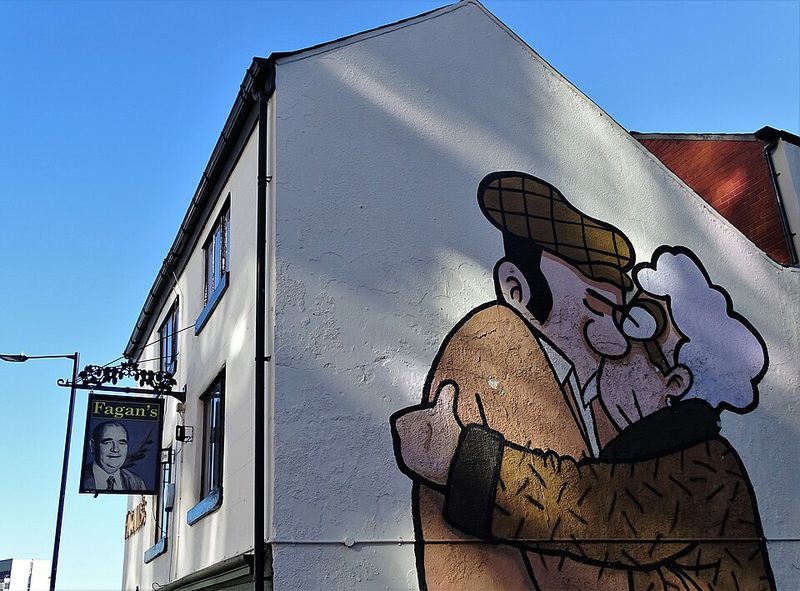
Two universities anchor significant academic presence. The University of Sheffield and Sheffield Hallam University bring students and research activity across multiple campuses. Sheffield Hallam's City Campus sits near the railway station in the centre, whilst its Collegiate Crescent Campus lies southwest of the centre. The universities contribute to a cultural life that includes theatre venues, music venues and street art throughout the city.
The Grey to Green project encompasses areas around the Don and Sheaf rivers, where medieval heritage, industrial archaeology, music hall traditions and brewing history cluster together—a physical reminder of how the rivers and human enterprise intertwined.
Events and Festivals
Sheffield hosts festivals and events throughout the year. Tramlines, the city's large music festival, returns to Hillsborough Park each July. Sheffield Beer Week includes events such as the Indie Beer Feast, a two-day independent craft beer festival held at Trafalgar Warehouse in the city centre. The Abbeydale Road Beer Festival runs for four days across multiple bars. Family-friendly events celebrate international food, live music, arts and outdoor activities.
Green Spaces and the Peak District
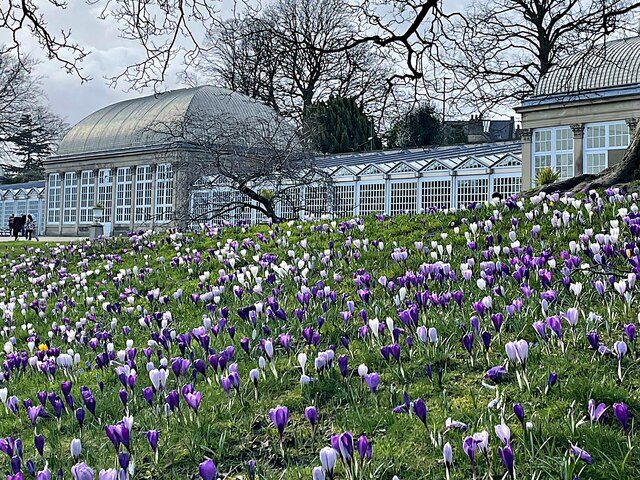
Parks punctuate the urban landscape. Graves Park, Endcliffe Park and the Sheffield Round Walk offer outdoor recreation within city limits. The Peak District National Park begins at Sheffield's western edge, making the city a gateway for hiking, cycling and climbing. High Peak Buses run hourly service from Sheffield city centre to Peak District villages including Castleton, stopping at Fox House (access to Padley Gorge) and Hathersage (below Stanage Edge). Transport connections make day trips to locations such as Chatsworth House accessible by public bus.
Recent History and Resilience
Sheffield experienced significant flooding in 1864 and again in 2007. The 2007 flood prompted infrastructure upgrades. Modern flood defences and rain gardens now protect the city as climate conditions shift. The steel and metalwork industries that defined Sheffield for two centuries have transformed. Modern Sheffield balances heritage with reinvention: leisure, retail, tourism and a growing technology sector sit alongside academic research and remaining manufacturing.
Getting There and Moving Around
Sheffield railway station serves as a major transport hub with rail connections to Leeds, Manchester and other cities. Bus services operate within the city and to surrounding areas. The city's hilly topography means walking involves navigating slopes. Specific train operators, bus routes and schedules should be confirmed locally before travel, as services change.
Practical Considerations
The United Kingdom maintains standard travel advisory status with no specific warnings for Sheffield or South Yorkshire. Visitors should follow normal precautions and check the UK Foreign, Commonwealth and Development Office website for any updates before travel. Sheffield's size and transport connections mean accommodation, food and services are available, though availability varies by season. Local tourism information and visitor services can provide current guidance on attractions and activities.
Tramlines Festival
Tramlines Festival transforms Hillsborough Park each July, drawing 40,000 music fans to Sheffield for three days of performances across multiple stages. What began in 2009 as a free multi-venue city takeover has evolved into one of the UK's major outdoor festivals, moving to its current Hillsborough Park home in 2018.
The 2026 edition (24–26 July) features headliners including Fatboy Slim, Courteeners, Wolf Alice and Kaiser Chiefs, alongside strong representation of Sheffield and Yorkshire talent. The festival programmes diverse genres—rock, indie, electronic, hip-hop and pop—plus dedicated comedy stages. Hillsborough Park sits three miles northwest of Sheffield city centre and is accessible via the Supertram Blue line.
Tickets are sold through the festival website, with early bird allocations typically selling out months ahead. The urban park setting means most attendees stay in Sheffield accommodation rather than camping on-site. Current line-up details, accessibility information and transport advice are published on the official Tramlines website each year.
Read the full Tramlines Festival guide
Sources: Tramlines Festival - Wikipedia • Tramlines Festival Official Site • Tramlines Music Festival - Welcome to Sheffield
Women of Steel Memorial and Social History
The Women of Steel memorial, unveiled in June 2016, commemorates thousands of Sheffield women who worked in steel and munitions factories during both world wars. The bronze sculpture by Martin Jennings depicts two women arm-in-arm wearing factory work clothes, positioned at street level in Sheffield city centre where visitors can stand alongside the figures.
These women stepped into heavy industrial roles when men left for military service, operating furnaces and forging munitions in dangerous conditions with minimal safety equipment. Their contributions went largely unrecognised for decades until surviving workers—many in their nineties—successfully campaigned for a permanent memorial. The unveiling drew emotional crowds of elderly Women of Steel workers and their families, ending a seven-decade wait for formal acknowledgement.
The memorial is accessible at any time in Sheffield city centre, with no admission charge. Kelham Island Museum maintains related exhibits including film testimonies and wartime equipment, open Tuesday to Saturday 10am–4pm and Sunday 11am–4pm (visitors should confirm current hours locally).
Sources: Women of Steel - Wikipedia • Kelham Island Museum - Our Favourite Places • The Moving Story of Sheffield's Women of Steel - Yorkshire Post
Kelham Island Museum and Sheffield's Industrial Heritage
Kelham Island Museum sits on one of Sheffield's oldest industrial sites, documenting 300 years of making and manufacturing in a city that defined British metalwork. Opened in 1982, the museum occupies buildings on Kelham Island itself—a man-made island created in the 12th century when workers diverted a stream to power a nearby mill. The site connects Sheffield's medieval water engineering to its 19th-century industrial peak, with the massive River Don Engine serving as the museum's centrepiece.
Sources: Kelham Island Museum - Sheffield Museums • Kelham Island Museum - Wikipedia • Kelham Island Museum - Welcome to Sheffield
Sheffield's Green Spaces and the Sheffield Round Walk
Sheffield's reputation as one of England's greenest cities rests on an extensive network of parks, woodlands and nature reserves that punctuate its urban areas. The Sheffield Round Walk—a 15-mile circuit linking these green spaces—demonstrates the city's unusual topography, where steep valleys, rivers and woodland corridors create a landscape more varied than the industrial stereotype suggests. Over half of Sheffield's total area falls within Peak District National Park boundaries, giving the city direct access to upland moorland and making it a practical base for outdoor activities.
Sources: Sheffield Round Walk - Welcome to Sheffield • Walking in Sheffield - Sheffield City Council • Sheffield Round Walk - LDWA Long Distance Paths
Peak District Access from Sheffield
Sheffield sits on the eastern edge of Peak District National Park, making it the primary urban gateway for visitors arriving by public transport from the east and a practical base for exploring the Dark Peak uplands and Hope Valley villages. The city's position means Peak District moorland, walking routes and climbing areas lie within a short bus or train journey, with hourly services connecting Sheffield to popular destinations such as Castleton, Hathersage and Edale.
Sources: Explore Hope Valley from Sheffield by Bus - Visit Peak District