Official Travel Advisory and Current Safety Context
The United Kingdom Foreign, Commonwealth & Development Office (FCDO) advises against all travel to the Union Territory of Jammu and Kashmir, including Srinagar. This advisory applies except for air travel to and from Jammu city. The United States State Department currently maintains a Level 2: Exercise Increased Caution advisory for India generally, though the specific situation in Kashmir requires attention to regional restrictions.
The FCDO's restriction reflects security concerns related to terrorism risk and armed conflict. On 22 April 2025, a terrorist attack occurred in Pahalgam in Jammu and Kashmir, resulting in 26 civilian deaths. In response, India conducted military operations designated Operation Sindoor on 7 May 2025, involving missile strikes on Pakistan. India has attributed ongoing cross-border security threats to Pakistan-supported activities, while Pakistan has denied involvement in supporting terrorism. The region remains subject to active military and security operations.
Srinagar itself is explicitly named in the FCDO advisory as an area subject to the all-travel restriction. Curfews, security checkpoints, and movement restrictions have been imposed. Terrorist attacks and armed clashes have occurred in the Kashmir Valley. The Wagah-Attari border crossing with Pakistan remains closed. Persons in the territory may face sudden restrictions on movement, interruption of telecommunications, or armed operations. The advisory status reflects that the security environment is not stable and that civilian presence cannot be assured safe passage.
Recent Conflict and Risk Background
The Kashmir region has experienced periods of armed conflict and political tension between India and Pakistan since independence. The most recent escalation occurred following the Pahalgam attack in April 2025. The Indian government's subsequent military response in May 2025 marked a direct engagement between the two nations' armed forces. While no comprehensive account of the conflict's ongoing course is available in standard reference sources, official statements from both governments confirm military activity and ongoing security operations in the region.
The territory of Jammu and Kashmir has been subject to counter-terrorism operations and security cordons. Civilians have been affected by movement restrictions, curfews, and incidents of armed violence. Information on the civilian casualty toll, displacement, or humanitarian conditions in Srinagar specifically is limited in publicly available sources, but the scale of military engagement suggests significant local disruption.
Historical Context
Srinagar has a recorded history of approximately 2,000 years. The city is traditionally said to have been founded by King Pravarsena II of the Vakataka dynasty, though some accounts credit the Buddhist emperor Ashoka with its establishment. The city's name derives from Sanskrit, meaning "City of Sun" or "City of Shri."
Throughout its history, Srinagar has passed under successive periods of rule, including the Kashmir Sultanate, Mughal Empire, Afghan dynasties, the Sikh Empire, and the Dogra kingdom. The city itself was a seat of cultural and political significance in the Kashmir region during many of these periods. The broader region experienced conquest and administration by multiple powers, reflecting the strategic and cultural importance of the Kashmir Valley.
Following Indian independence and partition in 1947, Srinagar became part of Indian-administered Jammu and Kashmir, first as a state and later as a union territory. The region has been subject to disputed claims and international dispute with Pakistan, a geopolitical reality that has shaped its administrative and security status for nearly eight decades.
Geography and Settlement Setting
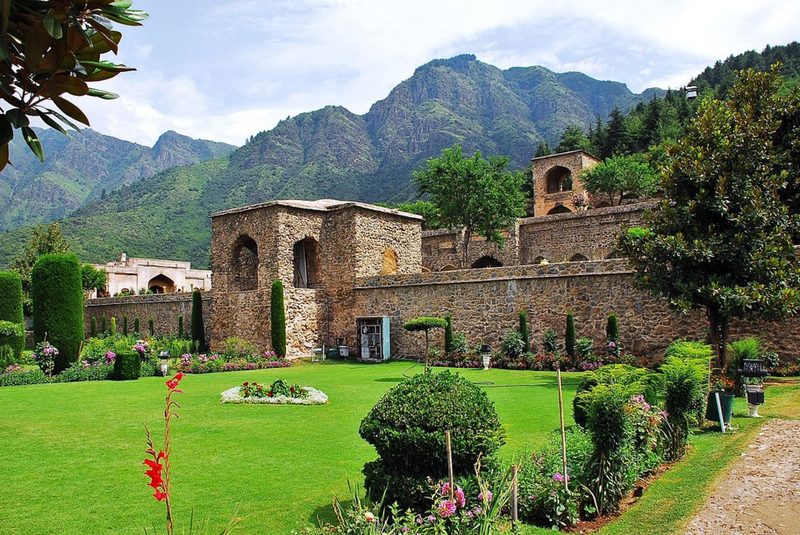
Srinagar lies in the Kashmir Valley at an elevation of 1,589 metres above sea level. The city sits along the Jhelum River and on the shores of Dal Lake and Anchar Lakes, positioned between the Hari Parbat and Shankaracharya hills. The valley setting, surrounded by the Himalayan highlands, creates a distinctive geography that has historically made the region culturally and economically significant within the northern Indian subcontinent.
The city serves as the district capital and summer capital of Jammu and Kashmir, reflecting its role as a regional administrative and political centre. Its location on Dal Lake and its architectural heritage have historically supported tourism and trade. The water systems and landscape have shaped settlement patterns and local economy for centuries.
Daily Life and Local Context
Srinagar has a population of approximately 1.2 million residents. The city is known for traditional Kashmiri handicrafts, including shawl weaving, papier-mâché work, wood carving, carpet production, and jewel making. Dried fruits are also associated with the region's trade. Tourism has been a significant economic sector historically, though current conditions restrict visitor access substantially.
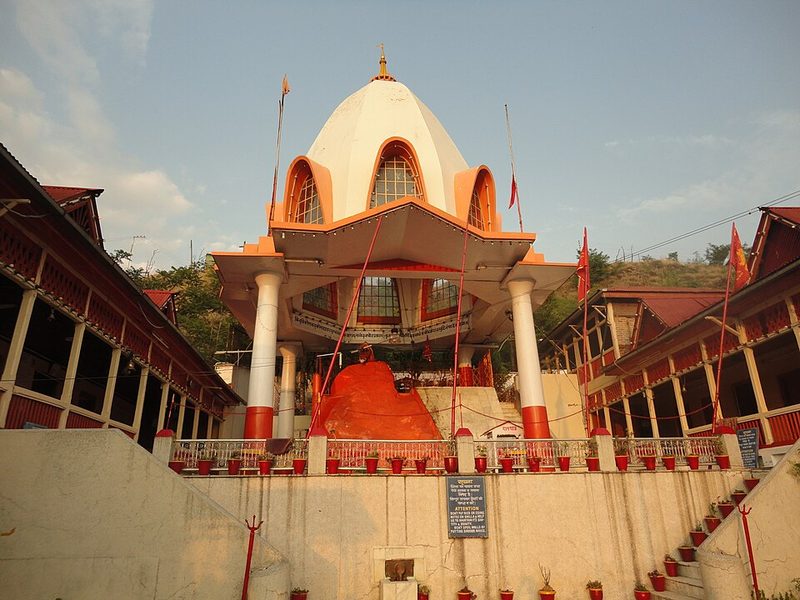
The city includes places of worship reflecting its multi-religious heritage and has maintained performing arts traditions as part of its cultural landscape. Houseboats on Dal Lake have been a distinctive feature of settlement and visitor accommodation. Local transport has included shikara (traditional wooden boats) and gondolas for water transit, though current operating conditions are unclear.
Practical Notes
Persons currently in Srinagar should monitor official advisories from their own government. Those considering any travel to Jammu and Kashmir should consult current guidance from the FCDO, US State Department, or their own national authorities before making any arrangements. Security conditions, curfew status, and movement restrictions change regularly and should be verified through official channels and, where possible, direct contact with persons on the ground.