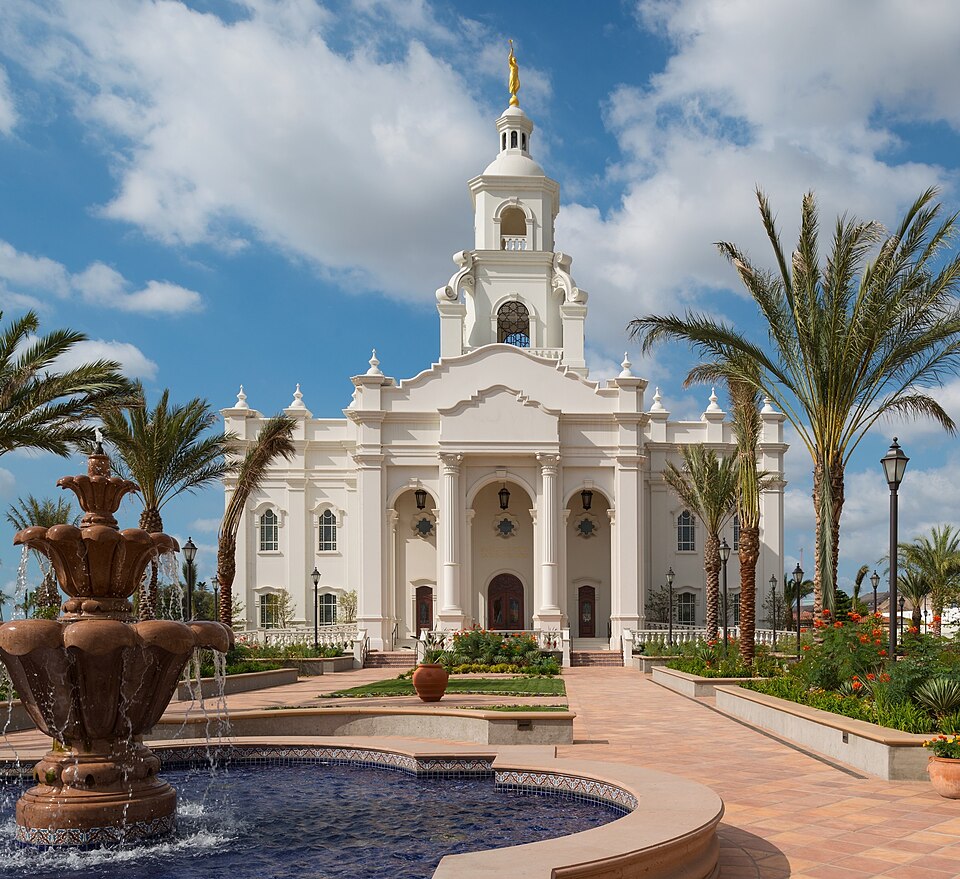
Image: Wikipedia / Wikimedia Commons
Image: Wikipedia / Wikimedia Commons
Tijuana is a vibrant and complex metropolitan hub that has become far more than its reputation as a border crossing might suggest. As the most populous city in Mexico's northwestern region and a crucial gateway between two nations, Tijuana pulses with cultural energy, commercial activity, and the distinctive character that comes from living at the intersection of two countries. This dynamic city invites visitors and residents alike to experience a place of genuine character, where Mexican culture flourishes alongside the constant awareness of proximity to the United States.
Tijuana sits at coordinates 32.5027 North, 117.00371 West, positioned at just 97 meters above sea level on Mexico's northwestern Pacific Coast. The city's location makes it geographically and economically significant: it anchors the San Diego-Tijuana metropolitan area, one of the most important urban corridors in North America. To the north lies the international boundary with California; to the west, the Pacific Ocean provides a natural maritime border; and to the east and south, the landscape opens toward the rest of Baja California and mainland Mexico.
The surrounding terrain features coastal bluffs, canyon systems, and desert vegetation typical of the Baja California peninsula. The city itself spreads across various elevations and neighborhoods, from the dense downtown core near the border to newer developments extending southward. This geographic position has historically made Tijuana a natural commercial crossroads, a role that continues to define its economy and character today.
Tijuana's modern history as an incorporated city dates to the late nineteenth century, when the area began transforming from a remote ranching region into an urban center. The city's development accelerated significantly in the twentieth century, driven largely by its strategic location along the international border. This history has created a unique cultural identity that blends Mexican traditions with the influence of proximity to the United States.
The city has continuously reinvented itself as economic conditions and bilateral relations have evolved. Today, Tijuana is recognized as a center of Mexican innovation, culture, and commerce. While the border crossing remains economically important, the city has developed substantial industries beyond tourism and trade, including manufacturing, technology sectors, and creative industries. This economic diversity has helped establish Tijuana as more than a simple transit point—it is a destination and home to nearly two million people.
Tijuana offers visitors and residents access to diverse natural and cultural attractions. The coastal areas provide access to Pacific beaches and seaside recreation, with dramatic cliff formations and tide pools characteristic of the California Pacific Coast extending into Mexican territory. Hiking and nature exploration opportunities exist in the canyons and desert landscapes surrounding the metropolitan area, where visitors can experience Baja California's distinctive ecology.
Cultural life centers on museums, galleries, theaters, and performance venues that showcase Mexican and contemporary art. The city's neighborhoods each carry distinct characteristics—some areas feature colonial architecture and historic plazas, while others display modern commercial and residential development. Street art has become increasingly visible throughout the city, with murals and graffiti art reflecting local creativity and social commentary. Markets and commercial districts offer authentic shopping experiences, from mercados selling fresh produce and traditional goods to modern shopping areas. For those interested in food, Tijuana's culinary scene reflects the city's position as a crossroads, featuring regional Baja California cuisine alongside international influences.
Tijuana is accessible via the major highway connections linking it to San Diego and the rest of California to the north, and to Ensenada and southern Baja California to the south. The city's international airport offers flights connecting to major Mexican cities and some international destinations. Public transportation within the city includes buses and taxi services, though many visitors and residents rely on personal vehicles given the sprawling nature of the metropolitan area. The pedestrian border crossing remains heavily used, connecting directly to San Diego for those traveling on foot or via public transit.
Home to approximately 1,922,523 people, Tijuana ranks as Mexico's most populous city in the northern region and a major economic center for the entire state of Baja California. The local economy encompasses manufacturing, international trade, tourism, retail commerce, technology and innovation sectors, and creative industries. The city's location on the border shapes daily life in countless ways—many residents cross northward for work, commerce, and family connections, while others work in industries serving the border crossing itself. The maquila (manufacturing) sector historically employed many residents, though the economy has diversified considerably. Spanish is the primary language, though English is widely spoken in commercial and border areas. The population is young and dynamic, with migration from throughout Mexico and beyond creating a cosmopolitan atmosphere despite Tijuana's reputation in some quarters as primarily a border town.
Tijuana sits at an elevation of 97 meters above sea level and operates on the America/Tijuana timezone, which observes Pacific Time. The city experiences a Mediterranean climate with mild winters and warm, dry summers. Visitors should carry valid travel documents, as the international border crossing requires appropriate identification. Spanish is the official language, though English is understood in many tourist and commercial areas. The city offers modern telecommunications, banking services, and infrastructure comparable to other major Mexican metropolitan areas.
View larger map — © OpenStreetMap contributors
Flight delayed or cancelled?
You could be owed up to €600 compensation. Check your eligibility for free.Do you know Tijuana, Baja California?
Share local tips, recommend a hotel, list a business or add a photo.
✏️ Share your knowledge about Tijuana, Baja CaliforniaDo you know Tijuana, Baja California?
Share local tips, recommend a hotel, list a business or add a photo.
✏️ Share your knowledge about Tijuana, Baja California