In This Guide
Read the guide as a story
Night Walk in Wichita: The Ring of Fire and Old Cowtown's Ghosts
Wichita, Kansas
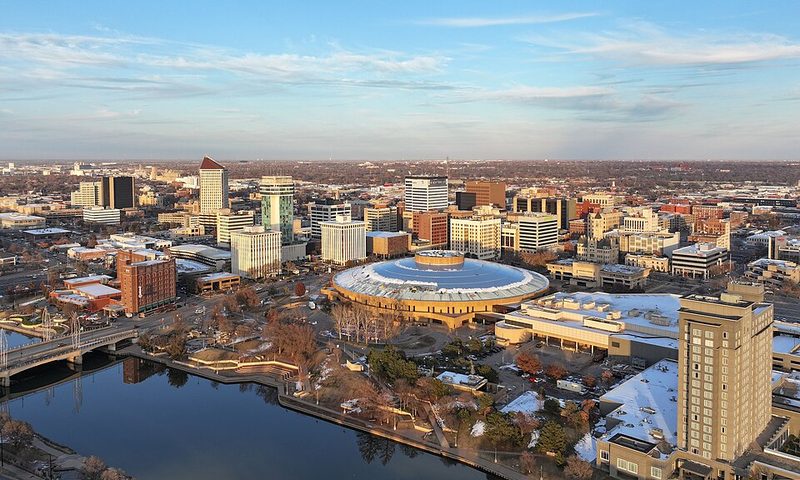
Wichita sneaks up on you. You expect flat prairie and a forgettable grid, and instead you find a city built at the meeting of two rivers, with a skyline that catches the light over the Arkansas and a downtown that hums with more history, aviation heritage and genuine local pride than most cities twice its size.
First Impressions and Setting
Wichita sits in south-central Kansas at the confluence of the Big and Little Arkansas rivers, and that geography shapes everything about how the city feels. The rivers are not incidental backdrops — they run through the heart of the city and anchor its most visited public spaces. Downtown is compact and walkable, and the riverfront gives it a character that pure prairie cities rarely possess. At roughly 396,000 people in the city proper and 647,000 in the wider metropolitan area, Wichita is the largest city in Kansas by a comfortable margin, though it carries that distinction without much visible pretension. Visitors often remark on how approachable it is: wide streets, friendly locals and a downtown that rewards an afternoon on foot.
History and Identity
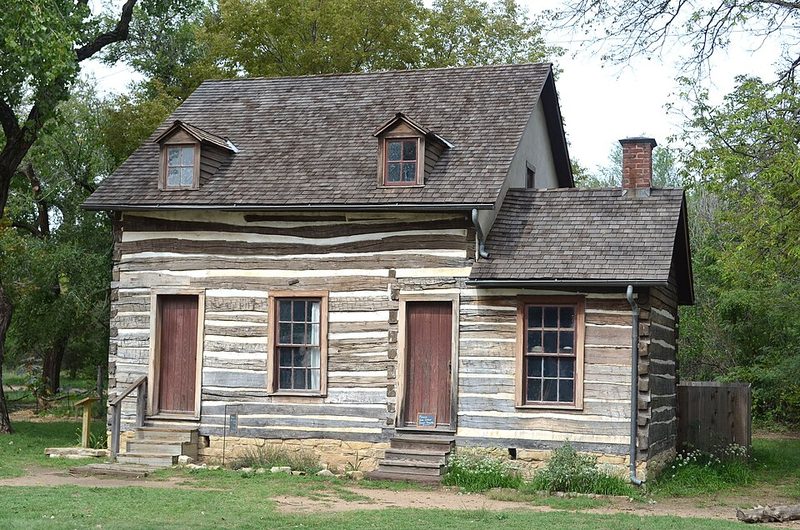
Wichita grew into a significant settlement in the 1870s when the cattle drives from Texas met the railroad in the 1870s, making it one of the most animated cow towns on the Great Plains. The Atchison, Topeka and Santa Fe Railway was central to that transformation, connecting the city to broader markets and driving its early commercial growth. That era is kept vividly alive at Old Cowtown Museum, a 23-acre living history site with 54 historic and reconstructed buildings presenting the city as it looked during the 1870s cattle-drive period. It is one of the more honest and immersive glimpses into frontier-era Kansas available anywhere in the region.
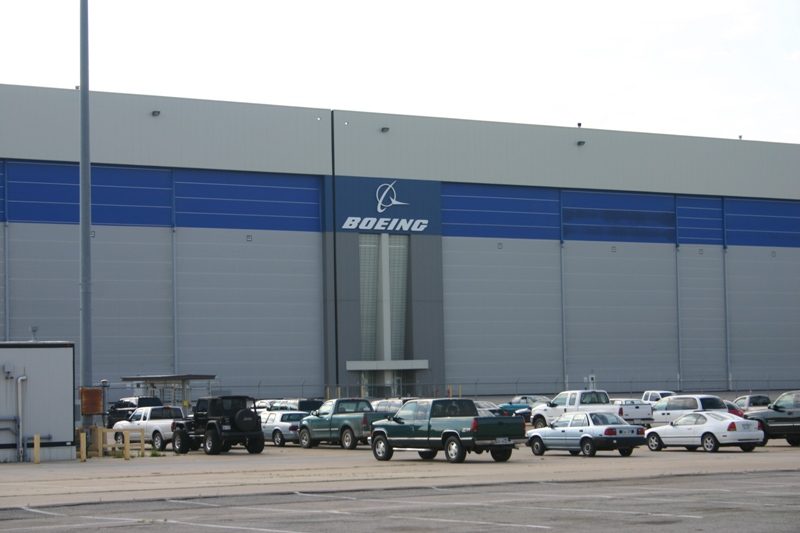
The city's other great identity is aviation. Wichita earned the title Air Capital of the World through decades of aircraft manufacturing, and the Boeing plant here assembled B-29 bombers during the Second World War. The fully restored B-29 known as Doc, one of only two airworthy examples in the world, is based in Wichita and represents a remarkable piece of living aviation heritage. Figures such as Charles Lindbergh and Amelia Earhart are part of the broader story of American aviation that the city's museums and heritage sites connect to. The Kansas Aviation Museum, housed in the original Wichita Municipal Airport terminal building of 1935, chronicles the growth of general aviation in Kansas with a focus on the city's own industry. Visitors can enter many of the exhibition aircraft, which is unusual among museums of this type. The museum is located at 3350 South George Washington Boulevard, adjacent to McConnell Air Force Base, and is open most days except Thursday.
There is also a quieter, stranger piece of Wichita's commercial history: the original Pizza Hut was opened here in 1958 by brothers Dan and Frank Carney. The small building has been preserved and relocated to the Wichita State University campus, where The Original Pizza Hut Museum commemorates the founding of the chain.
The Keeper of the Plains
Residents take genuine pride in the Keeper of the Plains, a 44-foot steel sculpture created by Blackbear Bosin that stands at the confluence of the Big and Little Arkansas rivers. Each evening the Ring of Fire — a circle of flames surrounding the sculpture's base — is lit for fifteen minutes. According to the City of Wichita, during daylight saving time the burn runs from 9:00 to 9:15 pm, and during standard time from 7:00 to 7:15 pm. The display is manually operated and may be cancelled for high winds, rain, high river levels or other public safety reasons, so it is worth checking locally before making a special trip. The sculpture and its setting are free to visit.
Parks, Rivers and Walks
Central Riverside Park, one of the older parks in the city, sits close to the Little Arkansas River and offers calm, green walking territory not far from downtown. The Botanica Wichita gardens are another green draw, featuring more than 30 themed gardens with over 4,000 plant varieties; check the current schedule before visiting as seasonal programming varies. The riverfront area more broadly provides a natural route for walkers and those who want to take the city at a slower pace. The Arkansas River runs through Wichita and adds scenic walks, bridges and river access points throughout the urban core. Spring and autumn tend to be the most pleasant seasons for walking the riverfront and exploring the parks; summers are warm and thunderstorm-prone, while winters can bring cold, snow and ice that affect walking conditions and access.
Museums and Cultural Life
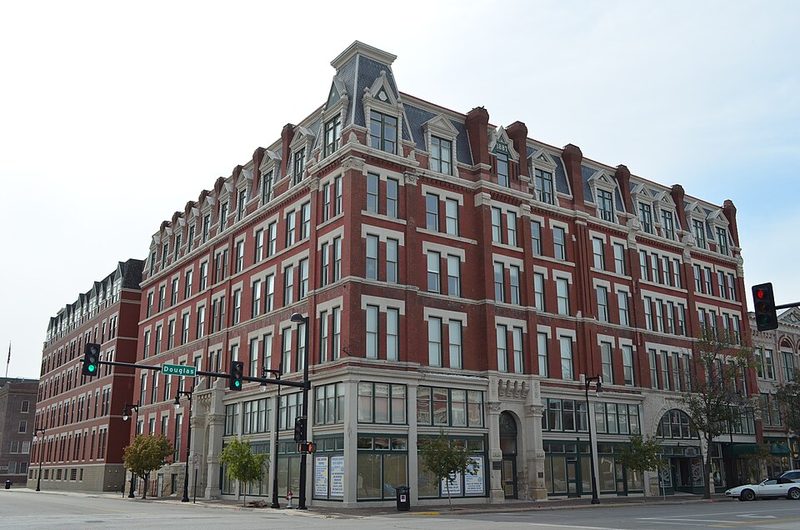
The Mid-America All-Indian Center, near the Keeper of the Plains, provides cultural and historical context for the Indigenous peoples of the region. The Kansas African American Museum documents the contributions and experiences of Black Kansans and is worth significant time. The Wichita Art Museum adds fine arts to a cultural offer that extends well beyond heritage tourism. Architecturally, Wichita has interesting heritage buildings scattered through downtown and surrounding neighbourhoods, including landmark churches such as Saint Mary's Cathedral and First Christian Church.
The Tallgrass Film Festival brings independent cinema to the city each year and is recognised as one of the stronger film festivals in the United States. Visit Wichita lists it among the city's flagship annual events; check current dates and venues with the festival directly, as scheduling varies year to year.
Getting There and Around
Wichita Dwight D. Eisenhower National Airport (ICT) is the main point of arrival for visitors flying in, serving domestic connections and regional routes. Downtown is approximately a ten-minute drive from the airport. The city is set along major highway corridors, making it accessible by road from Kansas City, Oklahoma City and beyond. Greyhound and FlixBus serve intercity coach routes connecting Wichita to Kansas City, Oklahoma City and Dallas/Fort Worth, among other destinations; check current schedules directly with operators as timetables change.
Wichita Transit operates 17 fixed-route bus lines across the city. All regular buses carry free Wi-Fi and bike racks. The myStop app shows routes and live bus locations; the Ride Wichita app allows fare payment by phone. Route maps and schedules are published on the City of Wichita website at wichita.gov. Wichita has no Amtrak rail service; the nearest Amtrak station is Newton, Kansas, approximately 25 miles north. There are no tram, metro or ferry services. Most visitors find a car or ride-share the most practical option for reaching attractions spread across the city's footprint, though the riverfront and downtown area are walkable once you are based there.
Practical Notes
Wichita operates on Central Time. Those planning a Ring of Fire visit should account for the seasonal shift between the 9:00 pm summer burn and the 7:00 pm winter one. The UK Foreign, Commonwealth and Development Office rates travel to the United States at Level 1 — normal precautions apply, with no specific warnings in place for Wichita or Kansas.
Visitors travelling with children will find the city well set up for families: the riverfront, Old Cowtown Museum and the Kansas Aviation Museum all work well for shorter attention spans and mixed ages. Peak periods bring more visitors and some parking pressure, particularly around downtown and riverside attractions; planning around quieter mid-week periods can reduce friction.
Kansas Aviation Museum
The Kansas Aviation Museum is housed in Wichita's original 1935 airport terminal and documents the city's claim to the title Air Capital of the World. Visitors can board many of the exhibition aircraft — an unusual permission — and see active restoration projects alongside an archive of thousands of photographs, schematics and records. The museum is located at 3350 South George Washington Boulevard, adjacent to McConnell Air Force Base, and is open most days except Thursday. Check current hours and admission at kansasaviationmuseum.org.
Read the full Kansas Aviation Museum guide
Sources: Kansas Aviation Museum - U.S. National Park Service • Kansas Aviation Museum - Wikipedia • Kansas Aviation Museum - official site • Kansas Aviation Museum - Visit Wichita
Old Cowtown Museum
Old Cowtown Museum is a 23-acre outdoor living history site on the Arkansas River presenting Wichita during the 1870s cattle-drive era. Its 54 historic and reconstructed buildings and costumed interpreters offer one of the more immersive looks at frontier Kansas available anywhere in the region. The site is run by the City of Wichita; check current hours and seasonal programming at wichita.gov.
Read the full Old Cowtown Museum guide
Sources: Old Cowtown Museum - City of Wichita • Old Cowtown Museum - Wikipedia
Tallgrass Film Festival
Tallgrass Film Festival, Wichita
The Tallgrass Film Festival is an annual independent cinema event held in Wichita, recognised by Visit Wichita as one of the top film festivals in the United States. It is run by the Tallgrass Film Association and takes place each autumn, typically in October, in downtown Wichita venues. The festival screens independent features, shorts and documentaries and includes filmmaker Q&As and industry events alongside public screenings.
For visitors, the festival represents a significant window into Wichita's broader cultural life — one that sits alongside the city's aviation and frontier heritage rather than simply reflecting it. Autumn timing also coincides with one of the more pleasant seasons for visiting the city, when the riverfront and parks are at their most comfortable for walking.
Specific dates, venues and ticket information vary each year. The official source for current programming is tallgrassfilm.org; Visit Wichita also lists the festival in its annual events calendar at visitwichita.com.
Sources: Tallgrass Film Association - official site • Tallgrass Film Festival - Wikipedia • Annual Events and Festivals in Wichita - Visit Wichita
Getting around Wichita without a car
Getting Around Wichita
Wichita is primarily a car-oriented city, and a hire car or ride-share remains the most practical option for reaching attractions spread across its footprint. That said, visitors who prefer not to drive have workable alternatives, particularly for the downtown and riverfront area.
Wichita Transit operates 17 fixed-route bus lines. All buses carry free Wi-Fi and bike racks. Two apps are useful for planning: the myStop app (bus.wichitatransit.org) shows routes and live bus locations; the Ride Wichita app allows fare payment by phone. Route maps and schedules are published by the City of Wichita at wichita.gov/1460/MapsSchedules. The transit centre in downtown Wichita acts as the main interchange point for the network.
Wichita Dwight D. Eisenhower National Airport (ICT) is approximately ten minutes by road from downtown. A Wichita Transit bus route is understood to serve the airport corridor, but the specific service number and calling points are not confirmed in current source cards; check the official route maps before relying on this connection.
There is no Amtrak rail service in Wichita. The nearest Amtrak station is Newton, Kansas, roughly 25 miles north of the city. Greyhound and FlixBus operate intercity coach services connecting Wichita to Kansas City, Oklahoma City and Dallas/Fort Worth; check current schedules and booking directly with operators.
Wichita has no tram, metro or ferry services. Walking is practical within downtown and along the riverfront corridor, but most outlying attractions — including Old Cowtown Museum, the Kansas Aviation Museum and McConnell Air Force Base area — are easier by car or ride-share.
Sources: Wichita Transit - City of Wichita • Maps and Schedules - Wichita Transit • Wichita Transit - Wikipedia • myStop - Wichita Transit • Wichita Private and Public Transportation - Visit Wichita